How the Ratio Is Actually Calculated
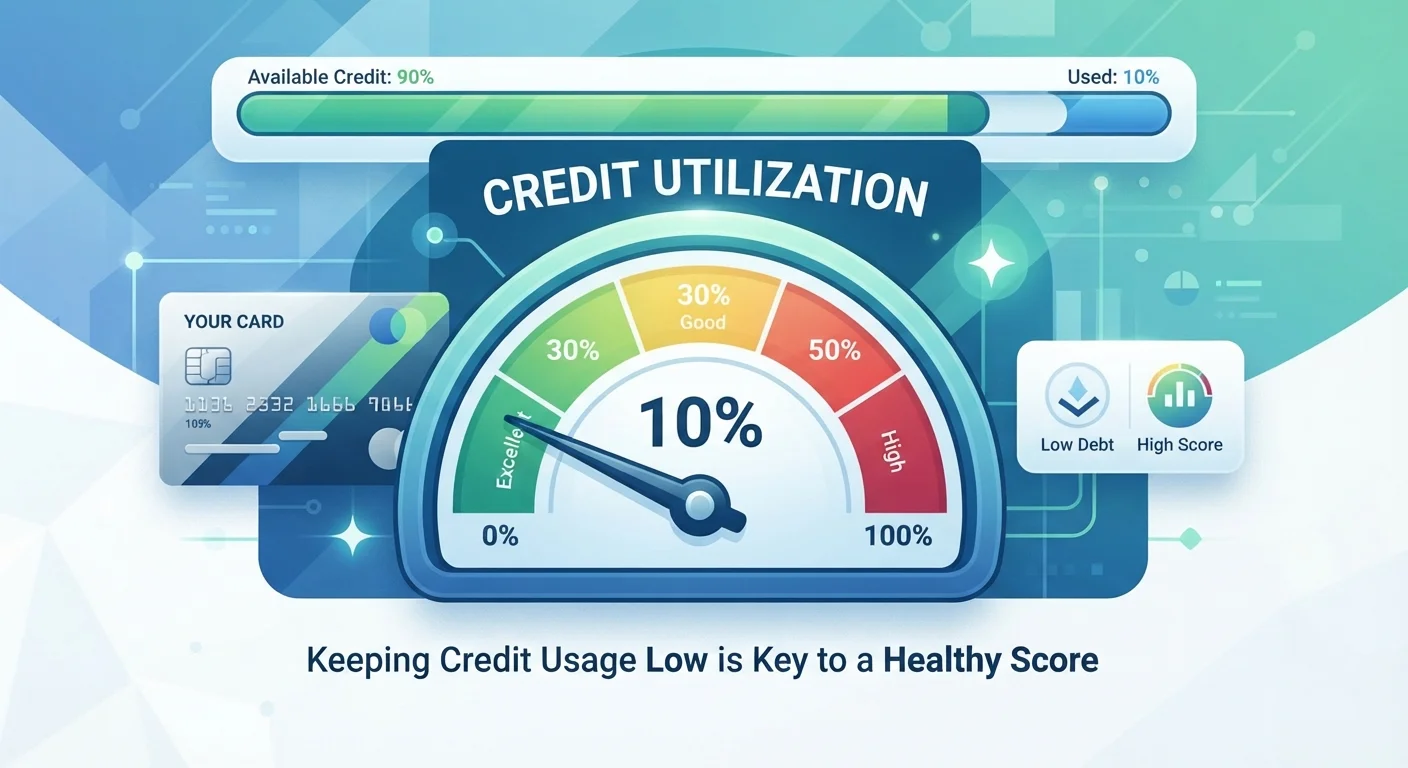
Credit utilization sounds technical, but the math is straightforward. Take the balance you owe on a revolving account, divide it by that account's credit limit, and multiply by 100 to get a percentage. Do the same calculation using all your revolving balances combined over all your combined limits, and you have your aggregate utilization.
Here's a simple example:
- Card A: $800 balance, $2,000 limit = 40% utilization on that card
- Card B: $200 balance, $3,000 limit = 6.7% utilization on that card
- Combined: $1,000 balance, $5,000 total limit = 20% aggregate utilization
Notice that Card A reads high individually even though the combined picture looks moderate. Scoring models penalize high per-card utilization separately from aggregate utilization - so spreading balances across cards, rather than concentrating them on one, generally produces a better outcome.
As part of a broader look at how scoring factors interact, see how utilization compares to other scoring factors.
~30%
Weight of 'amounts owed' in FICO score
According to FICO's publicly disclosed scoring breakdown, credit utilization is the core component of the amounts-owed category, which accounts for approximately 30% of a FICO score.
<10%
Utilization common among highest scorers
Consumer credit data consistently shows that individuals with scores in the 800+ range tend to report very low utilization, often in single-digit percentages, across their revolving accounts.
30%
Widely cited utilization guideline threshold
Most mainstream credit education resources, including those from major credit bureaus, cite staying below 30% utilization as a general benchmark for maintaining a healthy credit profile.
Why Timing Matters More Than You Might Think
Many people believe that paying their balance before the due date is all that's needed to keep utilization low. This is a common misunderstanding. Credit card issuers typically report your balance to the credit bureaus around your statement closing date - which is usually a week or two before the payment due date.
If you charge $1,800 on a card with a $2,000 limit and then pay the full amount by the due date, your issuer may have already reported the $1,800 balance. From the scoring model's perspective, your utilization on that card was 90% for that cycle.
To manage reported utilization intentionally:
- Find out your statement closing date (usually visible in your online account).
- Make payments or pay down significant charges before that date.
- The lower balance gets reported, which is what scoring models see.
This approach takes a few minutes of planning but can meaningfully affect the number reported to bureaus each month. For habits that support this kind of proactive management, responsible borrowing habits worth building early offers a practical framework.
Pay Before Your Statement Closes
If you want to lower your reported utilization, target the statement closing date - not just the payment due date. Most issuers display both dates in your online account or monthly statement. Making a payment a few days before the closing date ensures a lower balance gets sent to the credit bureaus that cycle.
What Utilization Signals to Lenders - and What It Doesn't
Credit utilization is part of the "amounts owed" category in FICO scoring, which carries roughly 30% weight in the score calculation. It's not a measure of whether you pay on time - that's handled by payment history. Instead, utilization reflects how much of your available credit capacity you're drawing on at a given moment.
High utilization can signal financial stress or heavy reliance on credit, which increases perceived lending risk. Low utilization suggests you're not leaning hard on borrowed money to cover everyday expenses. Neither high nor low utilization tells a lender everything - context from your full credit profile matters - but the ratio is a quick, consistent signal that's easy for models to evaluate.
Importantly, utilization has no long-term memory in standard scoring models. Unlike a late payment, which can affect your score for years, a high utilization this month doesn't follow you once the balance drops. That makes it one of the most correctable aspects of a credit profile.
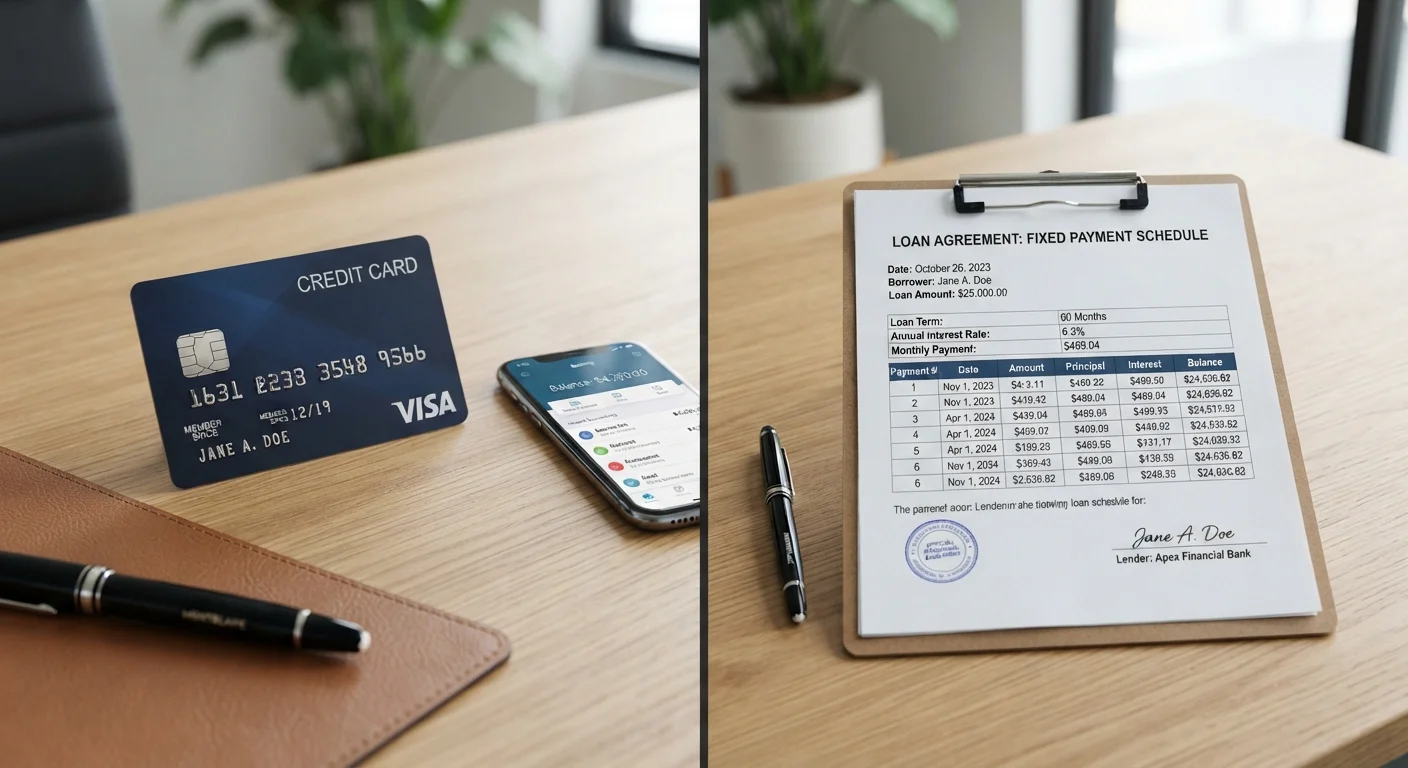
Utilization only applies to revolving credit. If you're curious about how installment debt like auto loans fits into the picture, see how revolving and installment accounts are treated differently by lenders and scoring models.
For a complete picture of what your credit score is measuring overall, Credit Scores Decoded walks through how scores are built from the ground up.
This article is for general informational purposes only and does not constitute personalized financial or credit advice. Consult a qualified financial professional for guidance specific to your situation.