
What Makes These Two Credit Types Fundamentally Different
At its core, the difference comes down to structure. Revolving credit gives you a credit limit you can borrow against, repay, and borrow again - repeatedly. Credit cards are the most common example. Your balance changes month to month, and you're not locked into a fixed payment or a set end date.
Installment loans work the opposite way. You borrow a fixed sum, then repay it in equal scheduled payments - typically monthly - over a defined term. Personal loans, auto loans, and mortgages all follow this model. Once you've paid off the loan, the account closes.
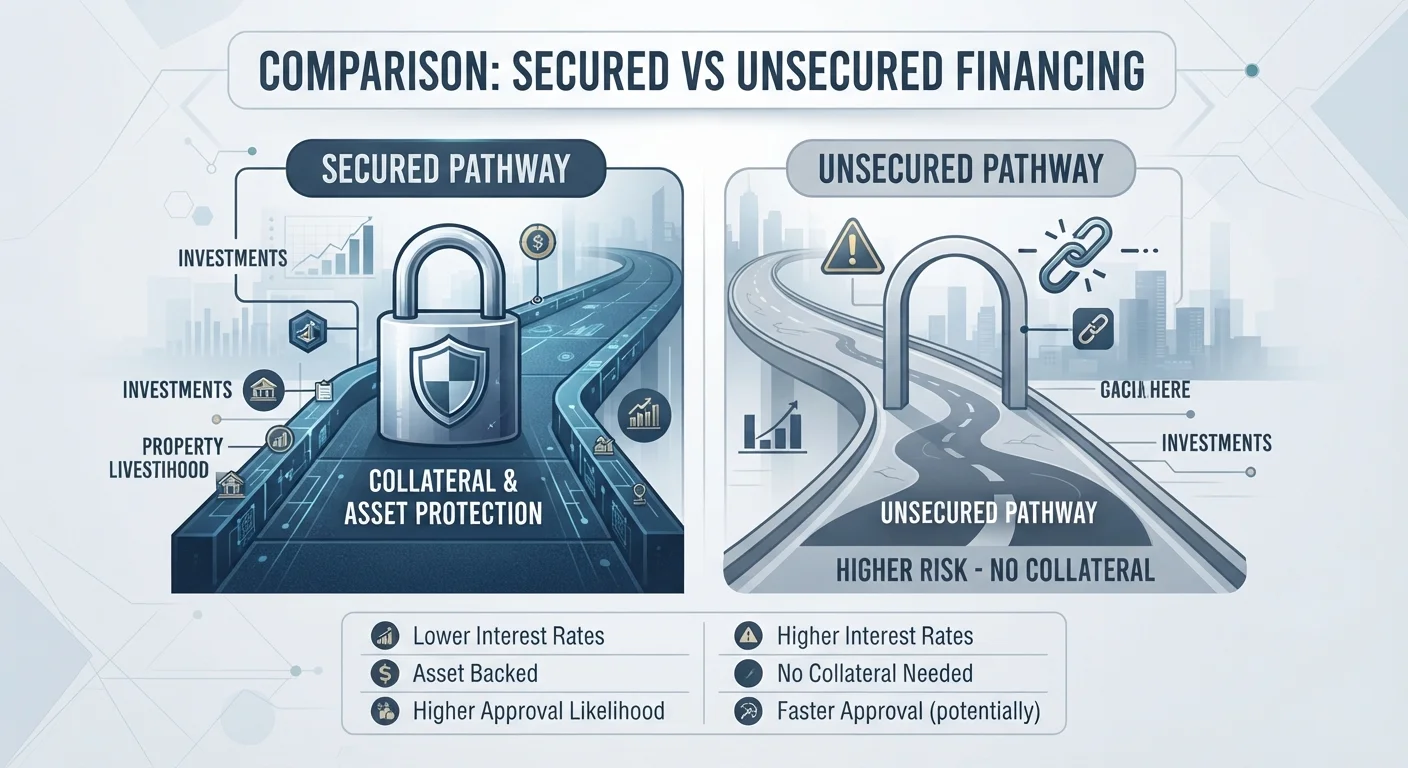
These structural differences are exactly why lenders and credit scoring models don't evaluate them the same way. Each type signals something different about how you manage borrowed money. To understand how each affects your broader debt picture, it also helps to know the distinction between secured and unsecured debt, since that classification cuts across both categories.
| Criterion | Revolving Credit | Installment Loans |
|---|---|---|
| Structure | Flexible, reusable credit limit | Fixed loan amount, set term |
| Payment amount | Variable (minimum or more) | Fixed monthly payment |
| Account end date | Open-ended (stays open) | Closed when fully repaid |
| Primary scoring impact | Credit utilization ratio | Payment history consistency |
| Balance reporting | Current balance reported monthly | Remaining principal reported monthly |
| Common examples | Credit cards, HELOCs | Auto loans, mortgages, personal loans |
| Score risk if balance is high | High - utilization rises | Lower - utilization not a factor |
How Each Type Is Weighted in Credit Scoring
Credit scoring models like FICO and VantageScore analyze your credit report across several categories. Revolving credit and installment loans each influence these categories - but in different proportions and through different mechanisms.
Revolving Credit and Utilization
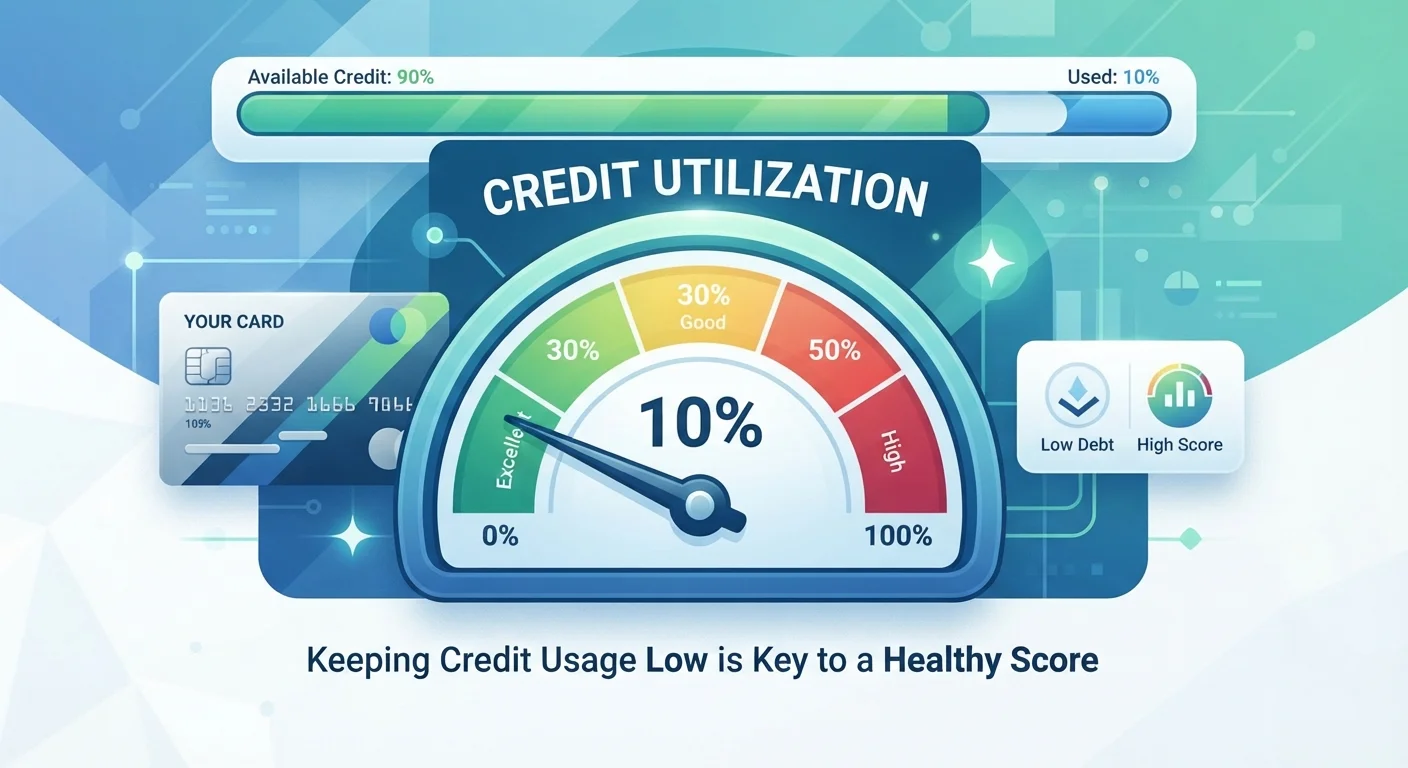
The most significant scoring factor tied to revolving accounts is credit utilization - the percentage of your available revolving credit you're currently using. This ratio is calculated both per card and across all your revolving accounts combined. Keeping utilization low (generally below 30%, though lower is typically better) is a meaningful driver of score strength. Our article on credit utilization and how it shapes your score explains the mechanics in detail, including why the timing of your payments matters.
Crucially, carrying a high revolving balance can depress your score even if you never miss a payment - something that surprises many borrowers.
Installment Loans and Payment History
Installment loans don't carry a utilization metric the same way. Instead, they primarily contribute to your payment history - the largest single factor in most scoring models - and to the length and diversity of your credit history. Every on-time installment payment is a data point in your favor. Missing one, however, creates a derogatory mark that can linger on your report for years.
~35%
Payment history weight in FICO scoring
According to FICO's published score factor breakdown, payment history is the single largest component of a standard FICO score.
~30%
Amounts owed (including utilization) weight in FICO scoring
FICO's published methodology indicates that amounts owed - heavily influenced by revolving credit utilization - is the second largest scoring factor.
~10%
Credit mix contribution to FICO score
FICO's score factor breakdown attributes roughly 10% of a score to the variety of credit account types a borrower maintains.
When lenders review your file for a new loan - say, an auto loan - they look at both your score and the detail beneath it. Your credit score directly shapes the loan terms you're offered, including the interest rate and down payment requirements.
Credit Mix and Why Lenders Care About Both
Credit mix - having a variety of account types - accounts for roughly 10% of a standard FICO score. While that percentage sounds small, it can be the difference between a good and an excellent score when all other factors are similar.
Lenders want to see evidence that you can responsibly manage different kinds of obligations. Someone who has only ever used credit cards hasn't proven they can handle a fixed repayment schedule. Someone with only installment loans hasn't shown they can manage an open-ended revolving line without running it up.
This doesn't mean you need to take on debt you don't need just to diversify your credit mix. It does mean that if you're planning a major purchase that will require financing - such as a car - that installment loan will contribute positively to your credit profile in ways a credit card cannot replicate.
Opening New Accounts Affects Both Types Differently
When you open a new revolving account, your total available credit increases, which can lower your overall utilization - potentially a short-term score benefit. Opening a new installment loan adds to your total debt load but doesn't affect revolving utilization. Both types trigger a hard inquiry, which typically causes a small, temporary score dip. The long-term impact of responsibly managing either account type generally outweighs that initial dip.
It's also worth reviewing common credit myths before making decisions based on assumptions about how scoring works - some widely held beliefs about carrying balances or applying for credit simply don't align with how the models actually function.
Practical Implications When You Apply for New Credit
When you apply for a new loan or line of credit, lenders don't just see your score - they see your full credit report. A lender offering an installment loan (like an auto loan) will pay close attention to your existing installment payment history and any derogatory marks. A credit card issuer will scrutinize your current revolving balances and utilization trends.
If you're shopping for an installment loan, be aware that multiple hard inquiries within a short window are typically treated as a single inquiry for certain loan types. Rate shopping for auto loans without hurting your credit explains this deduplication window and how to use it to your advantage.
Managing both types responsibly - keeping revolving balances well below your limits and making every installment payment on time - gives lenders the clearest possible picture that you're a reliable borrower across different credit structures.
This article is for general informational and educational purposes only and does not constitute personalized financial or credit advice. For guidance specific to your financial situation, consult a qualified financial professional.