The Core Distinction: Collateral vs. Trust
When a lender extends credit, they take on risk. The question is: how is that risk structured? That answer separates secured debt from unsecured debt.
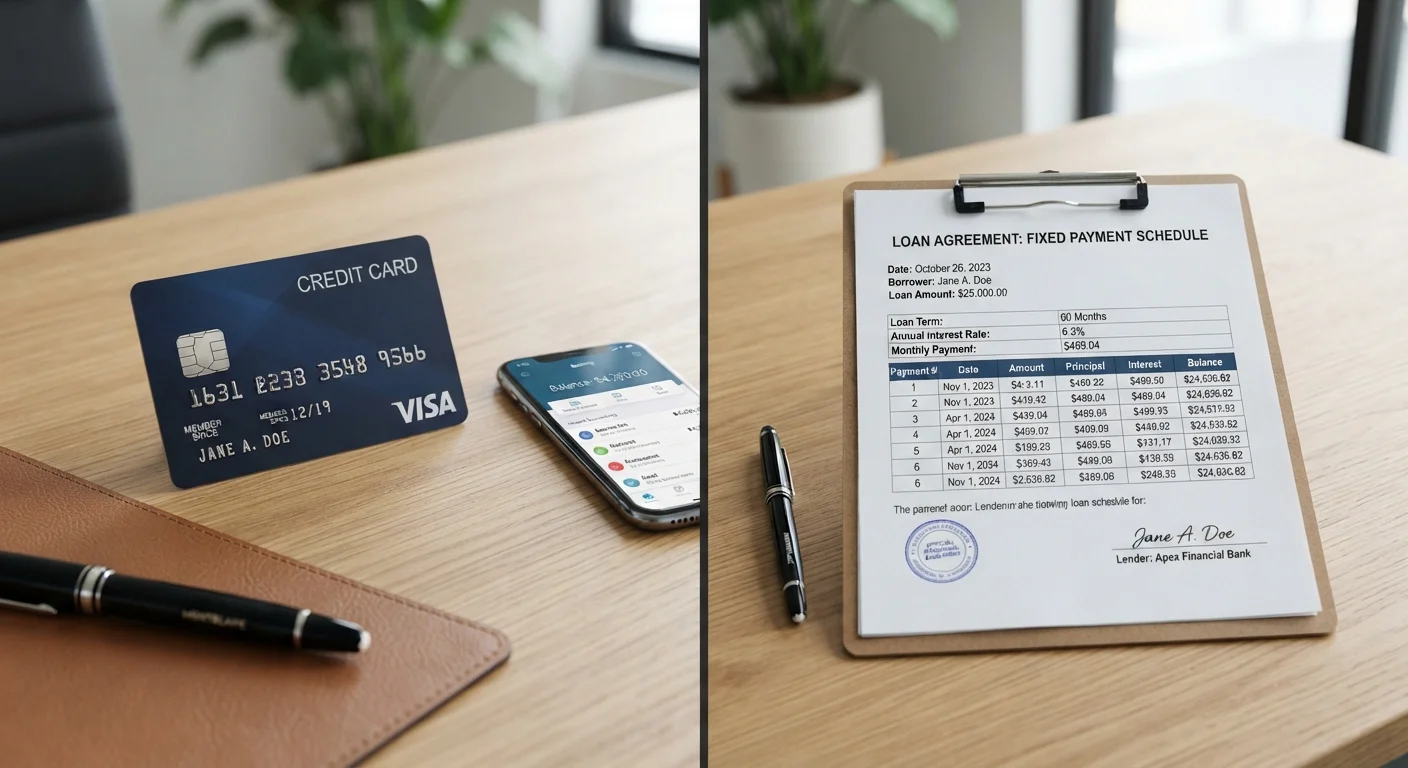
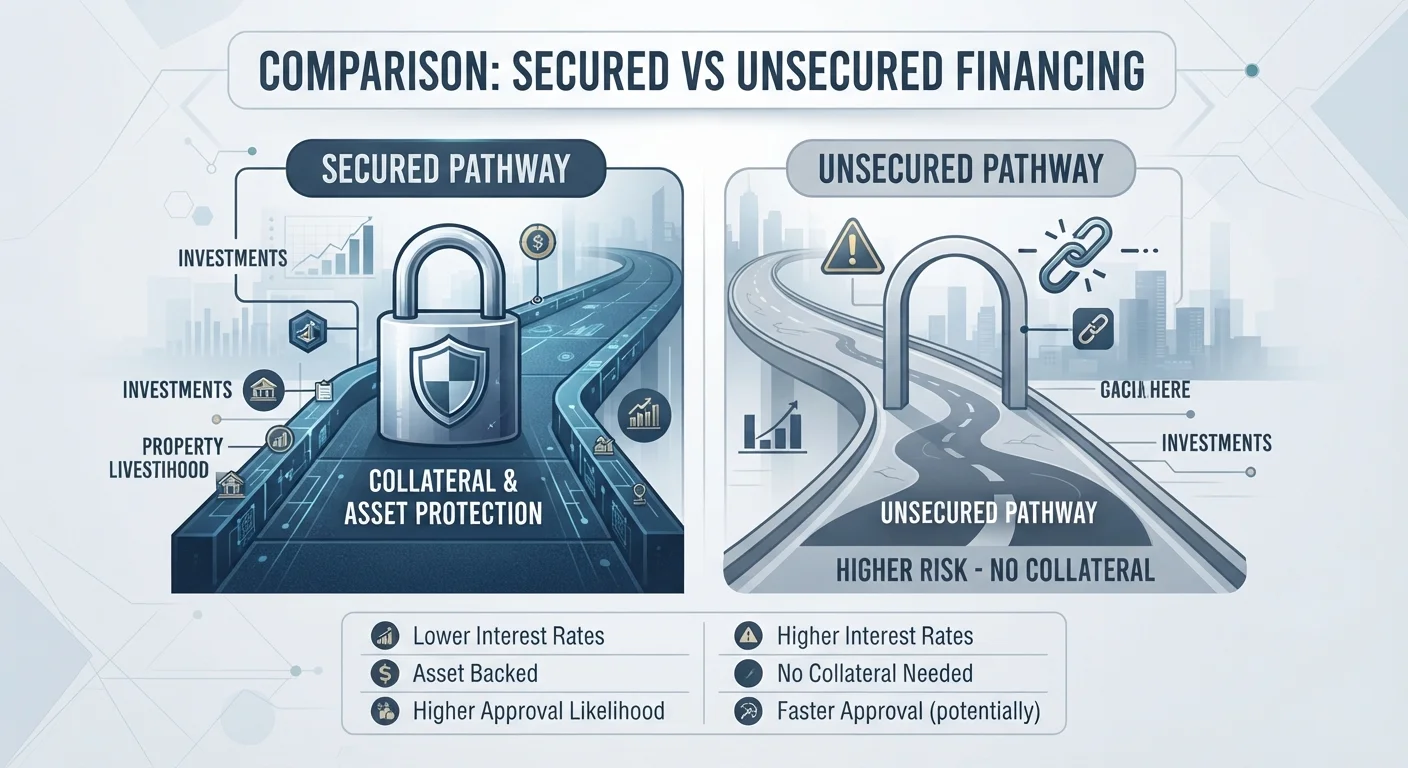
Secured debt is backed by collateral - a specific asset the borrower pledges as a condition of the loan. If payments stop, the lender has a legal right to seize that asset. Mortgages and auto loans are the clearest examples. The home or vehicle itself serves as the lender's guarantee. Unsecured debt, by contrast, is extended on the basis of the borrower's creditworthiness alone. No specific asset is attached. Credit cards, personal loans, medical bills, and student loans (in most cases) fall into this category.
This structural difference has real consequences - not just for the interest rate you're quoted, but for what can happen legally if you fall behind. For a broader look at how debt is categorized, see our end-to-end credit and debt resource.
| Criterion | Secured Debt | Unsecured Debt |
|---|---|---|
| Collateral required | Yes - specific asset pledged | No - based on creditworthiness |
| Common examples | Mortgage, auto loan, HELOC | Credit cards, personal loans, medical bills |
| Typical interest rates | Generally lower | Generally higher |
| Default consequence | Asset repossession or foreclosure | Collections, judgments, wage garnishment |
| Credit score impact of default | Significant negative impact | Significant negative impact |
| Lender's primary recourse | Seize pledged asset | Legal judgment against borrower |
| Accessibility without assets | Limited - asset ownership required | Broader - no asset pledge needed |
What Happens When You Default
Default - missing payments long enough to breach the loan agreement - triggers different responses depending on the debt type.
With secured debt, the lender's primary remedy is the collateral. A mortgage lender can begin foreclosure proceedings; an auto lender can repossess the vehicle. These processes are regulated by state law, but they can move relatively quickly once a borrower is significantly delinquent. In some cases, if the asset sells for less than the outstanding balance, the borrower may still owe a deficiency balance - the remaining gap - which may then be pursued separately.
With unsecured debt, the lender has no asset to claim directly. Instead, they typically sell the debt to a collections agency or pursue a court judgment. A judgment can lead to wage garnishment or bank account levies in many states, which means consequences can still be severe - just different in form. In neither case does default become consequence-free.
7 years
How long a default can stay on your credit report
Under the Fair Credit Reporting Act, most negative items, including late payments and charge-offs, can remain on a consumer's credit file for up to seven years from the date of first delinquency.
~$17T
Total US household debt outstanding
According to the Federal Reserve Bank of New York's Household Debt and Credit Report, total US household debt has exceeded $17 trillion, with mortgage debt making up the largest share of secured obligations.
3-5x
Typical interest rate gap between secured and unsecured products
Unsecured personal loan rates can run several times higher than secured home equity loan rates for the same borrower, reflecting the lender's elevated risk when no collateral is pledged.
Missing payments on either type also damages your credit report. A late payment - typically reported after 30 days - can remain on your credit file for up to seven years, affecting your ability to borrow at favorable terms in the future. See how lenders score revolving and installment debt differently for more on credit reporting mechanics.
Interest Rates, Access, and Trade-Offs
Because secured loans give lenders a fallback, they typically carry lower interest rates than comparable unsecured products. A home equity loan, for instance, will generally cost less in interest than an unsecured personal loan of the same amount. This isn't arbitrary - it reflects the reduced financial exposure the lender accepts when collateral is pledged.
Unsecured debt is more accessible in some ways: you don't need to own property or a vehicle to qualify. But lenders compensate for the added risk with higher rates, stricter credit requirements, or lower borrowing limits. The convenience comes at a cost.
Neither type is inherently harmful. The concern is whether the debt is appropriate for the borrower's situation and whether repayment is realistic. The labels "good" and "bad" applied to debt can obscure more than they reveal - see why those labels often mislead. Before taking on either type, a structured pre-borrowing review can help - walk through our pre-loan checklist to evaluate your readiness honestly.
Bankruptcy Treats These Debt Types Differently
In a Chapter 7 or Chapter 13 bankruptcy, secured and unsecured debts are handled under different rules. Secured creditors generally have priority claim to their collateral, while unsecured debts may be dischargeable under certain circumstances. Bankruptcy law is complex and outcomes vary significantly by individual situation. Always consult a licensed bankruptcy attorney before drawing conclusions about your options.
This article provides general financial education and is not personalized financial, legal, or tax advice. For decisions specific to your situation, consult a licensed financial adviser or attorney.