
Why Running a Pre-Loan Checklist Matters
Borrowing money is one of the most consequential financial decisions most Americans make - yet many people sign loan agreements without fully understanding what they've committed to. A higher interest rate than expected, a fee buried in fine print, or a repayment timeline that doesn't fit the budget can create financial stress that lasts years.
This checklist is designed to slow that process down in a useful way. Working through it before you apply - or at minimum before you sign - helps you confirm that a loan genuinely fits your situation rather than simply satisfies an urgent impulse.
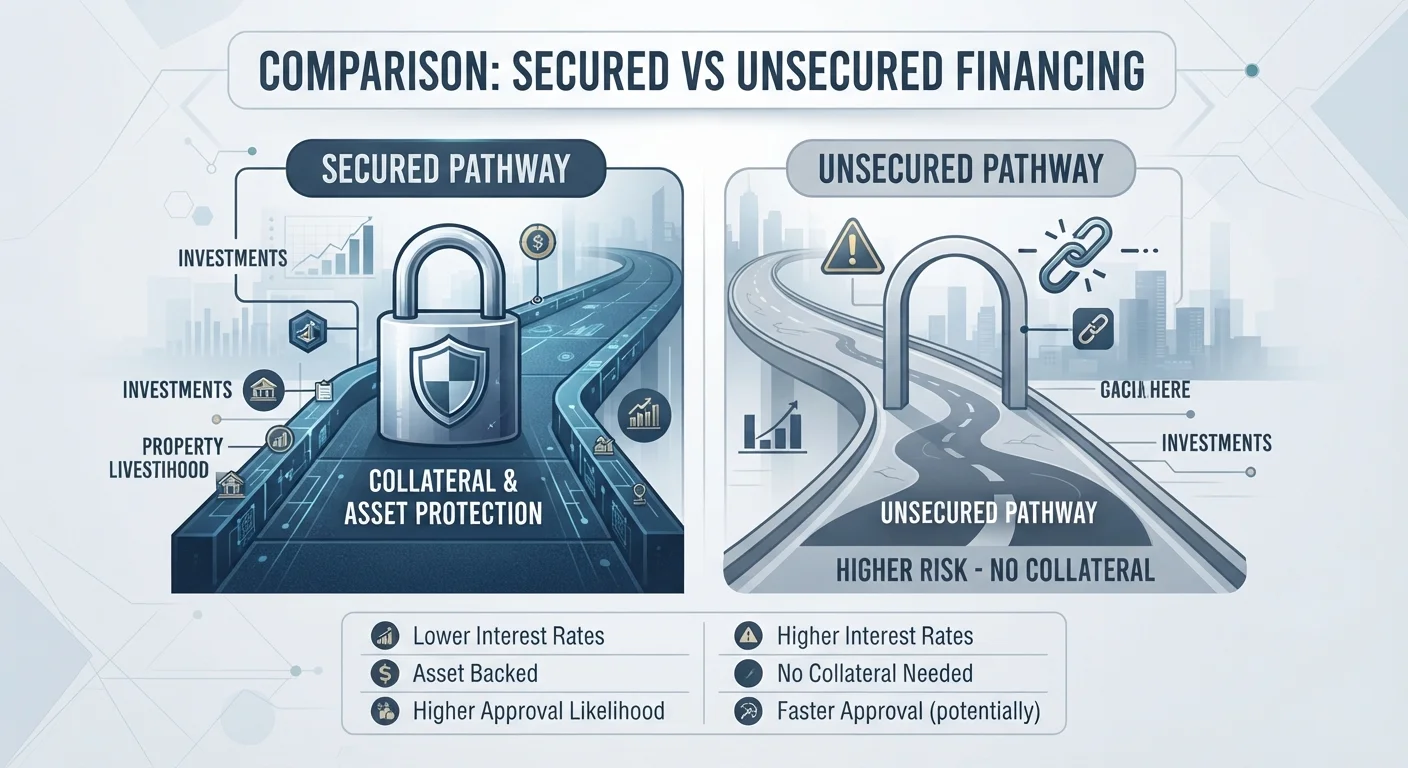
If you're borrowing for a vehicle purchase specifically, the car financing readiness checklist offers parallel guidance tailored to that context. For broader debt decisions, understanding the difference between secured and unsecured debt is a solid starting point.
Income and Financial Stability
Understanding the True Cost
Loan Terms and Fine Print
Exploring Alternatives Before Borrowing
Tools You'll Want Handy
Before working through the checklist, gather a few resources. Having these on hand makes it easier to work through each item accurately rather than estimating.
Recent pay stubs or income statements
Used to calculate your actual monthly income for debt-to-income ratio analysis.
Current monthly budget or expense summary
Helps you assess whether loan payments fit alongside existing obligations.
Free credit report (AnnualCreditReport.com)
Lets you verify your credit profile before lenders pull it, and spot any errors.
Loan comparison spreadsheet or calculator
Allows side-by-side comparison of APR, term length, total cost, and fees across multiple offers.
Loan agreement or disclosure document
The actual document from the lender - required for reviewing prepayment terms, rate type, and fee schedules.
After You've Checked Every Box
Completing this checklist doesn't mean borrowing is automatically the right move - it means you're making a decision with clear eyes. If several items remain unresolved (income is unstable, alternatives haven't been explored, total cost is unclear), that's important signal worth heeding.
Monthly Payment Alone Can Be Misleading
A lower monthly payment often means a longer loan term, which typically results in significantly more interest paid over time. Before accepting an offer based on an affordable monthly figure, calculate the total cost of the loan from start to finish. Extending a loan term by even 12 months can add hundreds of dollars in interest on mid-sized personal loans.
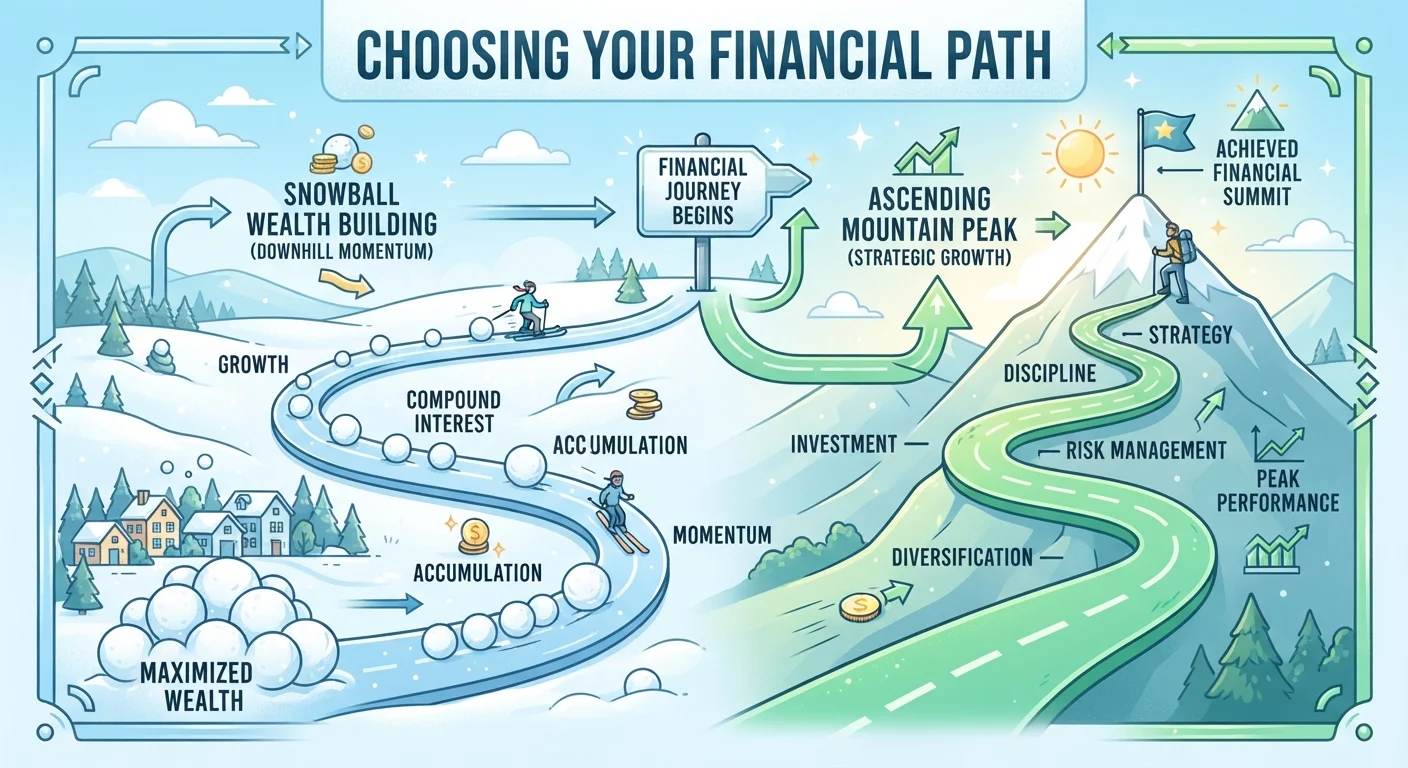
If you do proceed, build in a plan from day one. Know which repayment strategy aligns with your other debts - the avalanche and snowball methods are two widely used frameworks with different trade-offs. And once the loan is active, the habits in responsible borrowing habits worth building early - like automating payments and monitoring your credit utilization - help protect your credit health for the long term.
Finally, if this loan is part of a larger financial picture, consider whether working with a nonprofit credit counselor or a fee-only financial planner makes sense. These professionals can offer objective, personalized guidance that a general checklist cannot.
This article is for general informational and educational purposes only and does not constitute personalized financial, legal, or investment advice. Consult a qualified financial professional for guidance specific to your circumstances.