Where the Good Debt / Bad Debt Framework Comes From
The idea that some debt is inherently "good" and other debt is inherently "bad" has been a staple of personal finance advice for decades. The logic runs like this: debt used to acquire appreciating assets or build earning power is good; debt used for consumption is bad. Mortgages and student loans fall in the first category; credit card balances and car loans in the second.
It's a tidy framework, and it's not entirely wrong. But it flattens important nuance in ways that can mislead borrowers - especially those navigating real financial pressure. The label on the debt tells you less than the cost of the debt, the stability of your income, and whether you can realistically service what you owe.
This article examines the most common myths embedded in the good debt/bad debt narrative and replaces them with a more accurate, context-driven picture.
Myth
Mortgage debt is always "good" because real estate always appreciates.
Fact
Home values can and do decline, and a mortgage becomes a burden when the loan balance exceeds the property's market value.
The housing market correction of 2007-2009 demonstrated clearly that real estate prices are not guaranteed to rise. Millions of homeowners found themselves "underwater" - owing more than their homes were worth - which is a textbook illustration of why the "good debt" label on a mortgage is conditional, not absolute. Beyond appreciation risk, a mortgage is only manageable if your income reliably covers the payment. Job loss, illness, or divorce can turn a responsibly sized mortgage into a crisis regardless of whether housing prices hold steady.
Myth
Student loans are "good debt" because education always increases earning power.
Fact
The return on a student loan depends heavily on the field of study, the institution, the total borrowed, and the local job market - none of which are guaranteed.
Borrowing $80,000 for a credential that yields a $35,000 starting salary produces a debt-to-income ratio that many borrowers struggle to manage for years. Federal data have consistently shown wide variation in graduate earnings by program and institution. The "good debt" framing can lead students to underweight repayment risk at exactly the moment when they're least equipped to evaluate it. Loan amount, expected income, and repayment plan all deserve careful scrutiny before signing - not after.
Myth
Credit card debt is always "bad" and should be avoided entirely.
Fact
Credit cards are a borrowing tool; whether they're harmful depends almost entirely on whether you carry a balance and at what interest rate.
Paying a credit card balance in full each month means you're using a payment mechanism - often with consumer protections and rewards - at zero interest cost. The problem is not credit cards as instruments; it's revolving high-interest balances. As the guide to credit myths notes, some borrowers also believe that carrying a balance helps their credit score, which is inaccurate. You can build credit history responsibly without paying interest. The "bad debt" label on credit cards is really a warning about high-rate revolving balances - not the card itself.
Myth
Auto loans are inherently worse than other debt because cars depreciate.
Fact
Depreciation is a cost of vehicle ownership regardless of how you pay - what matters is the interest rate, loan term, and whether the payment fits your budget.
A low-interest auto loan used to purchase reliable transportation for work is structurally different from a high-interest loan on a vehicle you can't comfortably afford, even if both are categorized as "bad debt." Depreciation affects buyers who pay cash just as much as those who finance. The real risk in auto lending lies in long loan terms (72-84 months are now common) that result in owing more than the car is worth for an extended period, and in promotional financing that carries conditions most borrowers don't examine closely. Zero-percent financing offers come with conditions most buyers miss.
Myth
If you can borrow at a low interest rate, taking on "good debt" is always smart.
Fact
A low interest rate reduces the cost of debt but does not eliminate the risk that your income, circumstances, or the underlying asset will change.
Leverage amplifies outcomes in both directions. Borrowing cheaply to invest in an appreciating asset works well when conditions hold - and accelerates losses when they don't. This is why financial professionals generally recommend keeping total debt obligations (housing, auto, student loans, and other payments) within a manageable share of gross income, regardless of the rate on any individual loan. The rate matters; it is not the only thing that matters.
What Debt Labels Miss: The Real Variables That Matter
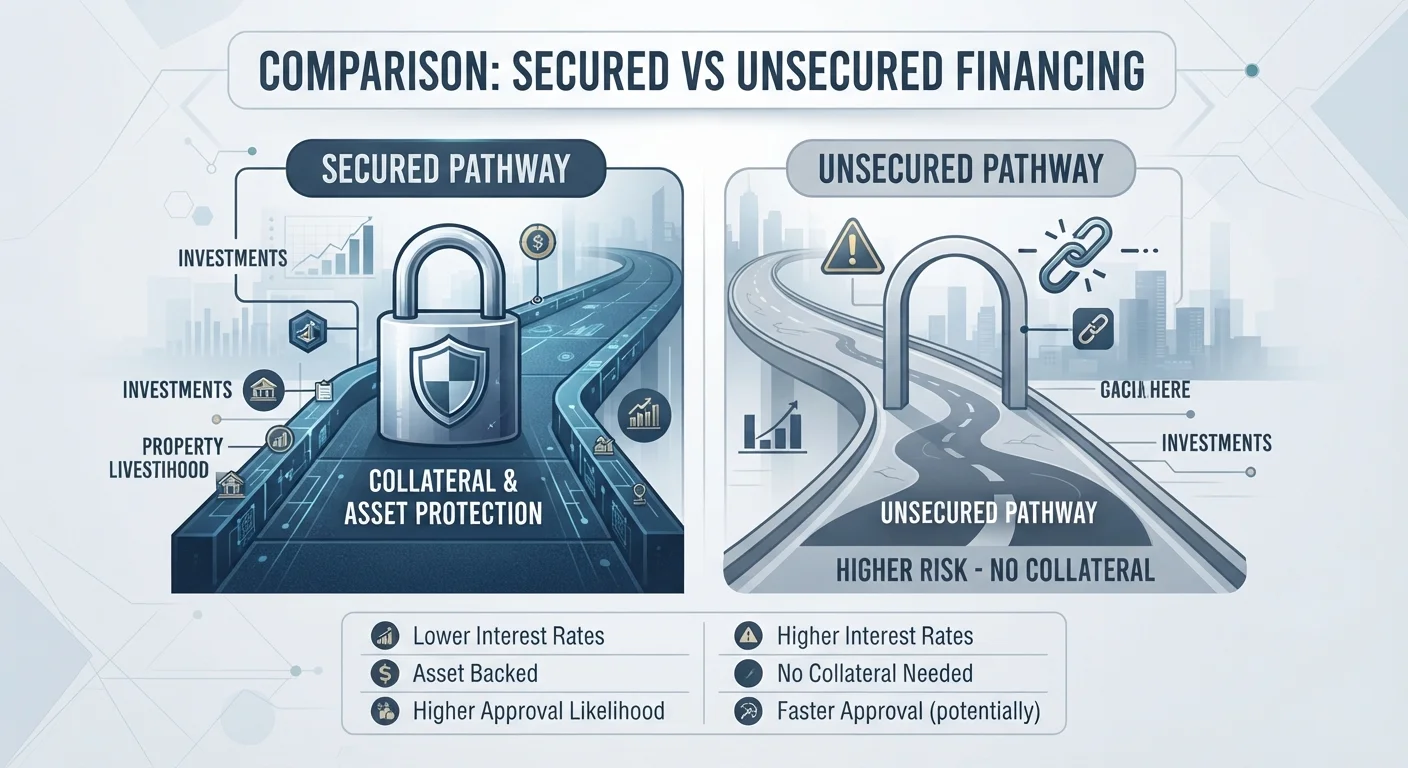
Once you strip away the label, debt can be evaluated on a handful of concrete factors: the interest rate you're paying, whether the loan is secured by collateral, the total cost over the repayment period, and your ability to keep up with payments if your income changes. Understanding how secured and unsecured debt differ is a useful companion to this analysis - the legal consequences of defaulting on a mortgage are very different from defaulting on a personal loan.
A second dimension worth examining is whether consolidating existing obligations makes sense for your situation. Debt consolidation restructures obligations but doesn't eliminate them, and it doesn't automatically improve your financial position. The goal in any debt decision is the same: minimize total interest paid, maintain repayment flexibility, and avoid taking on more risk than your income can absorb.
$17.5T
Total US household debt
According to the Federal Reserve Bank of New York's Household Debt and Credit Report, total US household debt reached approximately $17.5 trillion in 2024, spanning mortgages, auto, student, and credit card balances.
~20%
Average credit card interest rate (APR)
Federal Reserve consumer credit data has shown average credit card interest rates hovering around 20% or higher in recent years, underscoring why carrying a revolving balance is costly.
$37,000+
Average student loan balance per borrower
Federal Student Aid data indicate the average federal student loan borrower carries over $37,000 in outstanding debt, a figure that varies widely by degree level and institution type.
For a broader grounding in how credit and debt work together, the end-to-end guide to credit and debt for American consumers covers the full landscape in plain terms.
The Label Doesn't Determine the Risk
No debt is automatically safe because it's been called "good." Every loan - regardless of its purpose - carries repayment obligations that can strain your finances if your income drops or circumstances change. Before taking on any debt, evaluate the total interest cost, the monthly payment relative to your income, and what happens if your financial situation shifts. Consulting a licensed financial adviser can help you apply these principles to your specific situation.
This article is for general informational and educational purposes only and does not constitute personalized financial, legal, or investment advice. Readers should consult a qualified financial professional for guidance specific to their situation.