What a Credit Score Actually Represents
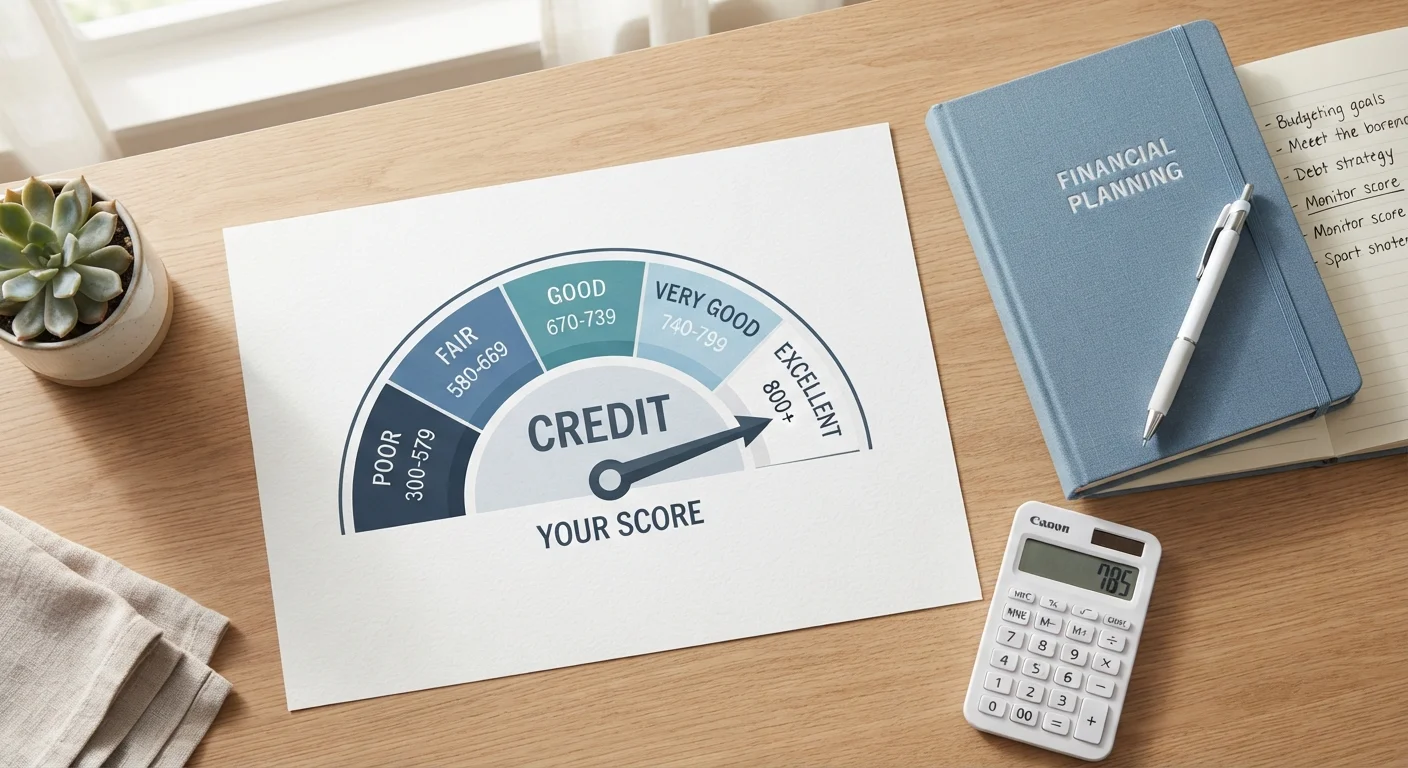
A credit score is not a grade on your overall financial health. It is a statistical prediction: given your borrowing history, how likely are you to miss a payment by 90 days or more on any account in the next 24 months? Lenders use this prediction to decide whether to approve an application and, if so, at what interest rate.
That narrow focus is important to understand. A person with a high salary and substantial savings can have a mediocre credit score if they have a history of late payments. Conversely, someone with modest income but years of on-time payments and low balances may have an excellent score. Income, wealth, and employment are not part of the calculation.
Credit scores exist because manually reviewing every loan applicant's full financial history would be slow and inconsistent. A standardized number allows lenders to make faster, more uniform decisions. For consumers, that same number functions as a kind of financial reputation that follows them across applications for mortgages, car loans, credit cards, and sometimes even rental housing.
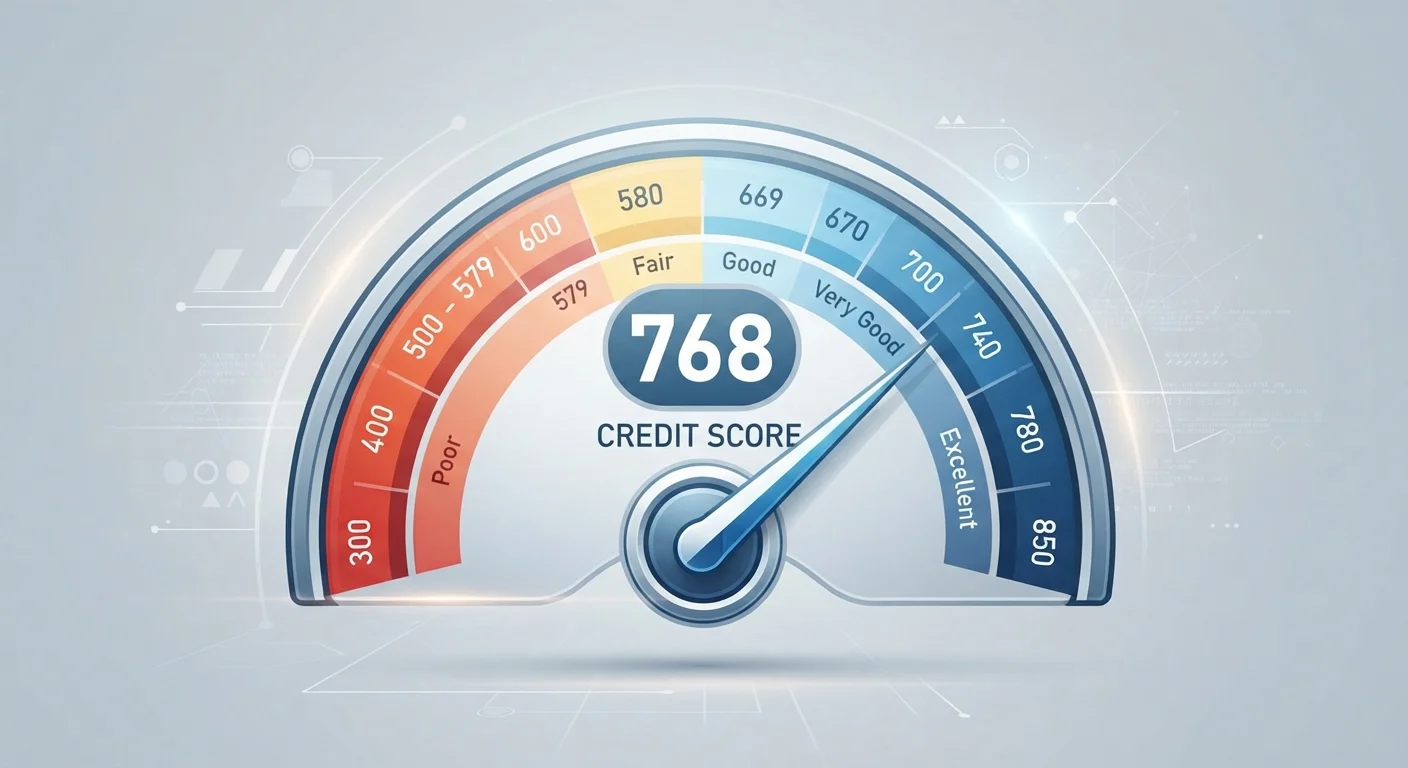
300-850
Standard FICO score range
The FICO Score, used by the majority of top US lenders, runs from 300 (highest risk) to 850 (lowest risk).
~35%
Weight of payment history in FICO scores
According to FICO's publicly disclosed model breakdown, payment history is the single largest factor in a base FICO Score.
3
Major US credit bureaus
Equifax, Experian, and TransUnion each maintain independent credit files, which is why scores can differ across bureaus.
How the Number Is Calculated
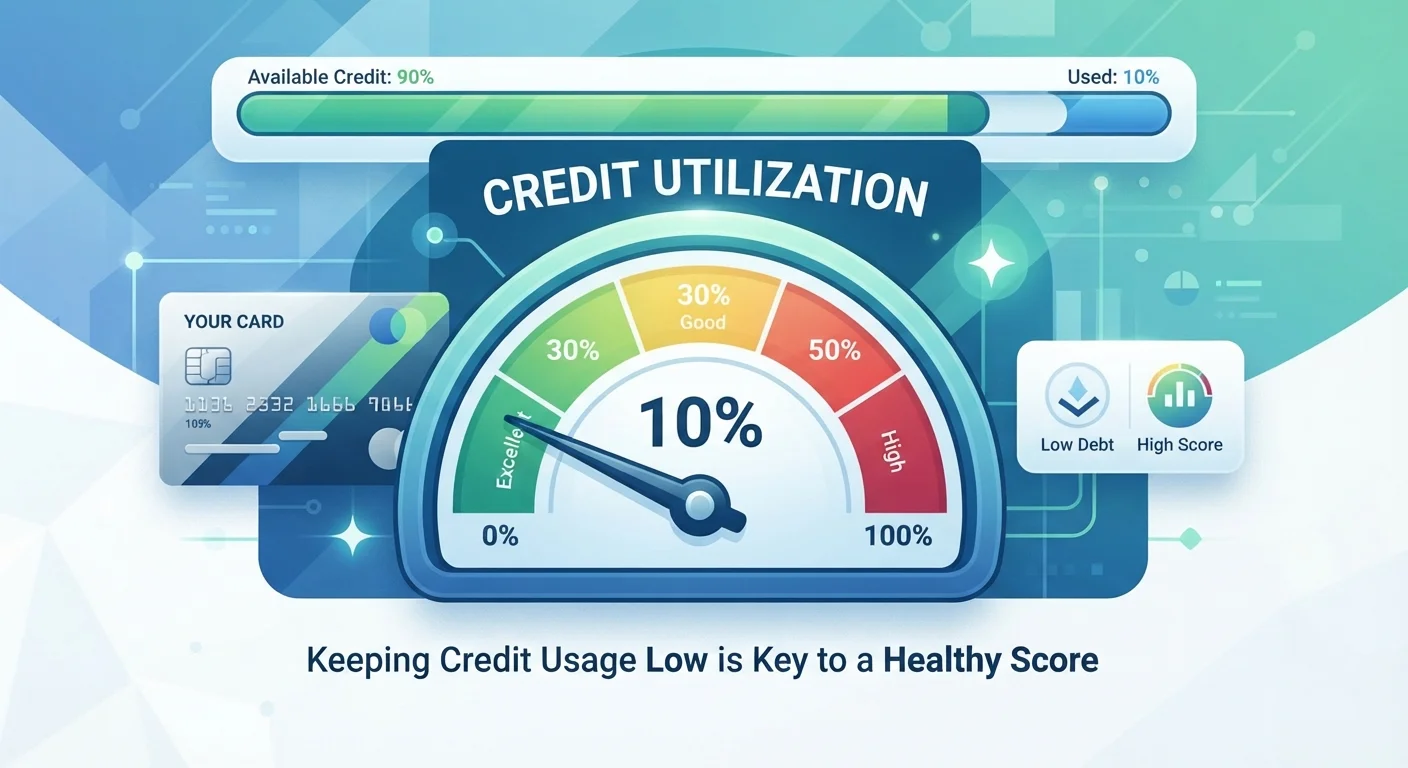
Scoring models analyze the data in your credit file and assign points based on patterns associated with repayment behavior. While exact formulas are proprietary, the major contributing categories are publicly documented. Payment history - whether you pay on time - is the single largest factor in most models. Credit utilization, which measures how much of your available revolving credit you are using, is the second most influential element.
Other factors include the length of your credit history, the variety of account types you carry (installment loans, revolving accounts), and how recently you have applied for new credit. For a deeper look at exactly how these factors are weighted, see our breakdown of the five scoring factors.
One metric worth particular attention is your utilization ratio - the percentage of your credit limits currently in use. Even if you pay in full each month, a high balance at the time your statement closes can temporarily push your score down. Our guide on credit utilization explains how timing your payments affects this figure.
Check Your Credit Report, Not Just Your Score
Your score is derived from your credit report, so errors in the report directly affect the number. All three bureaus are required to provide a free report annually through AnnualCreditReport.com. Reviewing it for inaccurate account information, incorrect late payments, or unfamiliar accounts is one of the most practical steps you can take to protect your score.
Why You Have Multiple Credit Scores
There is no single universal credit score. The three major credit bureaus - Equifax, Experian, and TransUnion - each maintain independent files. Because not every creditor reports to all three, the underlying data can differ. Apply the same scoring model to different data sets and you get different results.
Layered on top of that, multiple scoring models exist. FICO alone publishes dozens of versions, including industry-specific variants for auto lenders and mortgage lenders. VantageScore, a competing model created jointly by the three bureaus, uses a slightly different algorithm. Lenders choose which model to use, so the score they see may not match the one you viewed on a consumer app.
None of this means your scores are unreliable - they typically move in the same direction and cluster in a similar range. But it is why comparing a score from one source to a score pulled from another can feel confusing. Focus less on the precise number and more on the tier it places you in and the trends over time.
Common Misconceptions Worth Correcting
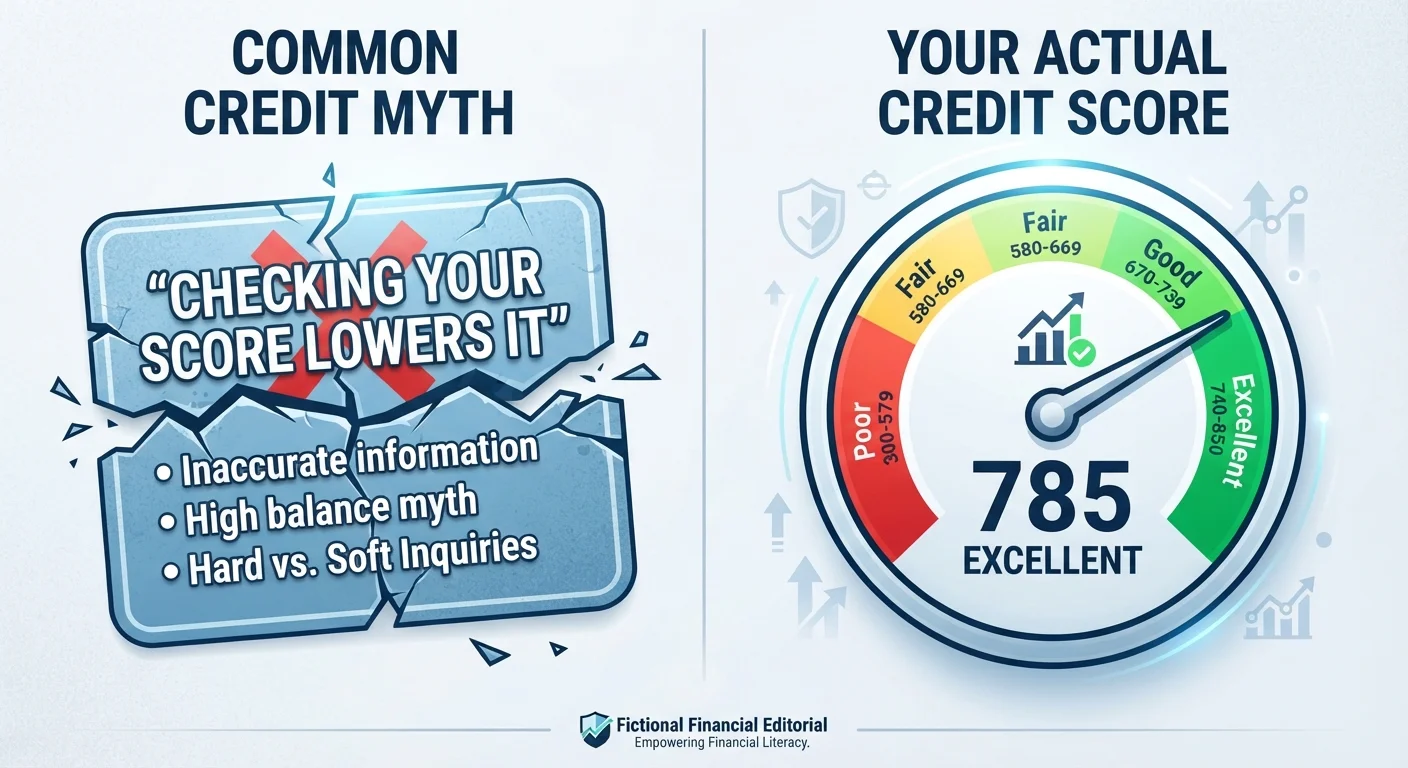
Several widely shared beliefs about credit scores contradict how scoring models actually work. Carrying a small balance on a credit card to 'show activity' is one example - it does not help your score and costs you interest. Closing old accounts to simplify your finances can actually shorten your credit history and raise your utilization ratio, both of which may lower your score.
For a full rundown of credit beliefs that don't hold up, the article on credit myths is a useful companion to this one. If your score has recently dropped and you are not sure why, common causes of score dips maps the most frequent triggers to likely explanations.
Scores Are a Snapshot, Not a Sentence
Because scores recalculate based on current data in your credit file, a low score today is not permanent. Negative items age and carry less weight over time, and consistent on-time payments, lower balances, and avoiding unnecessary new applications can gradually move a score in a positive direction. Improvement typically takes months, not days.
This article is for general informational and educational purposes only and is not personalized financial advice. For guidance specific to your situation, consult a qualified financial professional.