How Each System Works
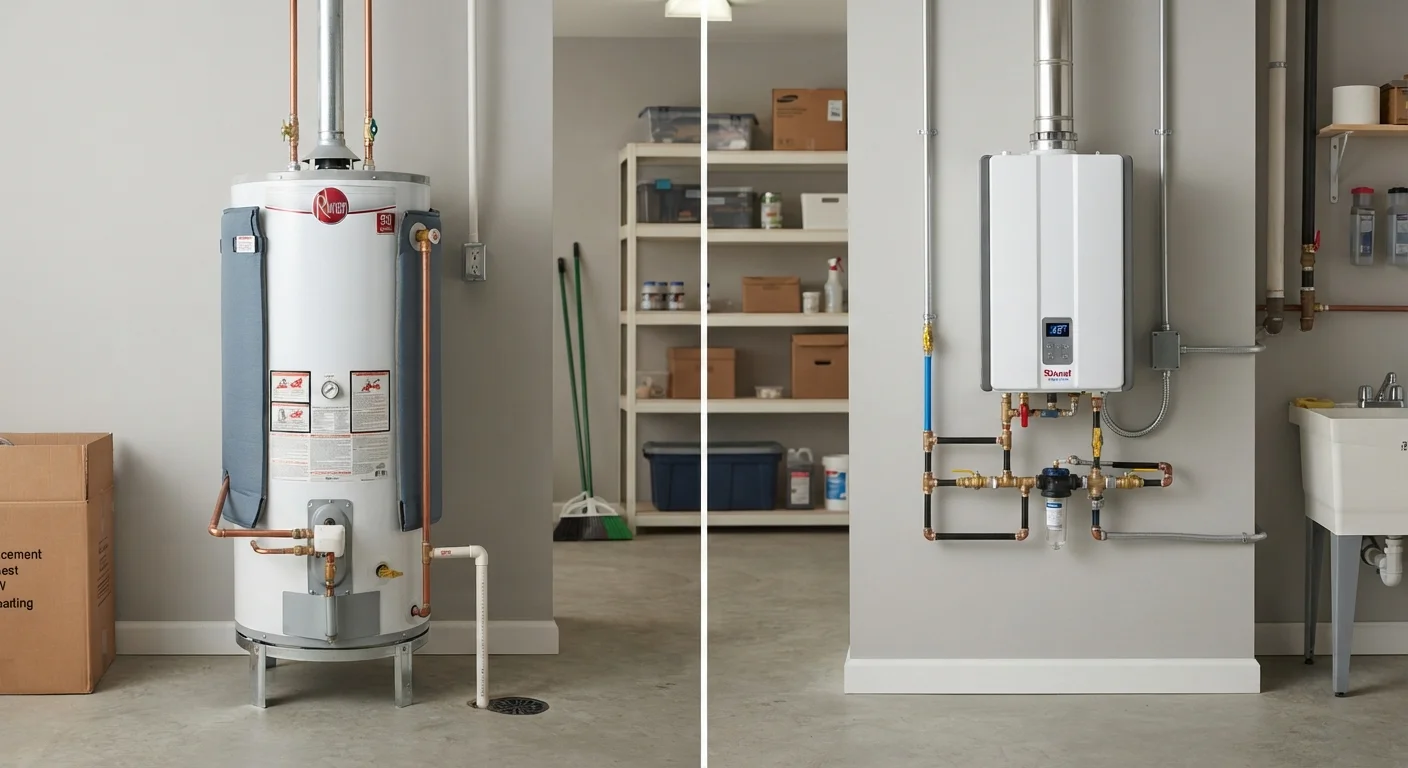
A tank water heater maintains a reservoir of hot water - typically 30 to 80 gallons - at a set temperature around the clock. A burner or heating element keeps the water ready to use, meaning hot water is available immediately when you open a tap. The tradeoff is standby heat loss: energy is consumed continuously to keep that stored water warm, even when no hot water is being used.
A tankless water heater (also called an on-demand or instantaneous heater) has no storage tank. When a hot water tap is opened, cold water flows through the unit and is heated by a gas burner or electric element in real time. This eliminates standby heat loss but introduces a flow-rate limit - the heater can only warm water as fast as its output capacity allows. Larger households may require multiple units or a whole-home unit with a higher gallon-per-minute (GPM) rating.
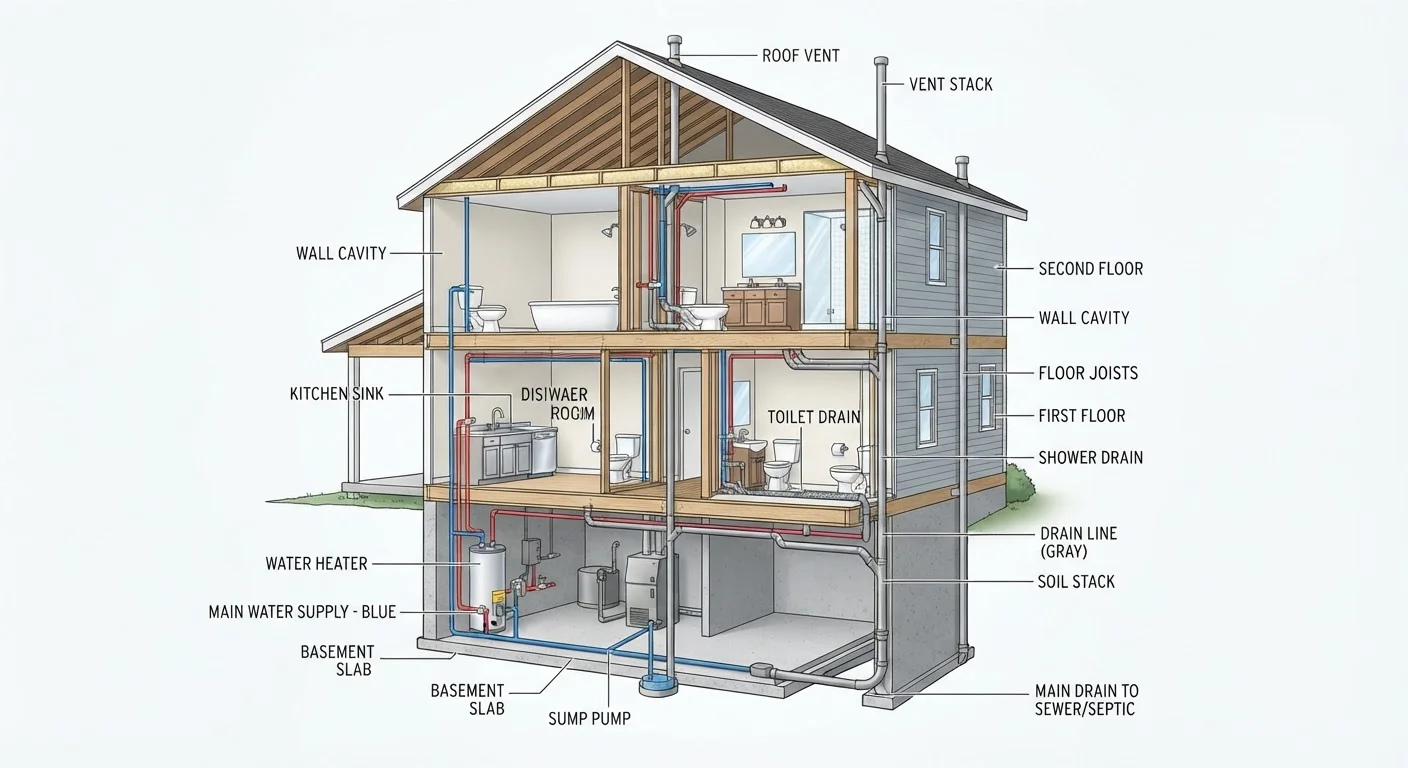
Understanding these fundamentals is part of getting to know your home's water systems. See our overview of how home plumbing systems work for broader context on how these appliances fit into your supply lines.
| Criterion | Tank Water Heater | Tankless Water Heater |
|---|---|---|
| Typical upfront cost (installed) | $500-$1,500 | $1,000-$3,500+ |
| Energy efficiency | Lower (standby heat loss) | Higher (on-demand heating) |
| Average lifespan | 8-12 years | 15-20+ years |
| Hot water availability | Immediate; limited by tank size | Continuous; limited by flow rate |
| Space required | Large footprint (floor-standing) | Compact (wall-mounted) |
| Installation complexity | Straightforward replacement | May need venting/electrical upgrades |
| Maintenance needs | Annual flush, anode rod check | Periodic descaling required |
Costs: Upfront, Operating, and Lifespan
The cost picture for these two systems involves three layers: installation, day-to-day energy use, and how long the unit lasts.
Installation: Tank heaters generally cost less to purchase and install. A standard gas or electric tank unit typically runs between $500 and $1,500 installed, depending on capacity and fuel type. Tankless units - particularly gas-powered whole-home models - can cost $1,000 to $3,500 or more installed, partly because they may require upgraded gas lines, new venting, or electrical panel work.
Operating costs: The U.S. Department of Energy has noted that tankless water heaters can be 24-34% more energy-efficient than conventional tank heaters for homes that use a moderate amount of hot water daily. That efficiency gap narrows for households with very high usage, where a tank unit keeps pace more economically.
Lifespan: Tank heaters typically last 8-12 years with regular maintenance, including annual flushing to remove sediment. Tankless units, when properly maintained, can last 20 years or more - a factor worth weighing against the higher initial cost.
24-34%
Energy savings for moderate-use homes
The U.S. Department of Energy estimates tankless heaters can be 24-34% more efficient than tank models for homes using roughly 41 gallons or less of hot water daily.
8-12 yrs
Typical tank heater lifespan
Most conventional tank water heaters last between 8 and 12 years with routine annual maintenance, including sediment flushing.
20+ yrs
Potential tankless heater lifespan
Tankless water heaters that are regularly descaled and professionally serviced can last 20 years or longer, according to general industry guidance.
Installation, Maintenance, and What Can Go Wrong
Both system types require professional installation, particularly when gas lines or new venting are involved. Attempting to connect gas appliances without a licensed plumber or HVAC technician is dangerous and typically requires a permit. Always verify local code requirements before any water heater work - your municipality may require inspections for new installations or replacements.
Maintenance differences are real. Tank heaters benefit from annual sediment flushing, anode rod inspection (the rod that prevents tank corrosion), and checking the temperature and pressure relief valve. Tankless units need periodic descaling - especially in areas with hard water - to prevent mineral buildup on the heat exchanger. Neglecting this step can significantly shorten a tankless unit's lifespan.
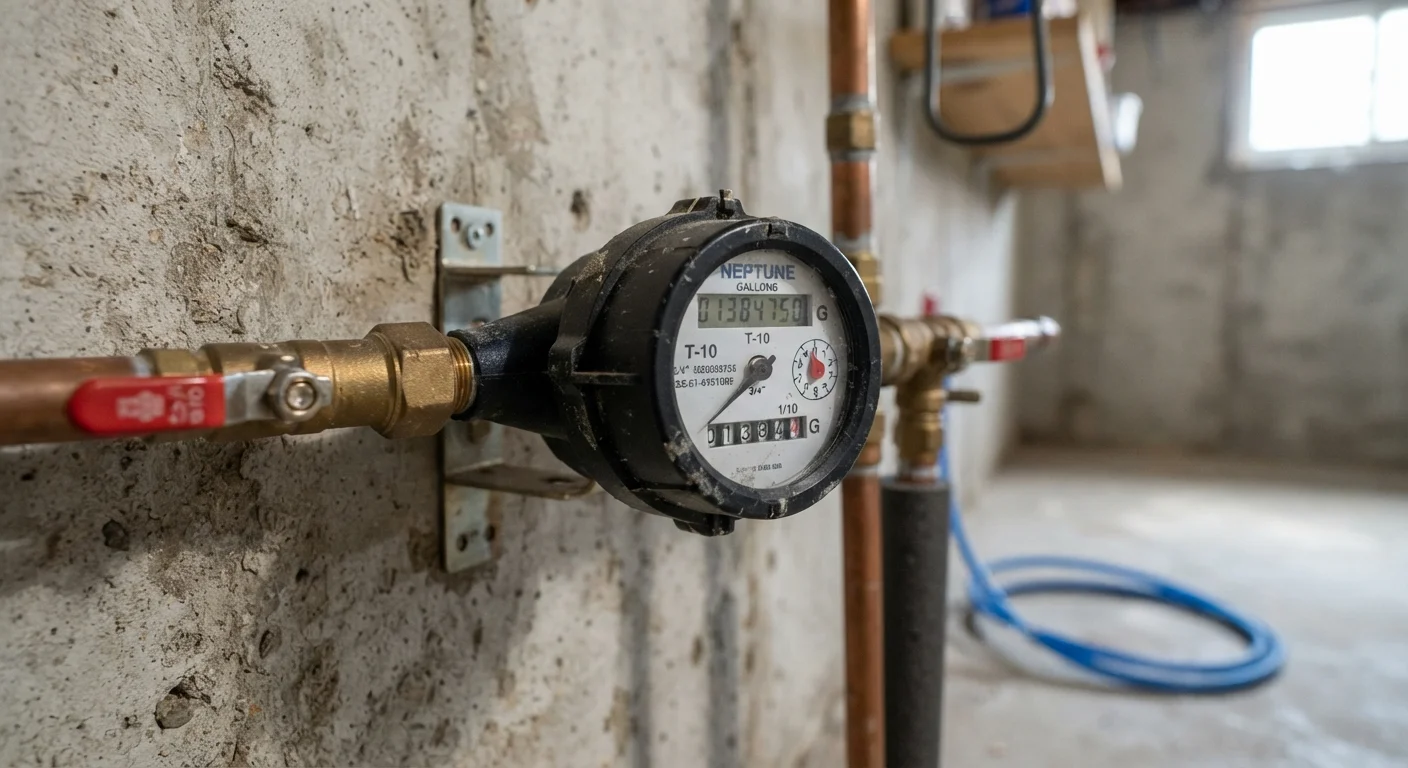
Common tank heater problems include pilot light failures, thermocouple wear, and tank corrosion. Tankless units can develop flow sensor issues, ignition failures, or error codes related to venting or water quality. Both types benefit from a professional inspection every few years. If you notice unusual water consumption alongside heating issues, reviewing your usage with tools like a home water meter guide can help isolate the source.
Permits and Licensed Trades Are Typically Required
In most U.S. jurisdictions, replacing or installing a water heater requires a permit and inspection, particularly when gas lines or venting are involved. Always check your local building department's requirements before starting a project. Work involving gas connections must be performed by a licensed professional - this is a safety and legal requirement in most states, not just a recommendation.
Which Type Fits Your Home?
The right choice depends on your household size, usage patterns, energy priorities, and how long you plan to stay in your home.
A tank heater makes practical sense if you have a large family with simultaneous hot water demands (multiple showers, laundry, and dishwashing at once), a tighter renovation budget, or if your current plumbing and venting infrastructure is already set up for a tank replacement.
A tankless heater is worth considering if your household uses hot water at more spread-out intervals, you're investing in a home you plan to own long-term, or you want to reduce your home's overall energy footprint. It also suits smaller homes or vacation properties where space is at a premium.
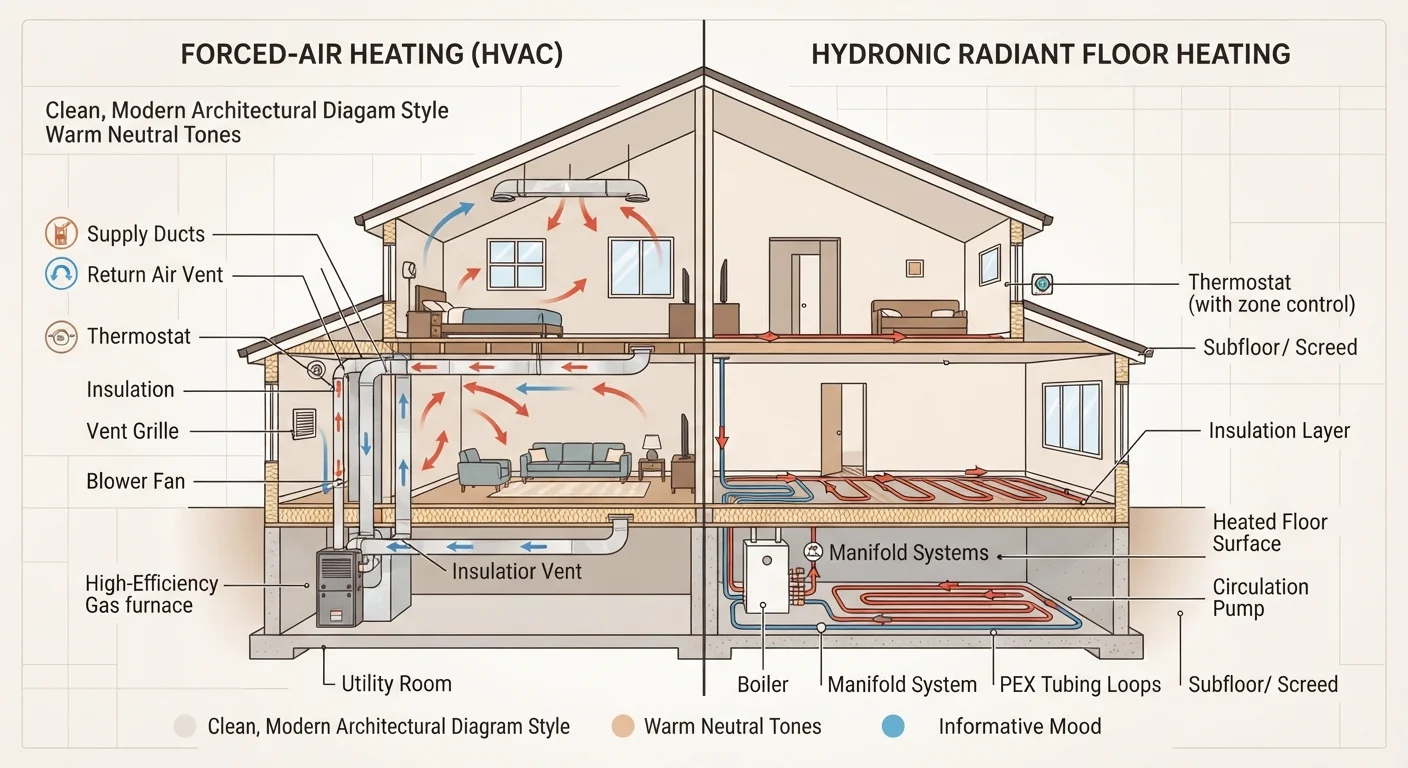
Water heaters are one of several interconnected home systems - decisions here may relate to how your heating system operates as well. For comparison, our article on forced air versus radiant heat offers a similar framework for understanding another essential home system.