What Do These Eating Patterns Actually Mean?
Diet labels are frequently oversimplified in popular media. Before comparing outcomes, it helps to understand what each pattern actually prescribes - and what it doesn't. For a grounded starting point, see Understanding Healthy Eating: A Starting Point for Adults.
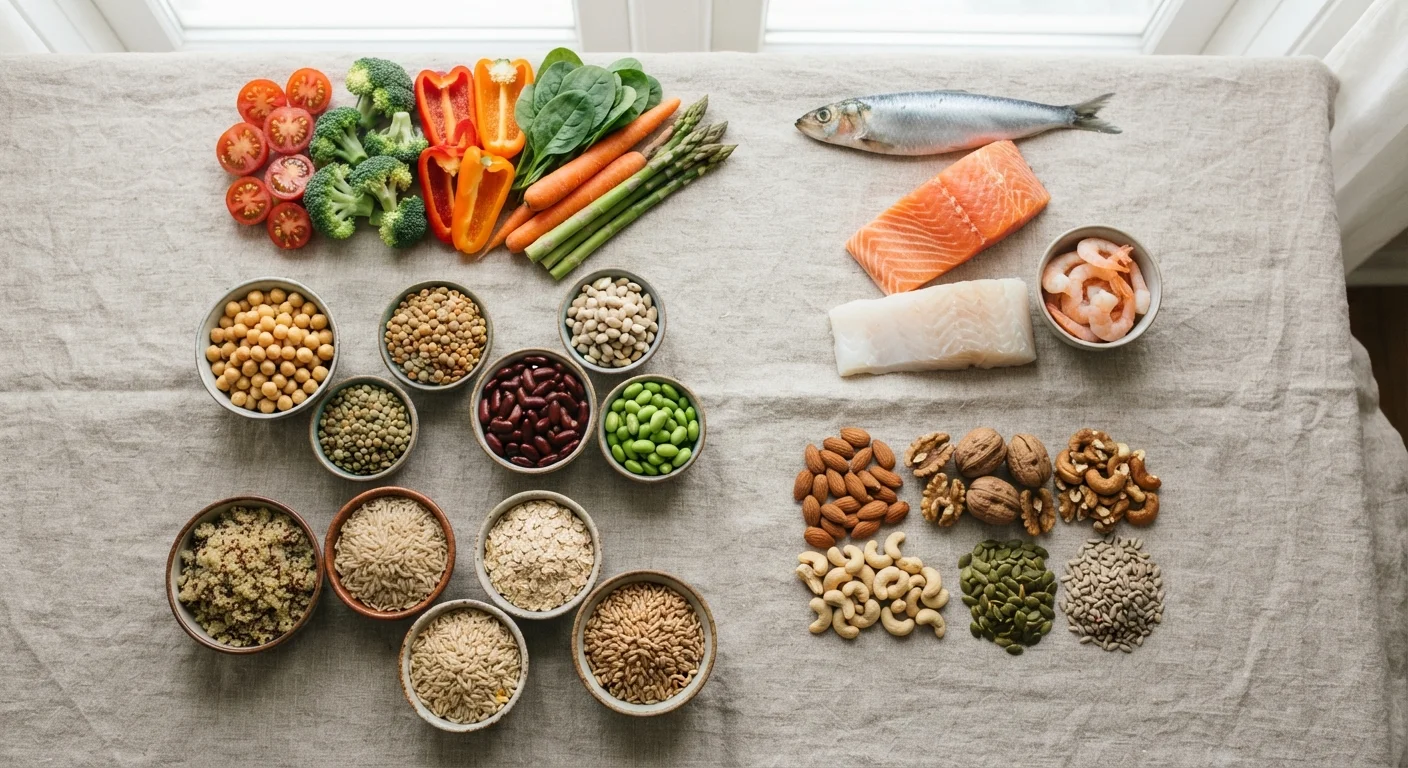
Mediterranean pattern: Emphasizes vegetables, fruits, whole grains, legumes, nuts, olive oil, and moderate fish consumption. Red meat and highly processed foods are minimized. Moderate wine consumption is sometimes noted in research, though it carries its own risks and is not a recommended feature.
Plant-based pattern: A spectrum ranging from vegetarian (no meat) to vegan (no animal products) to flexitarian (mostly plants, occasional animal foods). The defining feature is centering whole plant foods, not eliminating all animal products.
Low-carb pattern: Restricts total carbohydrate intake, typically replacing those calories with fats and proteins. Ketogenic diets are the most restrictive form, limiting carbs to roughly 20-50 grams per day to induce ketosis - a metabolic state where fat becomes the primary fuel source.
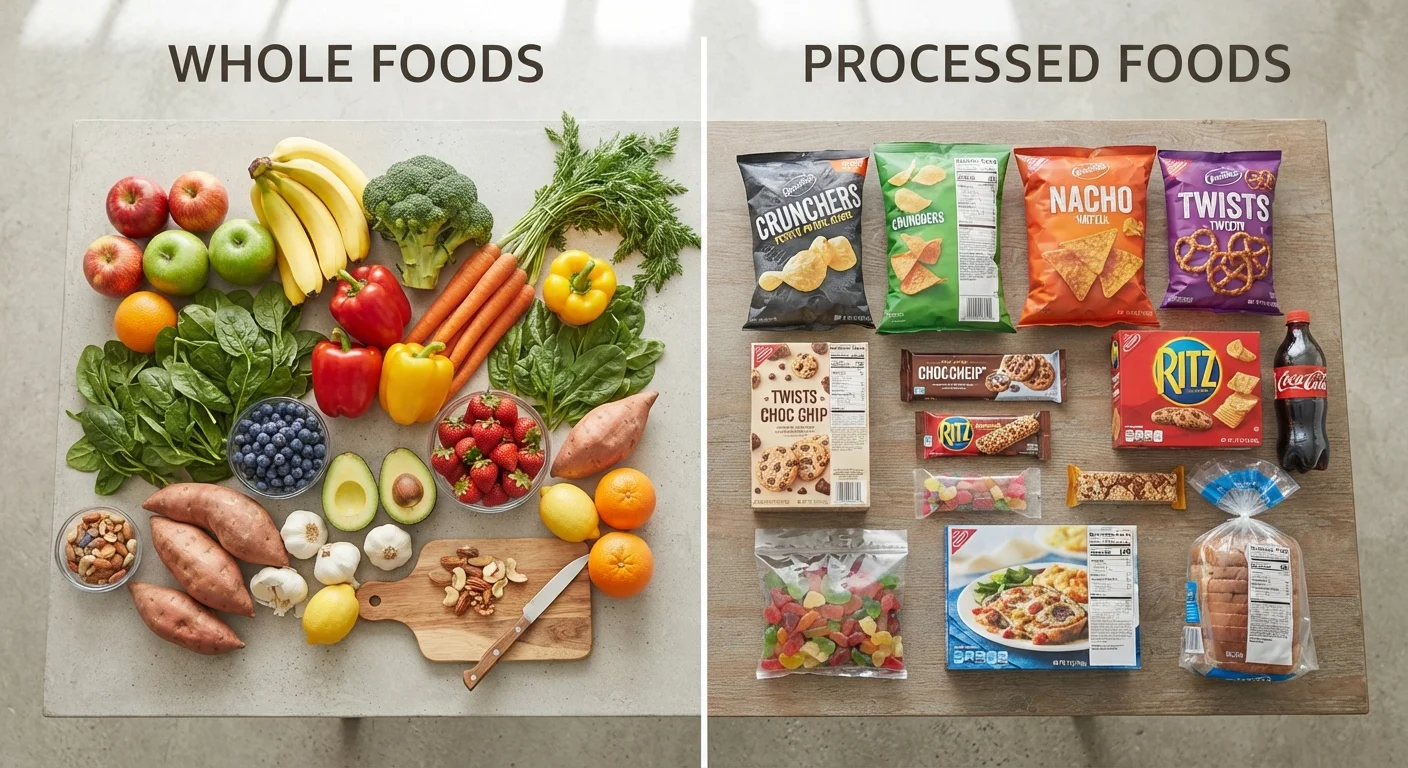
Whole foods pattern: Not a strict diet, but a framework prioritizing minimally processed ingredients regardless of macronutrient ratios. This overlaps with all the above. Research on ultra-processed food intake is increasingly relevant here - explored further in Whole Foods vs. Ultra-Processed Foods: What the Evidence Says.
What the Research Says About Each Pattern
Evidence quality varies considerably across dietary research. Most large studies are observational, meaning they identify associations rather than proven cause-and-effect. Randomized controlled trials in nutrition are difficult and expensive to conduct at scale. This limitation applies equally to all patterns compared here.
| Mediterranean | Plant-Based | Low-Carb / Keto | Whole Foods Focus | |
|---|---|---|---|---|
| Primary foods emphasized | Vegetables, fish, olive oil, grains | Legumes, vegetables, fruits, whole grains | Meat, dairy, eggs, non-starchy veg | Any whole, minimally processed foods |
| Foods minimized | Red meat, processed foods | Meat, often dairy and eggs | Grains, legumes, sugar, starchy veg | Ultra-processed and refined foods |
| Strength of long-term evidence | Strong and consistent | Moderate to strong | Moderate (short-term stronger) | Emerging, pattern-dependent |
| Cardiovascular health associations | Well-documented benefit | Generally positive | Mixed; fat type matters | Generally positive |
| Typical nutritional risk | Low with good variety | B12, D, iron, omega-3 | Fiber, electrolytes | Low with good variety |
| Flexibility and adaptability | High | Moderate to high | Low to moderate | Very high |
Mediterranean: A substantial body of research, including the widely cited PREDIMED trial, associates this pattern with reduced cardiovascular event risk, improved blood lipid profiles, and lower markers of systemic inflammation. It is one of few patterns with consistent long-term outcome data.
Plant-based: Research links predominantly plant-based diets with lower rates of type 2 diabetes, heart disease, and certain cancers, though the strength of association depends on diet quality within the pattern. A poorly constructed vegan diet heavy in refined carbohydrates does not carry the same associations as a well-planned whole-food version.
Low-carb and ketogenic: Short-term trials show meaningful improvements in blood glucose control, triglyceride levels, and weight loss. Long-term adherence is harder to study, and cardiovascular outcomes depend heavily on the types of fat and protein consumed. High intake of saturated fat in the context of a low-carb diet remains an active area of research.
For a deeper look at how protein source interacts with these patterns, see Protein Sources Side by Side: Animal vs. Plant.
Diet Quality Matters More Than the Label
Research consistently shows that the quality of foods within any pattern outweighs the pattern's name. A Mediterranean diet built around refined grains and processed olive-oil snacks, or a plant-based diet relying heavily on ultra-processed meat alternatives, will not reflect the outcomes seen in research populations. Focus on the underlying food quality principles - whole, varied, minimally processed - as the common denominator across all well-studied approaches.
Common Nutritional Gaps and Practical Considerations
Each pattern carries predictable nutritional trade-offs that are worth understanding before making changes.
- Mediterranean: Generally well-balanced. Calorie density from olive oil and nuts can be high; portions matter for individuals managing weight.
- Plant-based (vegan): Risk of inadequate vitamin B12, vitamin D, long-chain omega-3 fatty acids, iron (in absorbable form), zinc, and calcium. These gaps are manageable with planning or supplementation, but should be monitored. Anyone following a strict vegan diet should work with a healthcare provider.
- Low-carb/ketogenic: Initial phases may cause electrolyte imbalances, fatigue, and digestive changes. Long-term restriction of fiber-rich carbohydrates (like legumes and whole grains) may negatively affect gut microbiome diversity.
- Whole foods focus: No major gaps by definition if variety is maintained, though highly individual depending on actual food choices made.
Regardless of pattern, principles for composing nutritionally complete meals apply across dietary frameworks. And if you're sorting through conflicting claims, common nutrition myths is worth reading alongside this comparison.
This article is for general informational and educational purposes only and does not constitute medical or dietary advice. Speak with a registered dietitian or qualified healthcare provider before making significant changes to your eating pattern, particularly if you have an existing health condition or take medications.