What Each Label Actually Means
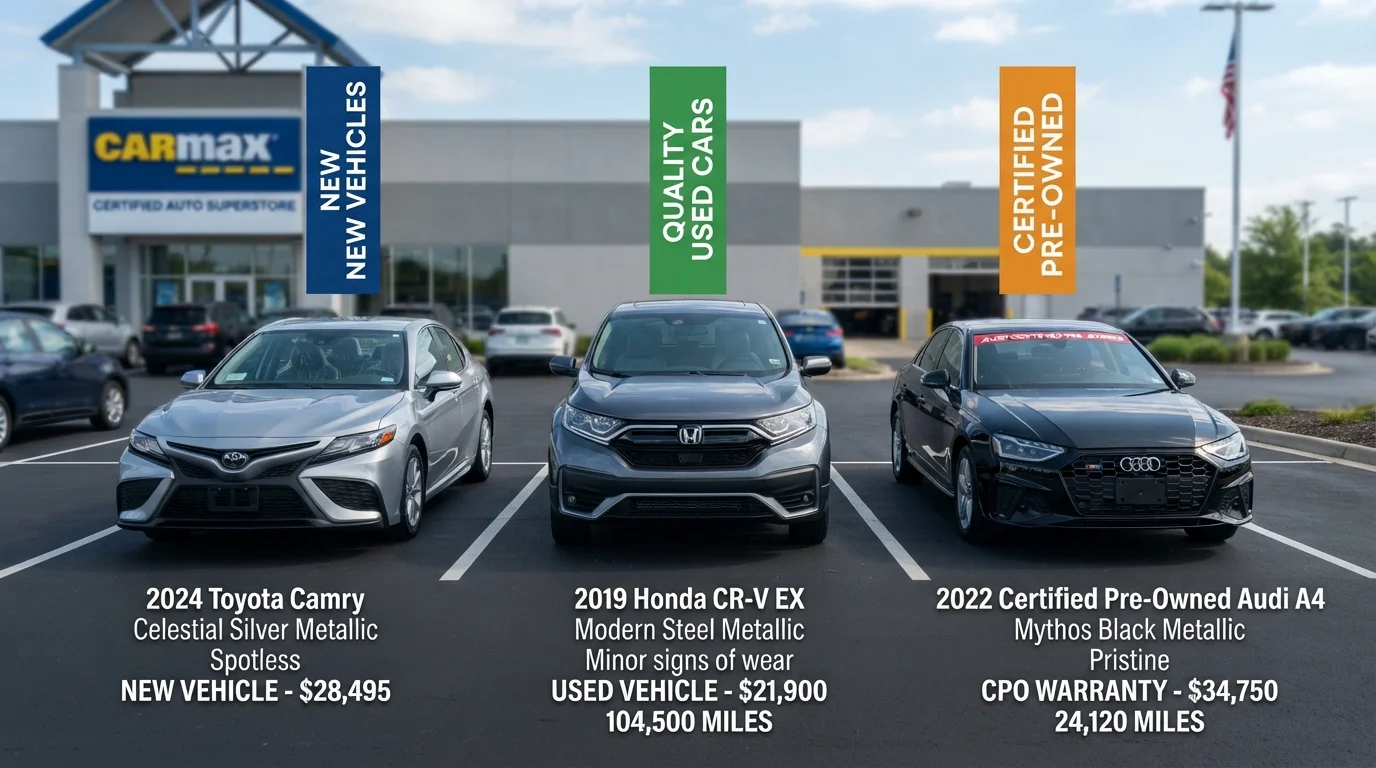
In the US auto market, the terms new, used, and certified pre-owned (CPO) are not interchangeable - each carries a legally and commercially distinct set of conditions. Understanding what each label commits a seller to, versus what it leaves open, is the starting point for any honest vehicle comparison.
New vehicles are sold with no prior retail ownership. They carry the full original manufacturer's warranty - typically a bumper-to-bumper (comprehensive) warranty of three years or 36,000 miles and a powertrain warranty of five years or 60,000 miles, though these figures vary by manufacturer. Federal law (the Magnuson-Moss Warranty Act) governs how these warranties must be disclosed.
Used vehicles is a catch-all category covering any vehicle with prior retail ownership. Beyond basic lemon law protections that vary by state, a used vehicle sold "as-is" comes with no guaranteed coverage. Dealer-backed warranties on used cars are separate add-ons, not a feature of the label itself.
Certified Pre-Owned is a manufacturer or dealer program - not a federal standard. To wear a CPO badge from an automaker, a vehicle typically must meet age and mileage thresholds, pass a multi-point inspection, and receive a warranty extension. However, what that inspection covers and how the warranty is structured varies considerably from brand to brand. See our breakdown of warranty terms for what the fine print typically includes and excludes.
| Criterion | New Vehicle | Certified Pre-Owned (CPO) |
|---|---|---|
| Prior ownership | None | Yes, typically 1-4 prior owners |
| Factory warranty | Full, from day one | Remaining factory + CPO extension |
| Inspection standard | Factory QC before delivery | Manufacturer-defined multi-point check |
| Typical purchase price | Highest | Moderate (below new) |
| Depreciation exposure | Highest in years 1-2 | Lower; prior owner absorbed initial drop |
| Financing rate availability | Generally lowest rates | Sometimes manufacturer-sponsored rates |
| Coverage standardization | Consistent by federal law | Varies significantly by brand and program |
| "As-is" risk | None | Low, but exclusions apply |
The CPO Fine Print Most Buyers Miss
CPO marketing language can suggest a level of uniformity that doesn't exist in practice. One manufacturer's CPO program might include a 7-year/100,000-mile powertrain warranty and roadside assistance; another's might offer 12 months of coverage with a significant deductible. Neither is inherently dishonest - but they are very different products wearing the same label.
Key questions to ask before accepting a CPO designation at face value:
- Who backs the warranty? Manufacturer-backed CPO programs are generally more reliable than dealer-certified programs, which are essentially third-party contracts.
- What was inspected? Request the actual inspection checklist. A 100-point inspection sounds thorough, but the specifics matter more than the number.
- What does the warranty exclude? Wear items (brake pads, tires, wiper blades) are almost universally excluded. Some programs also exclude pre-existing conditions identified at sale.
- Is the original factory warranty still active? Many CPO vehicles are recent enough that the factory warranty has not yet expired, meaning the CPO coverage stacks on top - a meaningful benefit.
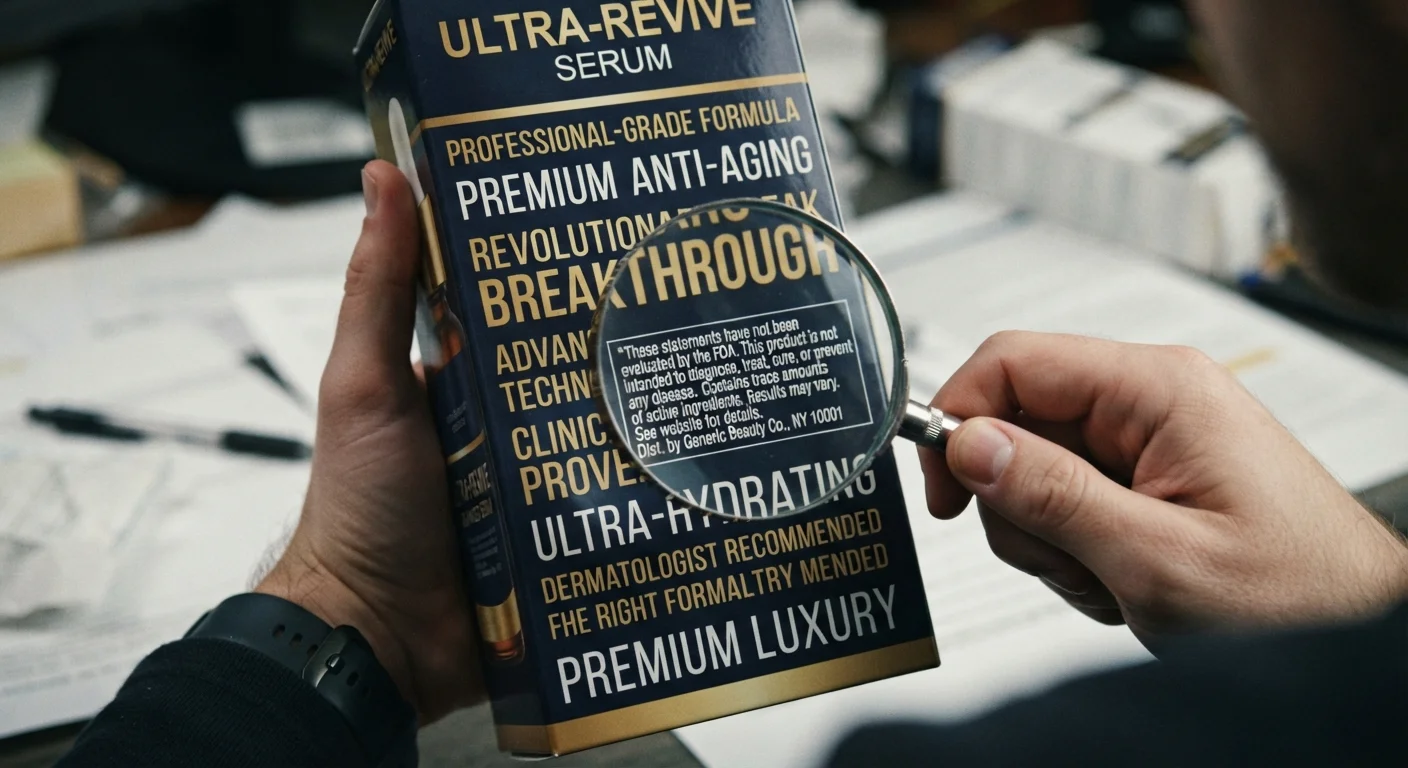
This is where manufacturer marketing language most often creates confusion: the word "certified" implies a consistent standard that simply doesn't exist across the industry.
~20%
Typical new-vehicle value lost in year one
Industry analysts broadly estimate new vehicles lose roughly 15-20% of value in the first year, though this varies by make, model, and market conditions.
Varies by brand
CPO inspection point counts across manufacturers
Manufacturer CPO checklists range from roughly 100 to over 170 inspection points, with no federal standard governing what must be included.
Higher APR
Used vs. new vehicle loan rates
According to Federal Reserve consumer credit data, interest rates on used vehicle loans have historically run higher than those on new vehicle loans from the same lenders.
Depreciation, Financing, and Total Cost
Purchase price is only one dimension of cost. Depreciation, financing rates, and insurance premiums interact differently depending on the vehicle category.
Depreciation: New vehicles typically lose a significant portion of their value in the first one to two years of ownership. This is why a lightly used or CPO vehicle of the same make, model, and trim can represent meaningful savings - the prior owner absorbed that initial value drop.
Financing: Lenders typically offer lower interest rates on new vehicles than on used ones, partly because new vehicles serve as more predictable collateral. CPO vehicles sometimes qualify for manufacturer-sponsored financing rates that are competitive with new-car rates, depending on the program. For a fuller picture of how used vehicle loans differ structurally, see our guide on financing a used car.
Insurance: Newer vehicles with higher replacement values generally carry higher comprehensive and collision premiums. However, newer safety systems (automatic emergency braking, lane-keeping assist) may offset some of that cost through insurer discounts - an area worth discussing directly with an insurer before purchase.
Total cost of ownership - including anticipated maintenance, fuel, insurance, and financing - is a more useful comparison point than sticker price alone. For guidance on evaluating long-term mechanical reliability across model years, see what reliability actually means when shopping for a car.
Matching the Right Label to Your Situation
No single vehicle category is objectively superior - the right choice depends on how you weigh upfront cost, coverage certainty, and long-term financial exposure.
If warranty peace of mind is non-negotiable and budget allows, a new vehicle eliminates uncertainty about prior use and offers the most comprehensive coverage window. If value relative to features is the priority, a manufacturer-backed CPO vehicle in the one-to-three-year-old range can offer a reasonable balance - provided you read the actual CPO contract rather than relying on the badge. If minimizing purchase price is the primary goal, a privately purchased used vehicle may be appropriate, but it places the full burden of due diligence on the buyer: vehicle history reports, pre-purchase inspections by an independent mechanic, and clear-eyed assessment of remaining useful life all become essential steps.
For any of these paths, understanding the financing landscape before walking into a dealership will put you in a stronger negotiating position and help ensure the monthly payment fits within a sustainable budget.
This article is for general informational and educational purposes only and does not constitute financial, legal, or professional advice. Warranty terms, financing conditions, and program details vary by manufacturer, dealer, and lender. Verify specifics directly with the relevant parties before making a purchase decision.