The Two Federally Defined Warranty Types
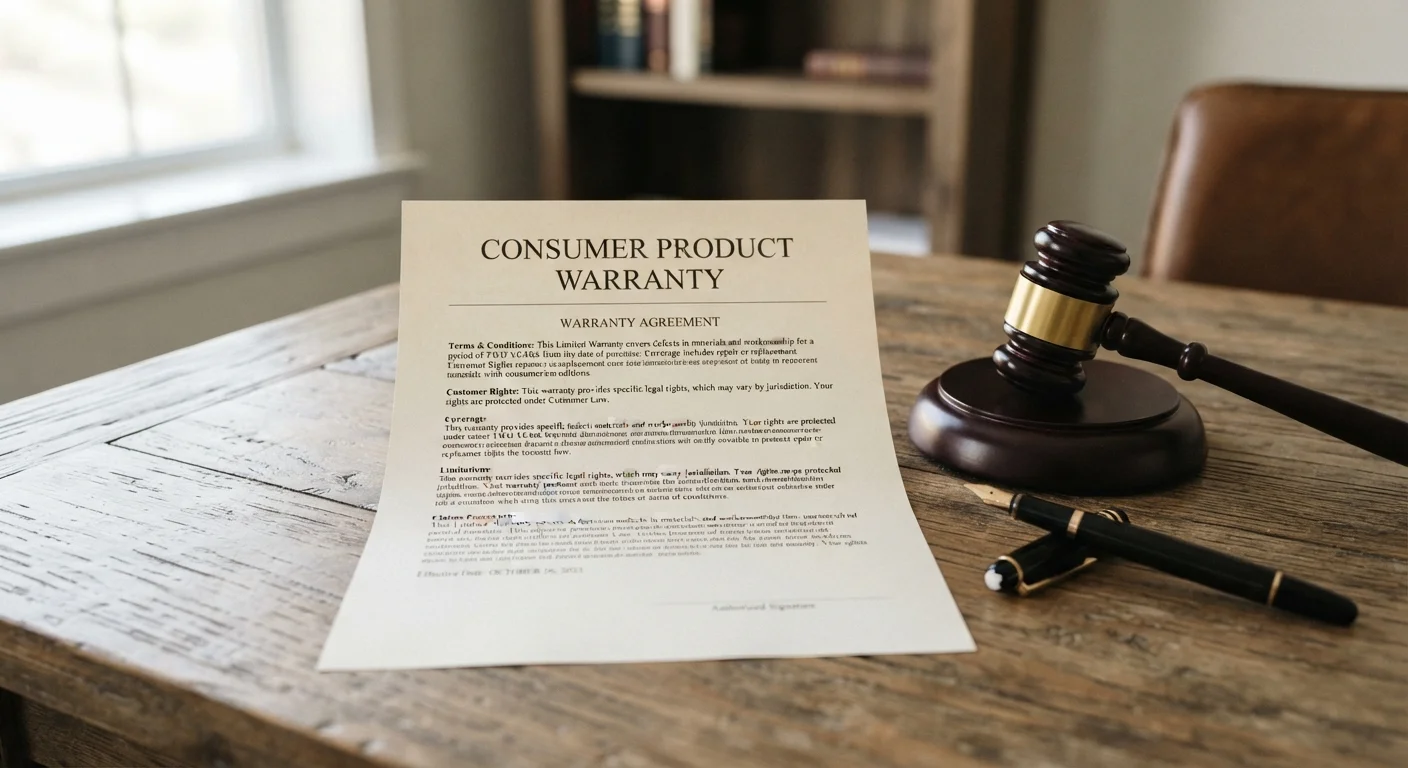
When a written warranty accompanies a US consumer product, federal law - specifically the Magnuson-Moss Warranty Act - requires it to be labeled as either full or limited. That label is not marketing language; it carries legal obligations.
| Federal law governing warranties | Magnuson-Moss Warranty Act (15 U.S.C. § 2301 et seq.) (U.S. Federal Trade Commission) |
| Minimum product value requiring written warranty disclosure | $15 or more (consumer products sold in the US) (FTC Warranty Rules, 16 C.F.R. Part 701) |
| Two core warranty types under federal law | Full and Limited (Magnuson-Moss Warranty Act) |
| State law protecting buyers even without written warranties | Implied warranty of merchantability (UCC Article 2) (Uniform Commercial Code, adopted in all 50 states) |
| Common exclusions in limited warranties | Cosmetic damage, misuse, unauthorized repairs, consumable parts (Standard industry warranty language) |
| Who regulates warranty advertising claims | Federal Trade Commission (FTC) (FTC Act, Section 5) |
A full warranty requires the warrantor to repair or replace a defective product within a reasonable time, at no cost to you. If multiple repair attempts fail, you're entitled to a refund or replacement - your choice. The seller cannot require you to return a warranty registration card as a condition of coverage.
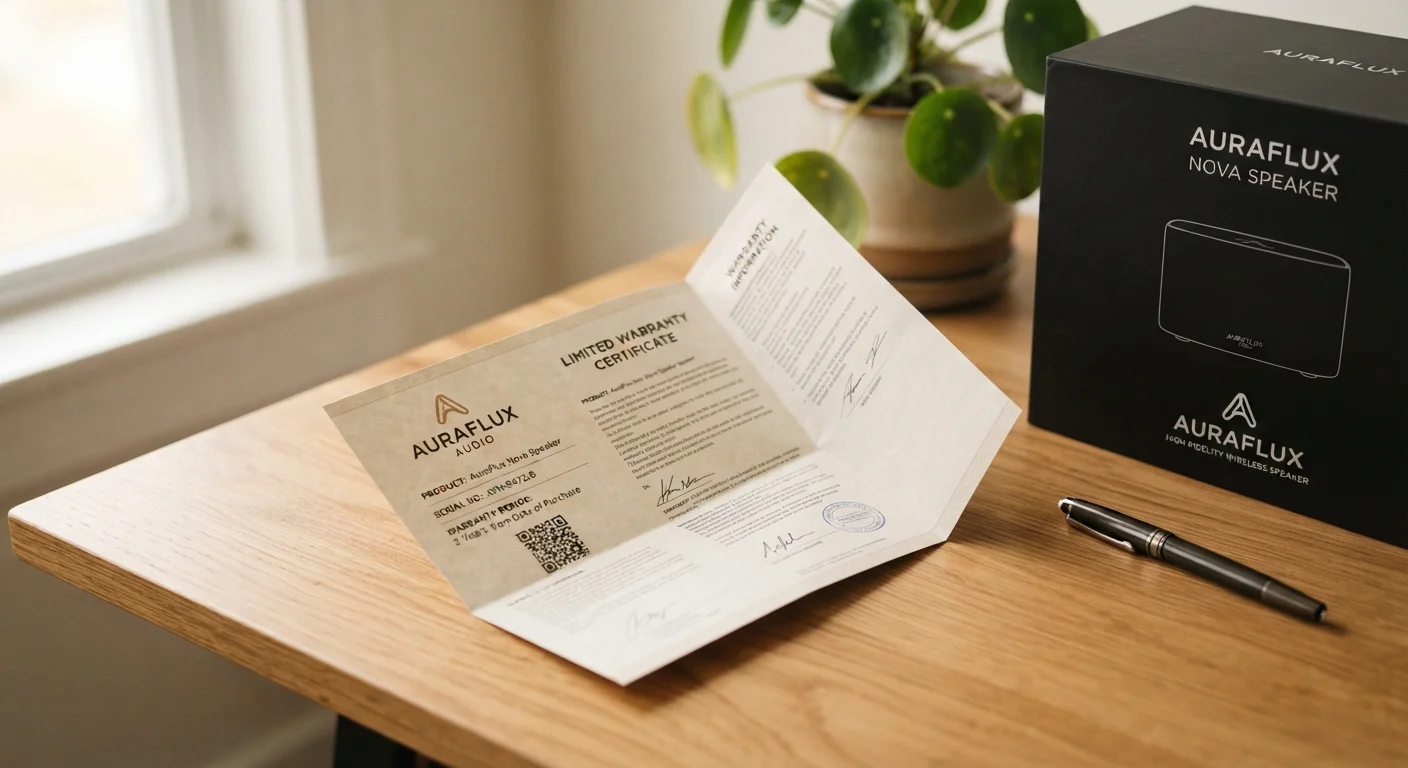
A limited warranty can restrict coverage in several ways: it may apply only to parts (not labor), require you to pay shipping, or limit the remedy to repair only. These restrictions are legal, but they must be disclosed clearly in the warranty document itself. Vague or buried limitations can be a red flag - see our guide on warranty fine print clauses to watch for.
What Warranties Typically Cover - and Exclude
Coverage scope varies significantly by product category and manufacturer. Understanding the standard structure helps you spot gaps before they matter.
Commonly covered:
- Defects in materials or workmanship present at the time of manufacture
- Mechanical or electrical failures under normal use
- Specified components for the stated duration
Commonly excluded:
- Damage from misuse, accidents, or unauthorized modifications
- Cosmetic wear (scratches, dents, fading)
- Consumable parts (batteries, filters, bulbs) unless a defect is proven at purchase
- Consequential or incidental damages - losses caused by the product failure, not the product itself
Implied Warranties Can Be Disclaimed - With Limits
Sellers can disclaim implied warranties in writing using specific language such as 'sold as-is.' However, if a seller offers any written warranty on a product, federal law generally prohibits them from also disclaiming implied warranties on that same product. Understanding this interaction matters when evaluating a deal that comes with a written warranty attached.
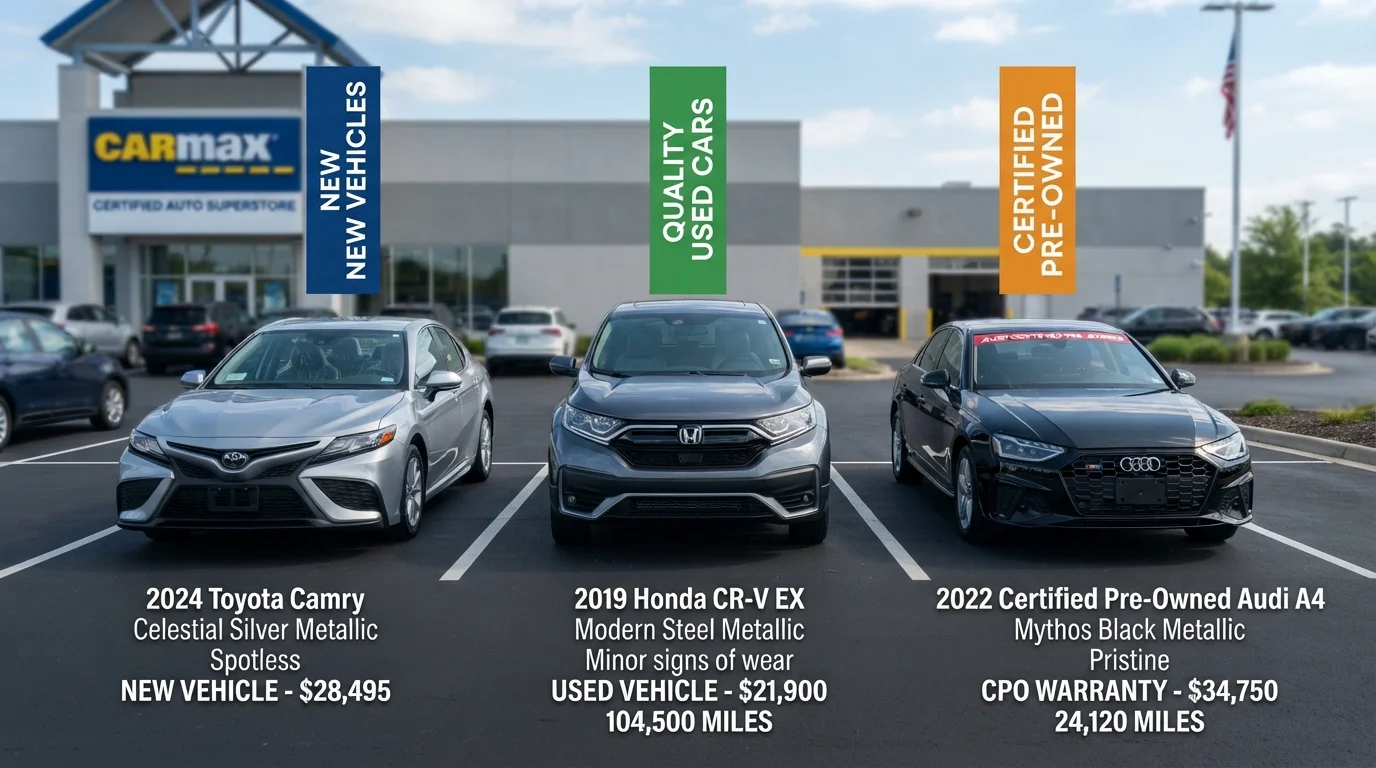
Warranties on vehicles operate under additional layers: manufacturer coverage, state lemon laws, and optionally a service contract. The protections that come with a new, used, or certified pre-owned vehicle differ substantially - verify which apply before you complete a purchase.
Your Obligations as the Buyer
Warranties are not unconditional. Most require you to fulfill specific conditions to keep coverage valid.
Maintenance requirements: Some warranties - particularly for appliances and vehicles - require documented, manufacturer-specified maintenance. Missing an oil change or skipping a required service interval can void coverage. Keep records.
Authorized service: Many warranties stipulate that repairs must be performed by authorized service centers. Using an independent repair shop, even a qualified one, can technically void coverage for the repaired component. However, under the Magnuson-Moss Act, a warrantor cannot void an entire warranty simply because you used third-party parts or service for unrelated work.
Timely reporting: Most warranties require you to report defects within a defined window. Waiting too long - even if the defect appeared within the coverage period - can provide grounds for denial.
For a full breakdown of the legal rights behind these obligations, see implied vs. express warranty protections.
Extended Warranties: A Different Animal
Extended warranties - more accurately called service contracts - are sold separately, often at the point of purchase, and are not governed by the Magnuson-Moss Act in the same way. They are contracts, and their terms are almost entirely set by the selling company.
72%
Consumers who don't read warranty documents before purchasing
According to a Consumer Reports survey on warranty awareness and purchasing behavior.
40%+
Extended warranty claims that are denied or disputed
Industry analyses of service contract complaint data reported to state insurance regulators suggest denial rates are significant, though they vary by provider.
Key differences from manufacturer warranties include: the need to pay a separate premium, potential deductibles per claim, coverage gaps during a waiting period, and the financial risk that the contract company goes out of business. Before purchasing one, compare it carefully against the manufacturer coverage still in effect - our article on extended warranties vs. manufacturer warranties provides a structured comparison framework.
The Consumer Rights hub contains additional guidance on returns, protections, and how to escalate warranty disputes effectively.
This article provides general consumer information about warranty terms and is not legal advice. For disputes involving significant amounts or complex contract issues, consult a licensed consumer rights attorney in your state.