What Solo Road Tripping Actually Looks Like in Practice
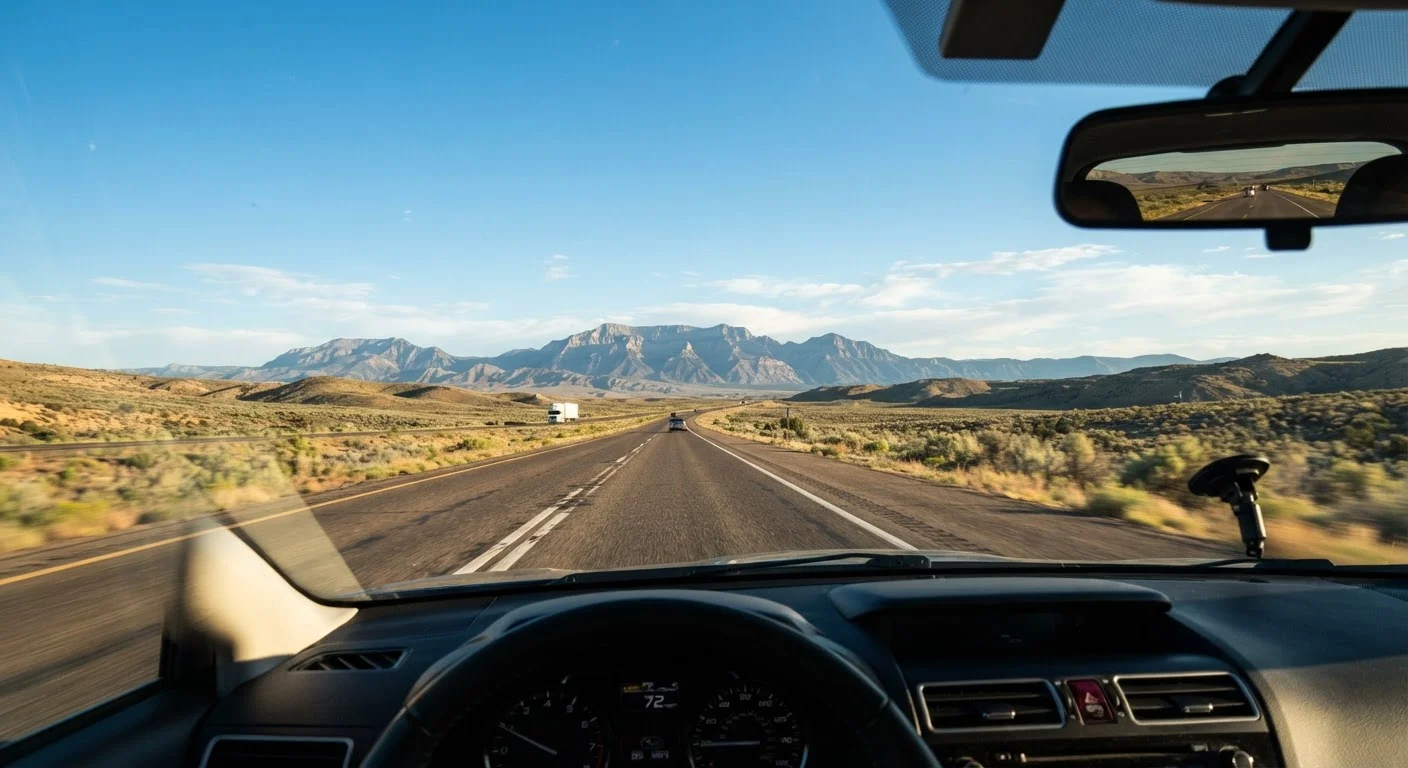
Strip away the romanticized version of driving alone across America-the cinematic shots, the freedom montages-and what you're left with is a practical exercise in self-management. Every call is yours: when to leave, where to stop, how long to linger at a trailhead, whether to push another hour or pull off for the night. That autonomy is the defining feature of solo road tripping, and whether it's a benefit or a burden depends entirely on the individual.
Before diving into the trade-offs, it's worth being honest about the baseline. A solo cross-country drive requires more pre-trip preparation, not less. You can't rely on a travel companion to navigate, spot hazards, or take over when you're tired. If you're planning your first major drive, read through this cross-country planning guide before finalizing your itinerary.
The Real Advantages of Going It Alone
Solo road trips have earned their following for concrete reasons, not just philosophical ones.
Complete control over pace and daily schedule
You set departure times, decide how long to stay anywhere, and adjust the route mid-trip without negotiation. This kind of flexibility consistently reduces trip friction.
Deeper engagement with destinations
Without a group dynamic to manage, solo travelers tend to explore more actively-talking to locals, wandering off the planned path, or simply sitting longer in places that resonate.
No compromise on route or stops
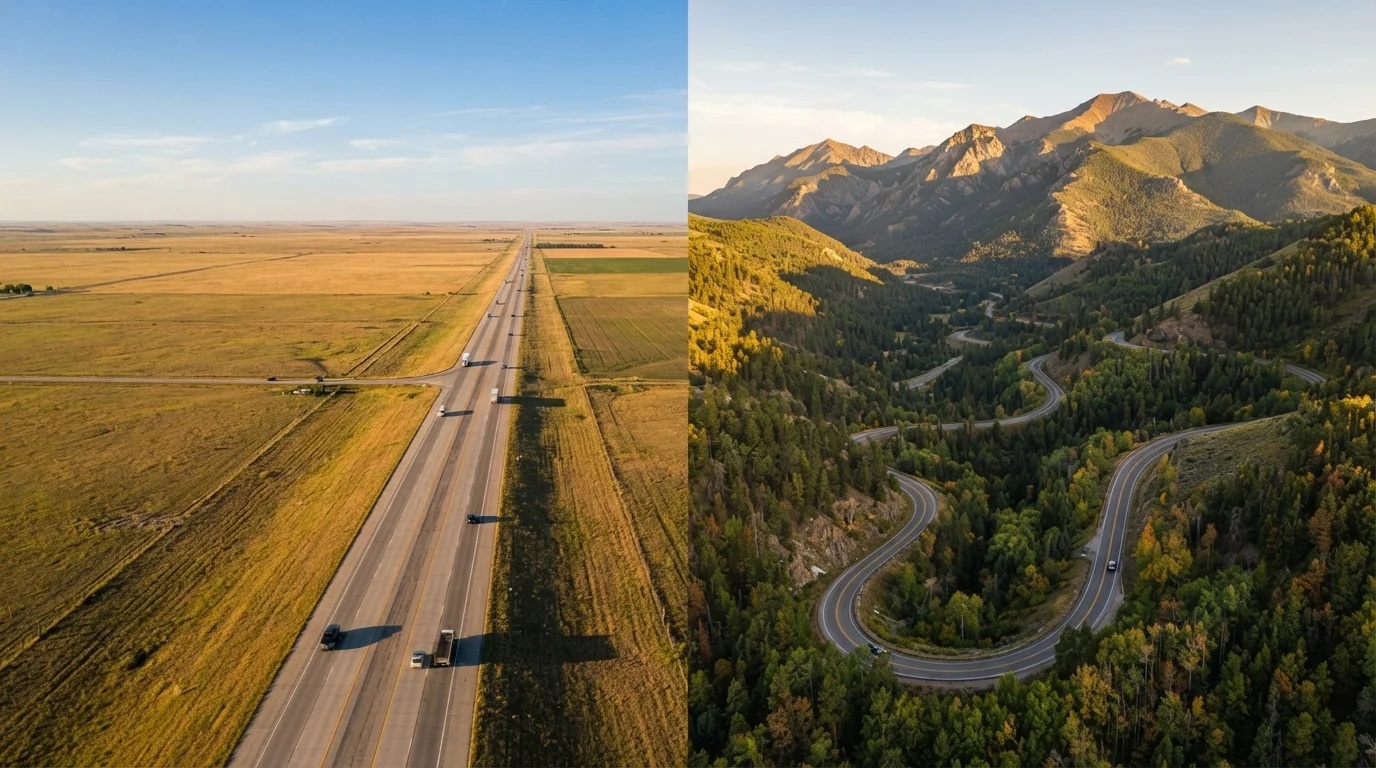
Whether you want to take the long scenic route or push straight through to your next destination, the decision is entirely yours. Route choices like prioritizing byways over interstates become personal rather than political.
Clearer budget control
When you're the only spender, the budget is simpler to track. You can cut costs where it matters to you (lodging) and spend where it doesn't (food, experiences) without group pressure.
Encourages self-reliance and problem-solving
Handling unexpected situations alone-a flat tire, a closed road, a fully booked motel-builds practical confidence that carries over well beyond the trip itself.
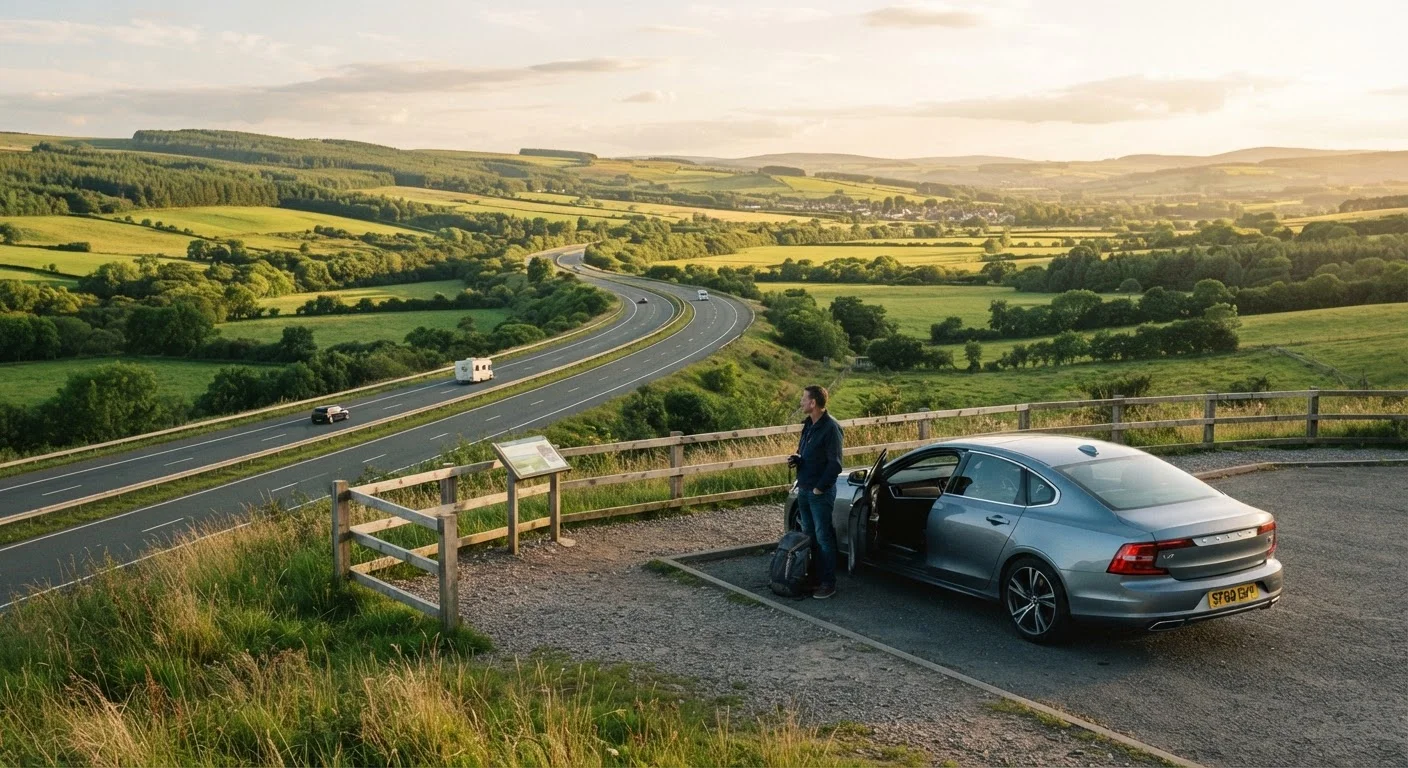
The flexibility factor is particularly underrated. When you're with others, every detour requires consensus. Alone, if you see a sign for a state park you hadn't planned on, you stop. That kind of spontaneous decision-making is hard to replicate in a group, and it often produces the most memorable moments of a trip. The choice between interstates and scenic byways also becomes far simpler when you're not negotiating with anyone else.
The Honest Trade-Offs You Need to Account For
No balanced assessment of solo road tripping can skip the genuine downsides. These aren't reasons to avoid solo travel-they're planning inputs.
No co-pilot means no driving relief
Fatigue is the most significant safety risk in solo driving. Without someone to take over, you must be more disciplined about stopping-there's no backup when you're tired.
Higher per-person accommodation costs
Hotel and motel room rates are largely fixed regardless of occupancy. A solo traveler pays the same nightly rate as two people sharing, effectively doubling the per-person cost versus traveling with a partner.
No one to share navigation or emergency response
In an unfamiliar area or unexpected situation-a road closure, a mechanical issue, a medical concern-managing logistics alone is more demanding and slower than with a companion.
Extended isolation can be mentally draining
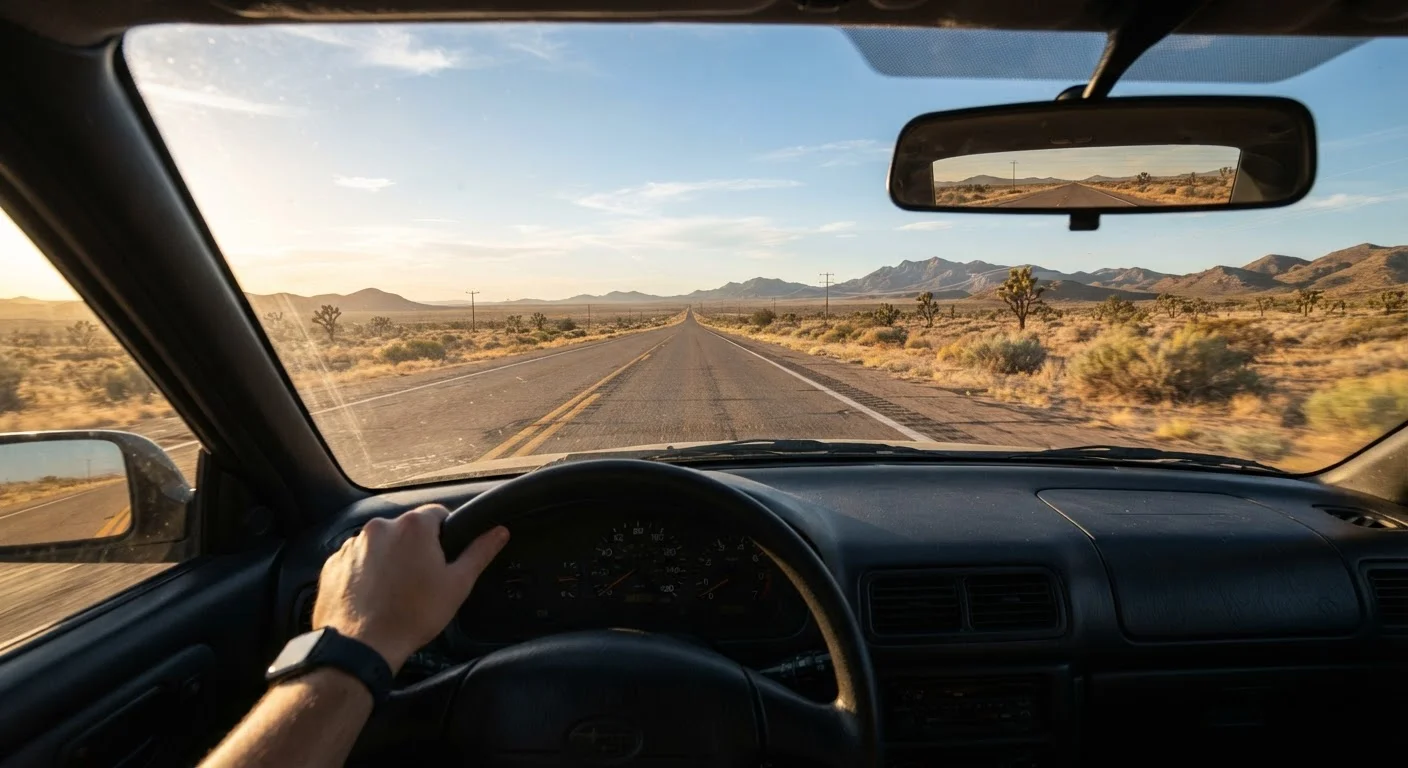
Long solo drives through remote stretches (Great Plains, desert Southwest) can feel isolating rather than peaceful. This affects some people more than others, but it's worth anticipating honestly.
Safety concerns in remote or unfamiliar areas
Traveling alone in low-traffic areas means that if something goes wrong-a breakdown, a medical event-help may be slower to arrive. Preparation and communication planning reduce but don't eliminate this risk.
The fatigue issue deserves special emphasis. AAA and road safety researchers consistently identify drowsy driving as a serious crash risk. Without a co-pilot to swap with, solo drivers need stricter self-imposed limits: most experienced solo travelers cap driving days at six to seven hours maximum, take breaks every two hours, and avoid pushing through evening fatigue. If you're older or managing any health considerations, this framework for drivable routes adds useful structure to trip planning.
Communication Planning Is Non-Negotiable
Cell coverage in rural US can be sparse across large stretches of the West, parts of the South, and the upper Midwest. Solo drivers should download offline maps before leaving, identify dead-zone segments on their planned route, and consider a satellite communicator device for remote legs. A simple daily check-in with a contact at home is low-effort and high-value from a safety standpoint.
Practical Steps That Make Solo Driving Safer and More Manageable
The gap between a smooth solo trip and a stressful one usually comes down to preparation specifics, not broad attitude. A few habits that experienced solo drivers use consistently:
- Establish a daily check-in contact. Share your planned route with someone at home who expects a text or call each evening. This is simple, free, and meaningful if something goes wrong in a remote area.
- Know your car before you go. Understand where your spare tire is, how to use roadside assistance, and what your vehicle's known quirks are. A breakdown is more manageable when you're not learning basic mechanics at the roadside. See what experienced drivers keep in the car for a practical safety and comfort checklist.
- Book accommodation in advance for remote legs. Solo travelers can afford to be flexible in cities; in rural stretches-think stretches of Nevada, eastern Montana, or the Texas Panhandle-options are limited and arrive fast.
- Don't dismiss common misconceptions before examining them. A lot of people talk themselves out of solo driving based on myths rather than facts. Separating road trip myths from reality is worth doing before you decide it's not for you.