Why Standard Road Trip Advice Often Misses the Mark
Most road trip guides are written with one traveler in mind: someone in their 30s, comfortable pushing 400 miles in a single day and sleeping wherever a vacancy sign lights up. That framework works for some people, but it's genuinely poorly suited to older adults - whether that's someone in their 60s on a first long-haul drive or a couple in their 70s who've been road tripping for decades and simply want smarter logistics.
The difference isn't stamina alone. It's how fatigue accumulates across multiple driving days, how quickly a minor medical issue can become a logistical crisis in a rural area, and how much harder it is to recover from a bad night's sleep at an uncomfortable motel. First-time cross-country planners often focus on highlights and mileage. Older drivers should front-load their planning around route structure and daily limits instead.
The Core Planning Variables That Change With Age
These aren't about physical limitations - they're about honest realism regarding what makes a multi-day drive sustainable and safe.
Cap daily driving distance at a realistic personal limit, not a theoretical maximum.
Fatigue accumulates differently over multi-day trips than on a single long drive. Pushing distance on day one creates a debt that compounds by day four. Setting a conservative daily ceiling - and sticking to it - protects the rest of the itinerary.
Map your overnight stops no more than 2-3 hours of driving apart, measured in actual drive time.
This gives you flexibility to stop earlier if fatigue arrives ahead of schedule, and reduces the pressure of a hard daily endpoint. It also means a mechanical issue or weather delay doesn't strand you far from shelter.
Identify medical facilities, urgent care centers, and pharmacies at each overnight stop and in between.
Rural and desert routes can have significant gaps in medical infrastructure. Knowing in advance where you'd go in an emergency - rather than relying on a cell signal and a search engine while stressed - is a material safety improvement.
Choose routes with consistent rest area and fuel stop spacing, particularly on western or rural segments.
In parts of the West, fuel stops can be 60-80 miles apart on two-lane roads. Running low on fuel or needing a bathroom when no services are nearby is stressful and potentially unsafe. Known service intervals reduce that variable.
Prioritize accommodation quality and accessibility features over price alone.
Sleep quality directly affects driving alertness the following day. A noisy, uncomfortable room at a bargain property can cost far more in fatigue than a slightly higher room rate at a quieter, better-maintained property.
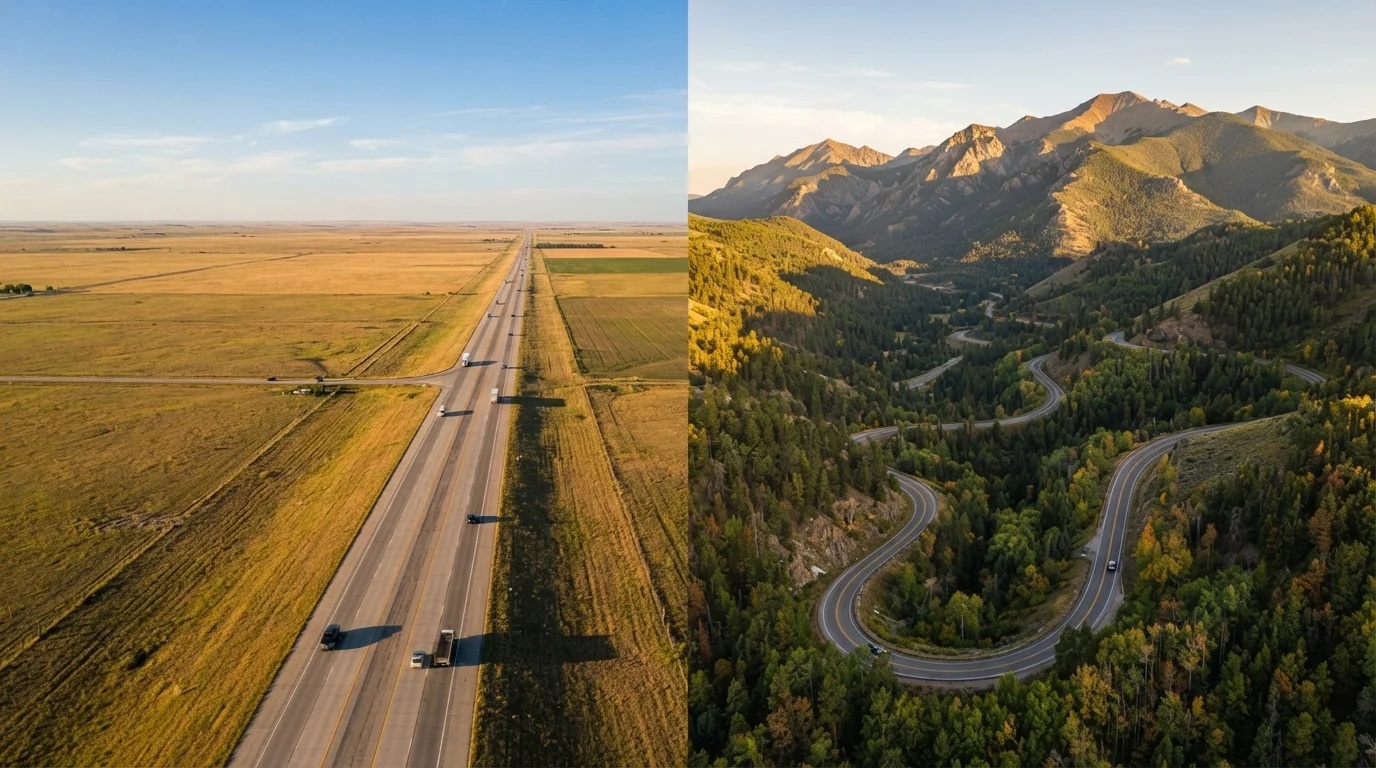
Avoid high-elevation mountain passes and technically demanding roads unless you have recent experience with that terrain.
Passes with steep grades, sharp switchbacks, and limited guardrails are demanding even for experienced drivers. Elevation can also affect alertness and energy. Flat or gently rolling alternatives often exist and add minimal time.
For route selection specifically, the trade-offs between scenic byways and interstates are worth weighing carefully. A byway that's gorgeous in a brochure may involve narrow lanes, poor signage, and no services for 60 miles - all of which compound stress for any driver, but particularly for those who need reliable rest and refueling intervals.
Quick Actions to Build Into Your Planning Session
Before you finalize any route, these steps take less than an hour and can prevent real problems on the road.
Medical Access and Emergency Preparedness Along the Route
This is the variable most trip-planning tools completely ignore. Mapping the location of hospitals, urgent care centers, and 24-hour pharmacies along your intended route isn't pessimistic - it's rational. Gaps of 80+ miles without any medical infrastructure exist on many popular western routes, including stretches of Nevada, Wyoming, and the rural South.
Cell Coverage Gaps Are Still Common in Rural Areas
In parts of Nevada, Wyoming, Montana, and rural Texas, cell signal can be unreliable for stretches of 30-60 miles or more. Downloading offline maps before departure - including your full planned route - ensures you're not dependent on a live connection for navigation. Carrying a printed route summary as a backup is also worth the five minutes it takes.
Drivers managing chronic conditions, prescription medications, or recent procedures should identify at least one healthcare facility per major driving segment and note it in their route notes. This is also where travel insurance with medical evacuation coverage is worth understanding - not as a guarantee, but as a backstop. Consult a licensed insurance professional about what a given policy actually covers before purchasing.
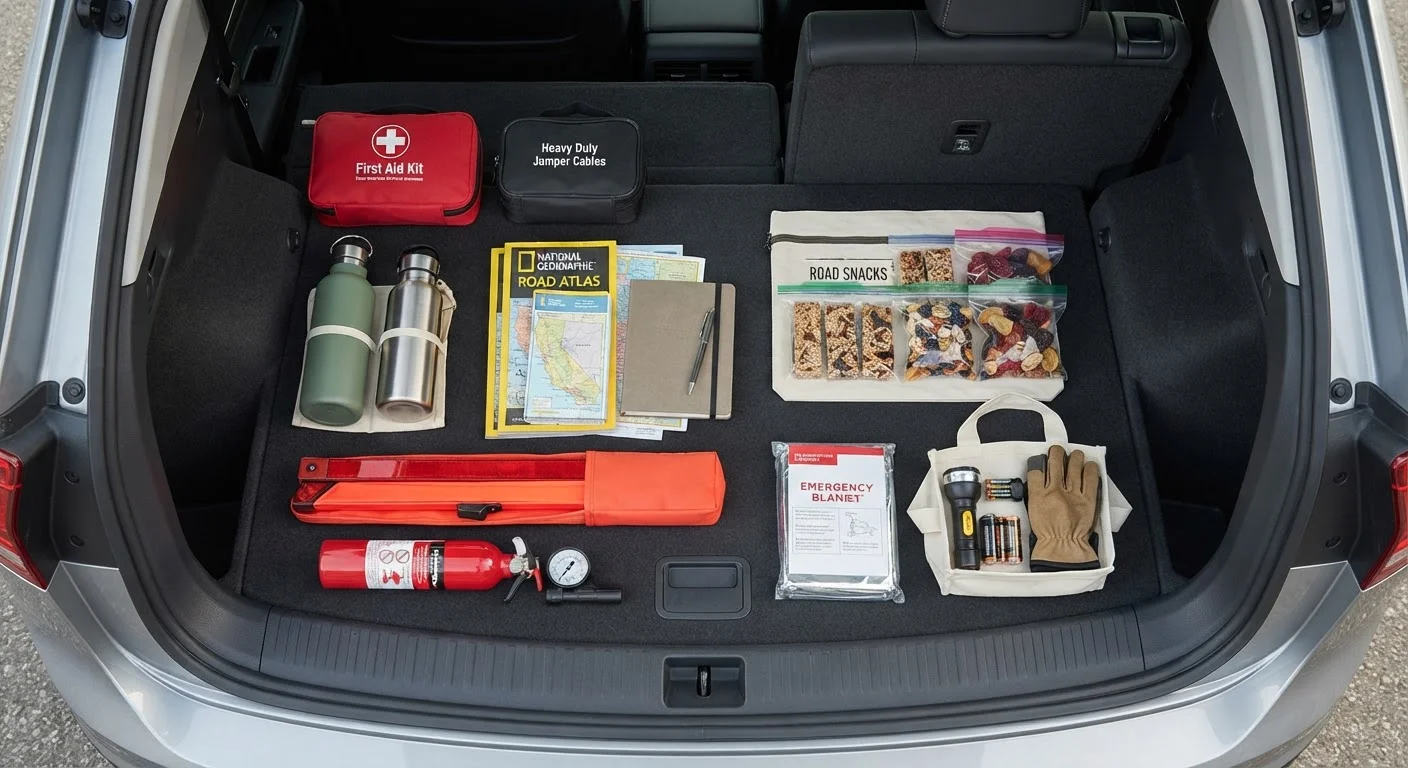
What experienced drivers keep in the car covers the physical kit side of this, including first aid basics and documentation older drivers should have accessible.
Structuring Driving Days for Real Sustainability
The 200-mile-per-day ceiling is a useful rule of thumb, not a hard cap. Some drivers handle 300 miles comfortably; others find 150 more realistic across a 10-day trip. The more useful metric is driving time with breaks, not mileage. Three hours of actual driving with two 20-minute stops is a reasonable daily structure for many older adults - roughly 150-200 miles at highway speeds.
~3 hrs
Recommended daily max driving time per sitting
Traffic safety researchers and occupational health guidelines generally suggest breaks every 1.5-2 hours of driving to manage fatigue and maintain alertness.
60+ miles
Typical fuel gap on some western two-lane routes
Stretches of Highway 50 in Nevada and similar rural corridors regularly exceed 60 miles between services, making pre-planned fuel stops essential.
Overnight stops should be booked, not hoped for. Arriving tired in an unfamiliar town and searching for vacancy is a known stress amplifier. Plan and reserve accommodations in advance, prioritize ground-floor rooms or elevators, and consider whether a property has parking that doesn't require a long walk to the entrance.
Finally, build in one full rest day for every four to five driving days. This isn't wasted time - it's what makes the rest of the trip recoverable. Road trip myths often include the idea that slowing down means missing out. In practice, it usually means actually remembering what you saw.