Why Most Budgets Don't Account for Big Purchases
Most household budgets are built around predictability: rent, groceries, utilities, subscriptions. That works fine until a car needs replacing, an appliance gives out, or you decide to take a meaningful trip. Those purchases feel disruptive because they usually are - they weren't in the plan.
The structural problem is that standard monthly budgets treat spending as either routine or emergency. Big planned purchases fall awkwardly in between: they're not emergencies, but they're not routine either. Without a dedicated slot in your budget, they tend to get funded by raiding savings, stretching a credit card, or simply waiting until the timing feels more convenient - which it rarely does.
Building a budget that genuinely accommodates large purchases means treating them as a third category alongside fixed and variable monthly costs. It requires a slightly longer planning horizon - typically three to twenty-four months - but the mechanics are straightforward once the framework is in place.
Mapping Your Monthly Baseline First
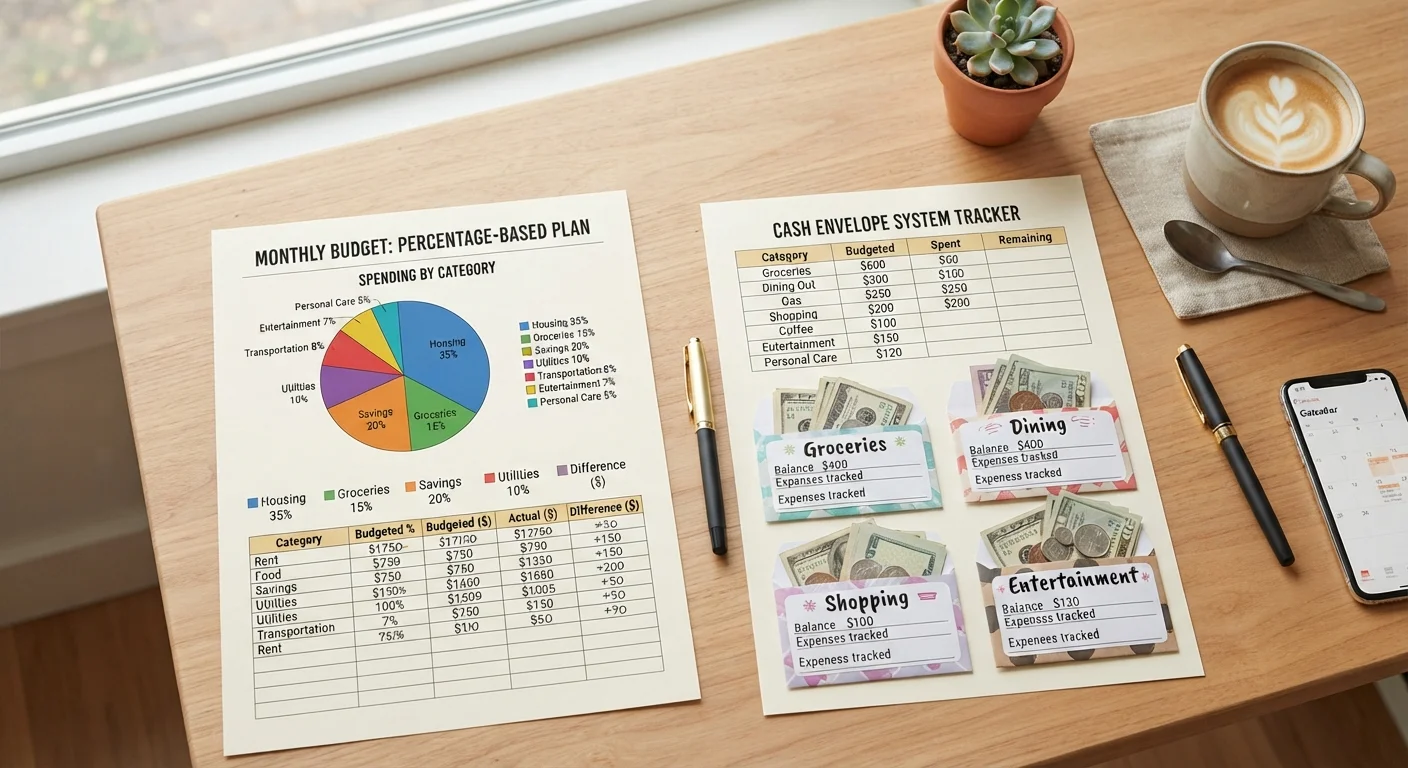
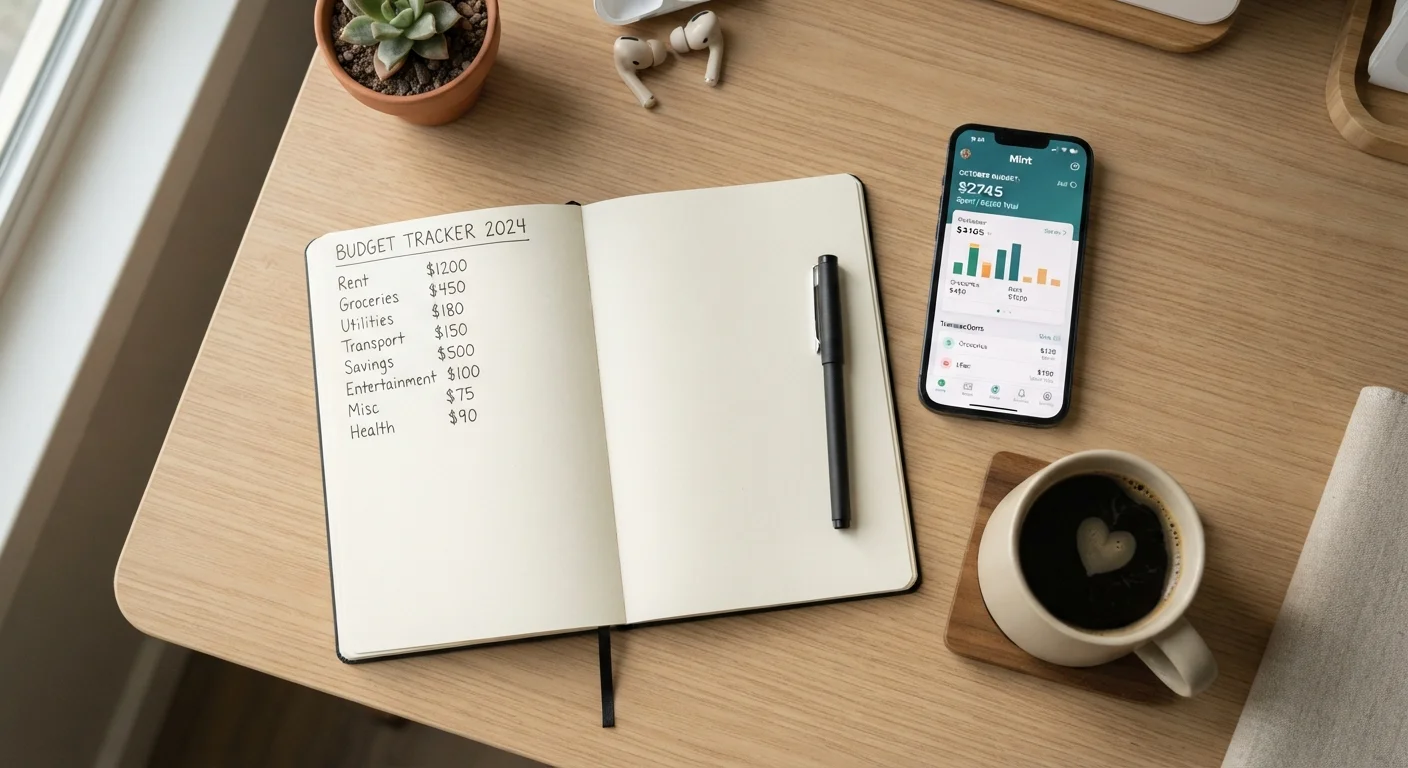
You can't plan for major spending without an honest picture of where your money goes right now. That means categorizing every recurring cost before layering in savings goals.
Start with fixed costs: rent or mortgage, loan payments, insurance premiums, subscriptions. These don't change month to month. Then list variable necessities: groceries, utilities, transportation, medical copays. Finally, account for discretionary spending: dining out, entertainment, clothing beyond basics.
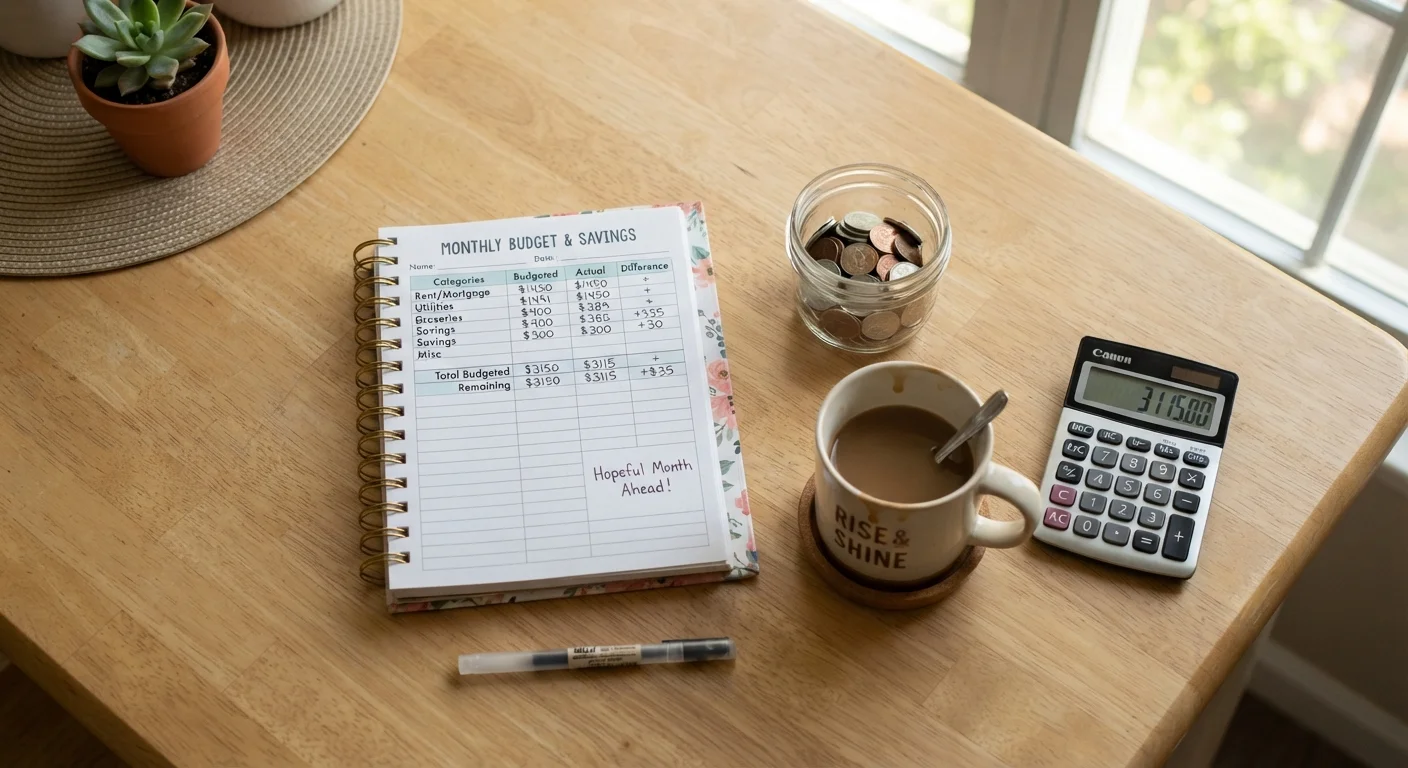
Add all three tiers. Subtract from your net monthly income. The gap - if one exists - is your starting material for any savings goal. If there's no gap, that's equally important information; it tells you that creating room for a big purchase requires reducing spending somewhere, not just redirecting imaginary surplus.
If you haven't yet formalized this process, our spending tracker setup checklist provides a structured month-one framework for categorizing expenses and building the habit. For those on a variable income, budgeting on an irregular income addresses how to establish a reliable baseline when paychecks fluctuate.
Creating a Dedicated Big-Purchase Fund
Once you know your monthly surplus, the most effective mechanism for big-purchase saving is a sinking fund - a named account or envelope where you accumulate money toward a specific goal over time. The name matters: money labeled "car replacement" is psychologically harder to redirect than money sitting in a general savings account.
The math is simple. Estimate the total cost of the purchase, set a realistic target date, and divide. If you want to save $3,600 for a used vehicle down payment within eighteen months, that's $200 per month. Automating that transfer on payday removes the friction of manual decisions each month.
Keep your sinking fund separate from your emergency fund. The logic behind maintaining a separate emergency fund is well-established: blending the two means a single unexpected expense can wipe out months of planned saving.
Name Your Savings Goals Specifically
Labeling a savings account or envelope with the exact goal - "Kitchen Appliances" or "2025 Family Trip" - reduces the temptation to pull from it for unrelated expenses. Many banks and credit unions allow you to create multiple named sub-accounts within a single savings account at no cost. The specificity creates a mild but meaningful psychological barrier against impulsive reallocation.
Prioritizing Competing Goals Without Paralysis
Households rarely have just one major purchase on the horizon. A new HVAC unit, a family vacation, and a laptop replacement can all feel equally urgent. Trying to fund all of them simultaneously at low contribution levels often means none reaches its target on time.
A cleaner approach: rank each goal by two factors - deadline rigidity (must happen by a fixed date vs. flexible) and consequence of delay (safety or function impaired vs. merely inconvenient). A failing water heater outranks a discretionary trip. A trip with a firm event date outranks a flexible appliance upgrade.
Fund your highest-priority goal to its monthly target first. Whatever remains goes to the second priority. This sequential approach feels slower for lower-ranked goals but is more reliable than spreading thin across all of them. Revisit the rankings quarterly - circumstances change, and so should the order.
For readers who haven't yet explored broader budgeting strategies, the hub covers practical frameworks for building the foundation this prioritization depends on.
Staying on Track After the Purchase
After a large purchase, there's a natural temptation to coast - the goal was achieved, the pressure is off. That's also the moment when budgets most commonly drift. If you financed the purchase, a new fixed payment just entered your budget. If you paid cash, the sinking fund is now empty and the next goal is waiting.
Within the first week after the purchase, update your budget to reflect the new reality. Either redirect the sinking fund contribution toward the next goal, or account for the new loan payment in your fixed costs. Don't let the category go to zero and quietly disappear - that's how the next big purchase catches you off guard again.
If you used financing, it's also worth reviewing responsible borrowing habits to make sure repayment stays manageable alongside your ongoing savings goals.
This article provides general financial information for educational purposes only and does not constitute personalized financial, tax, or investment advice. Consult a qualified financial professional for guidance specific to your situation.