
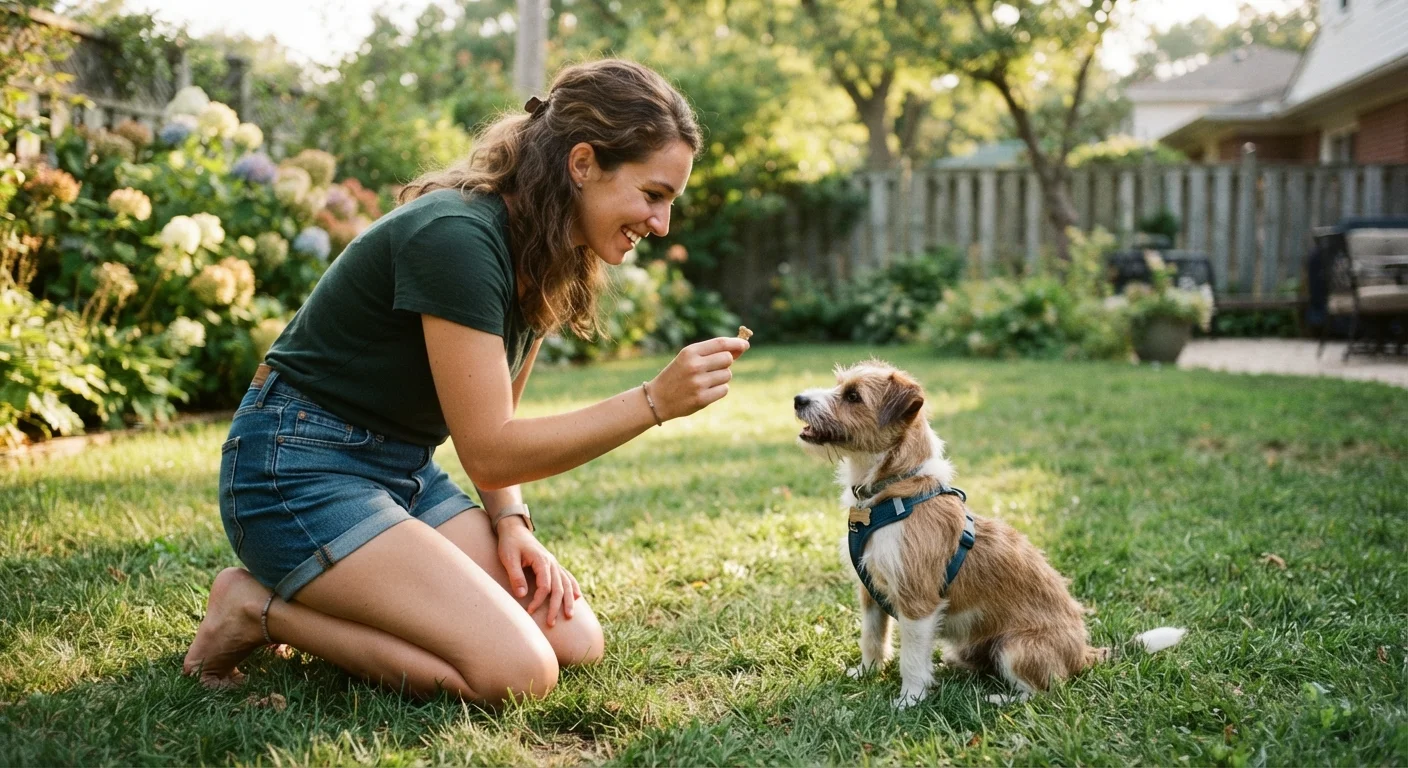
Why Session Structure Matters More Than Duration
Most owners assume longer sessions mean better results. Research in animal learning science tells a different story. Cognitive fatigue sets in quickly for companion animals - particularly during the early stages of learning a new behavior. A dog or cat working through a challenging cue can become distracted, frustrated, or simply disengaged after just a few minutes of focused effort.
The principle at work is called massed versus distributed practice. Distributed practice - multiple short sessions spread across a day or week - consistently produces stronger, more durable retention than a single long block. This mirrors what behavioral scientists have found in human learning as well. For practical guidance on how these principles apply beyond pet training, the behavioral science of habit formation offers useful parallel insights.
For most companion animals, aim for sessions of five to ten minutes, repeated two to three times daily if possible. Puppies, kittens, and senior animals may need even shorter windows. Watch for signs that your pet is mentally checked out - sniffing the ground, looking away, yawning during training, or offering behaviors randomly - and close the session before those signals escalate.
Watch for the "checking out" signals
Before your pet becomes visibly frustrated, they will usually offer subtle signs of mental fatigue - sniffing the floor, looking away, or offering behaviors randomly without waiting for a cue. Recognizing these early means you can end the session on a positive note rather than pushing through and creating a negative association with training.
The Practices That Build Lasting Skills
Structuring sessions well goes beyond simply watching the clock. The following practices reflect broad consensus among certified animal trainers and applied animal behaviorists.
Set a clear behavioral goal for each session before you begin.
Unfocused sessions drift into repetition of already-mastered behaviors or introduce too many new concepts at once. Having a single, defined objective keeps both you and your pet on task and makes it easier to recognize when to stop. It also helps you track genuine progress over time.
Deliver reinforcement within one to two seconds of the desired behavior.
The timing window for effective positive reinforcement is narrow. A reward delivered three or four seconds after a behavior is less likely to strengthen that specific action, and may accidentally reinforce whatever the animal was doing when the treat arrived. Precise timing is one of the most impactful variables in training.
Always end each session with a behavior your pet can perform successfully.
Finishing on a failure or a frustrating repetition leaves the session on a negative emotional note, which can reduce a pet's willingness to engage in future sessions. Closing with a known, easy behavior - sometimes called a "win" - builds positive associations with the training context itself.
Vary practice environments systematically, starting with the lowest distraction level.
Practicing only in one location limits a pet's ability to generalize the behavior to real-world situations. Moving through progressively more complex environments - from a quiet room to the backyard to a park - teaches the animal that the cue means the same thing regardless of context.
Keep reinforcement schedules aligned with the stage of learning.
Continuous reinforcement - rewarding every correct response - is appropriate when introducing a new behavior. Once the behavior is established, shifting to a variable reinforcement schedule can maintain it more durably. Continuing to reward every repetition indefinitely is not necessary and can make behaviors more fragile if rewards are ever unavailable.
Generalization: The Step Most Owners Skip
A pet that performs a reliable sit in the kitchen may appear to forget everything the moment you step into a parking lot. This is not stubbornness - it is how animal learning works. Animals tend to learn behaviors in context, a phenomenon trainers call stimulus control specificity. The cue, the environment, the handler's body language, and even the time of day can all become part of what the animal associates with the expected behavior.
Deliberate generalization - practicing known behaviors in new locations, with new people present, and at varying distances - is how you bridge that gap. Begin in low-distraction environments and add complexity gradually. If your pet's response degrades in a new setting, that is useful information: it means the behavior needs more practice in that context, not that the animal has "forgotten" the skill.
Regression in a new environment is normal
If your pet's performance drops when you change locations, resist the urge to increase pressure or repeat the cue multiple times. Simply reduce the difficulty - move closer, lower the distraction level, or ask for an easier version of the behavior - and rebuild from there. What looks like regression is actually the normal process of generalization in progress.
For owners working with species beyond dogs, the strategies for generalization and session structure vary in meaningful ways. Our overview of training across species explains how cats, rabbits, and birds approach learning differently.
Putting It Into Practice: Quick Wins to Start Today
Understanding the principles is the first step; implementing them is where results come from. Before your next session, take a moment to review the core training signals that underpin effective communication with your pet. Then apply one or two of the adjustments below - small changes to session structure often produce noticeable improvements within a week.
If you are just getting started or reassessing your approach, the pet owner's readiness checklist covers goal-setting and tool selection before the first session. And if you are weighing the value of professional guidance, our comparison of group classes versus private sessions can help you decide which format fits your pet's temperament and your schedule.