How the Two Formats Work
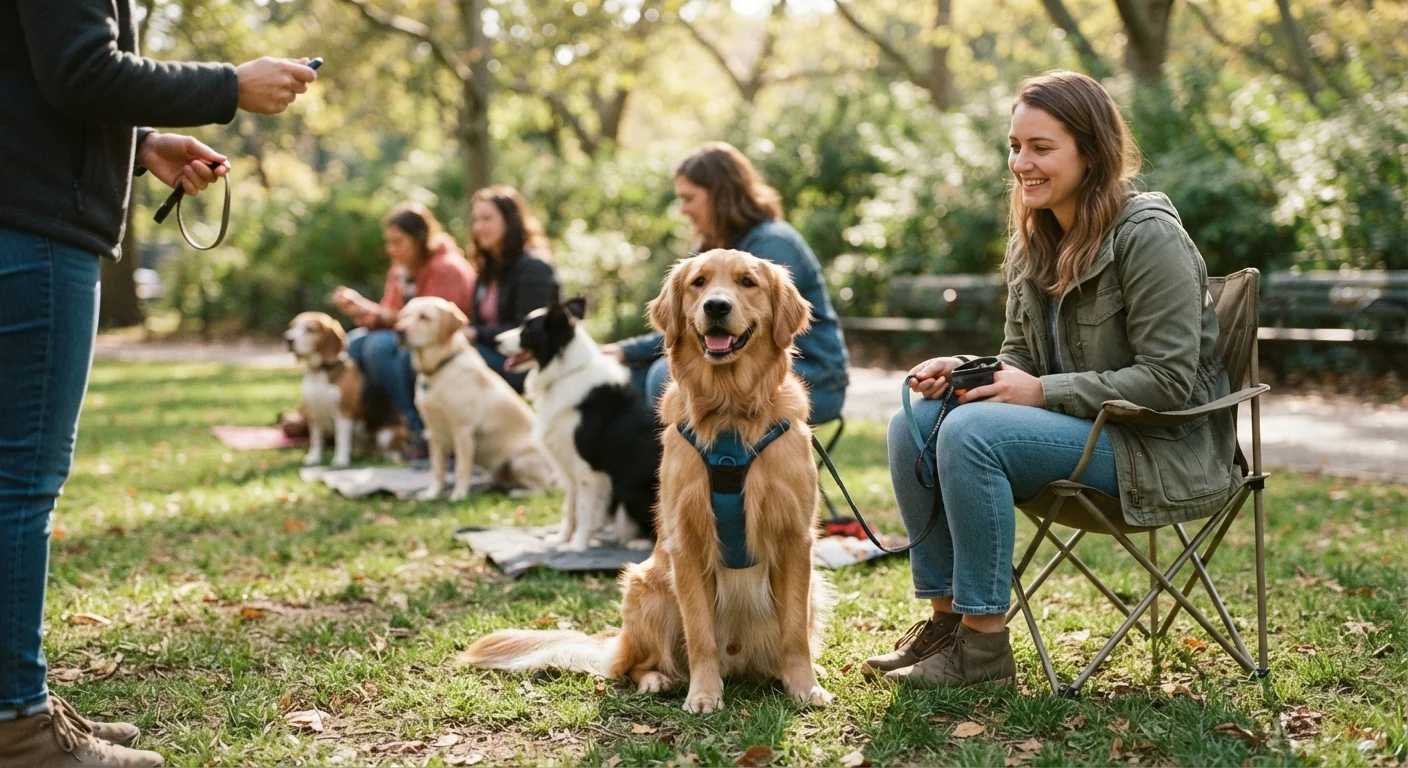
Group classes typically bring together several pets and their owners under the guidance of one or more trainers. Sessions often run four to eight weeks and cover foundational skills - sit, stay, loose-leash walking, and recall - in a structured curriculum. The group environment exposes pets to real-world distractions, which can be enormously valuable for generalizing skills beyond the living room.
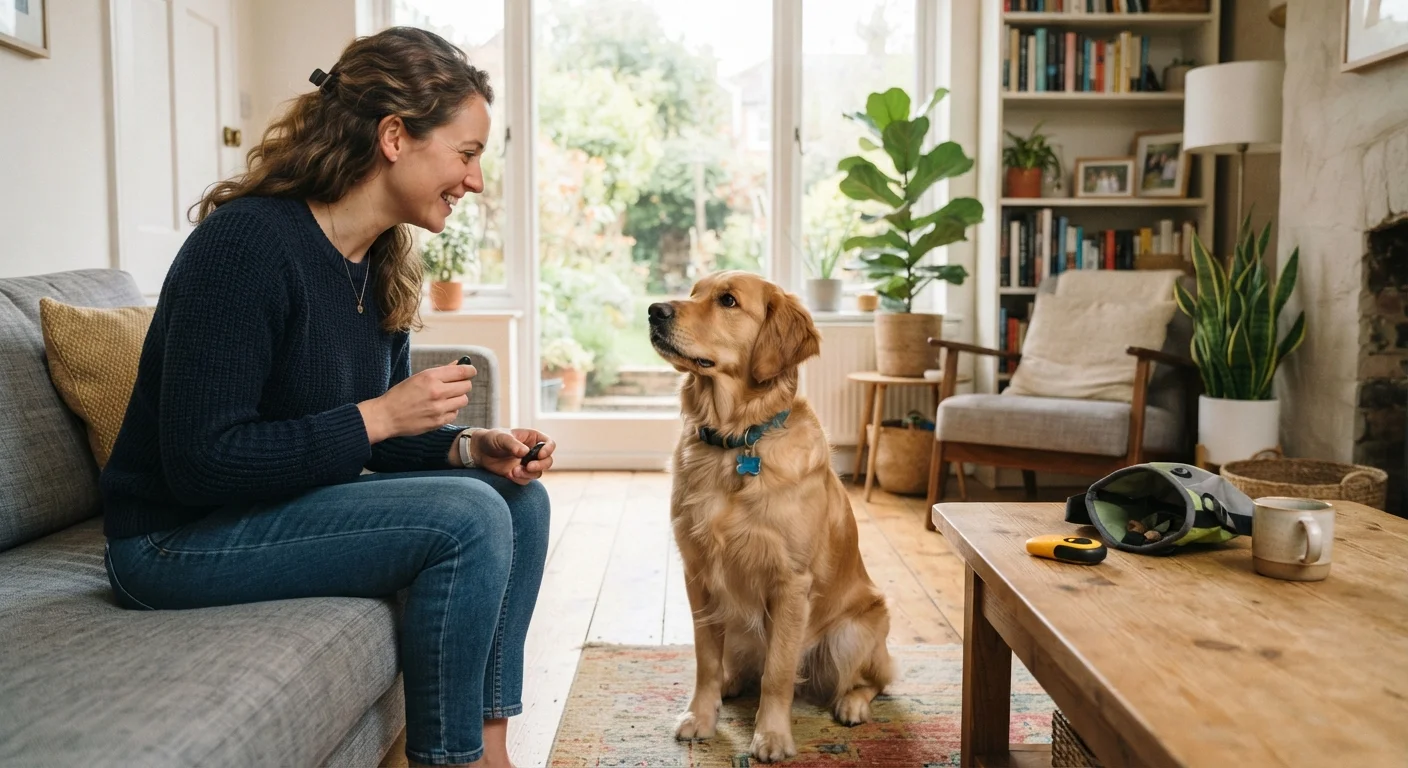
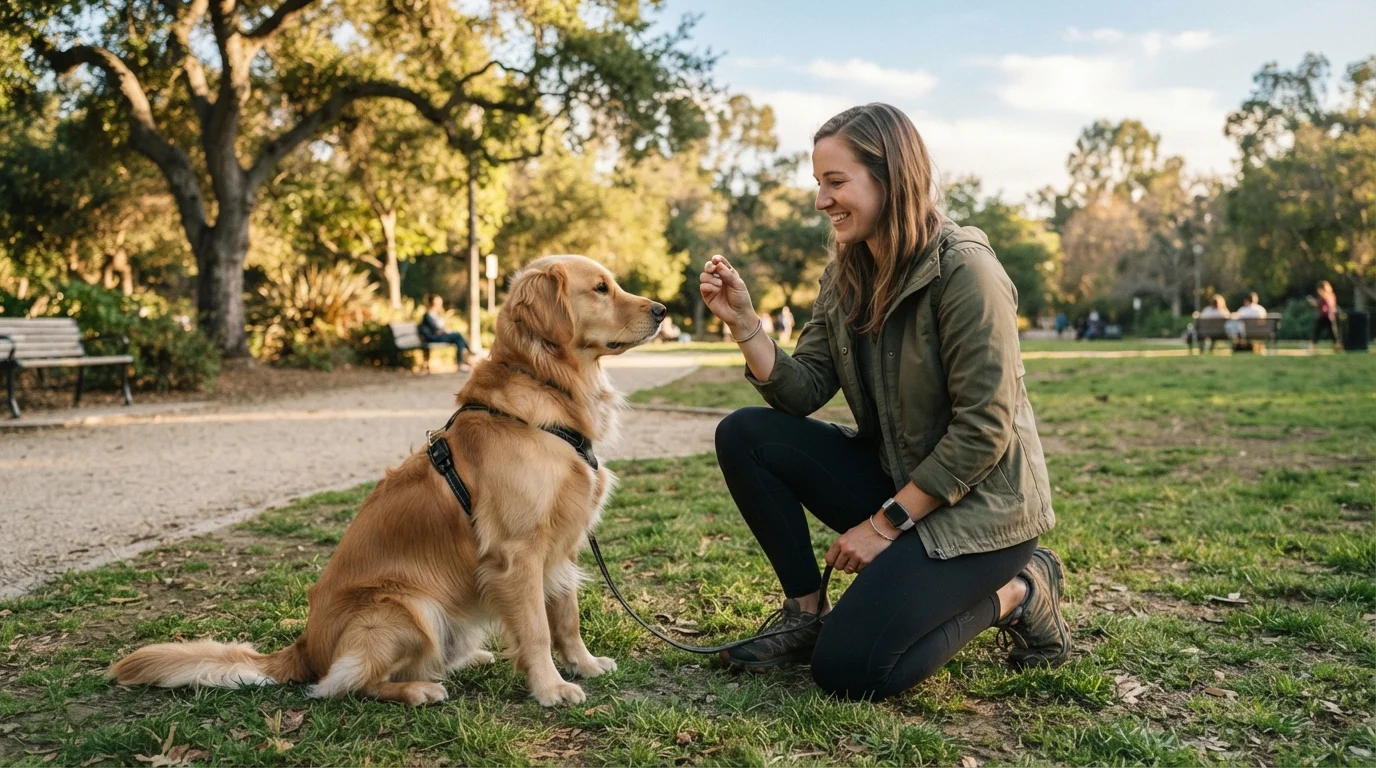
Private training sessions, by contrast, involve one-on-one time between a trainer, the pet, and the owner. These can take place at home, in a neutral location, or at a training facility. Because the trainer's attention is undivided, sessions can be tailored precisely to the pet's current challenges, pace, and history. Before you choose either format, it helps to review what to prepare before your first session - from setting realistic goals to understanding your pet's baseline behavior.
The Case for Group Classes
Group classes offer benefits that private sessions simply cannot replicate. The most significant is socialization. Puppies and young pets that practice commands near other animals and unfamiliar people learn to focus despite distractions - a skill that matters in parks, veterinary waiting rooms, and on daily walks.
There's also a community dimension. Owners share progress, frustrations, and humor with peers in similar situations, which can sustain motivation across a multi-week program. For many families, the lower per-session cost of group classes also makes consistent attendance more feasible.
Group classes are generally well-suited for:
- Puppies or kittens completing early socialization windows
- Pets with good baseline temperament seeking foundational manners
- Owners who benefit from structured, instructor-led curriculum
- Situations where peer learning and accountability are motivating
| Group Classes | Private Training Sessions | |
|---|---|---|
| Cost | Lower per-session cost | Higher per-session cost |
| Socialization opportunity | High - built into the format | Low - limited to trainer and owner |
| Customization | Fixed curriculum for all pets | Fully tailored to your pet |
| Best for behavioral issues | Limited - group may overwhelm pet | Strong - focused, safe environment |
| Schedule flexibility | Fixed class schedule | Flexible, arranged individually |
| Trainer attention | Shared across all participants | Undivided throughout session |
| Ideal life stage | Puppies and socialized adults | Any age, especially reactive pets |
The Case for Private Training
Private sessions become the stronger choice when a pet's needs exceed what a group setting can safely or practically address. A dog with leash reactivity, for example, may struggle to learn anything useful when surrounded by other dogs - the distraction level overwhelms the pet before any productive work can begin.
Private trainers can also observe your pet's behavior in context. An in-home session, in particular, allows the trainer to see exactly how a pet responds to their own triggers and environment, leading to more targeted guidance. For complex behavioral concerns - resource guarding, separation anxiety, or fear-based responses - private sessions allow the slow, careful desensitization that group settings rarely permit.
Private training also works well when owner schedules are unpredictable or when very specific skills need rapid development. It's worth understanding how different training philosophies approach behavior so you can ask informed questions when evaluating trainers.
Ask About Trainer Credentials
When evaluating either format, look for trainers certified by recognized professional bodies such as the Certification Council for Professional Dog Trainers (CCPDT) or the International Association of Animal Behavior Consultants (IAABC). Credentials signal a commitment to continuing education and adherence to humane, science-based standards. Don't hesitate to ask a prospective trainer about their methods and how they handle a pet that's struggling - their answers will tell you a great deal.
Factors to Weigh When Deciding
Before committing to either format, consider the following dimensions honestly:
- Temperament
- Is your pet calm and curious around strangers and other animals, or anxious, reactive, or easily overwhelmed? Reactive or fearful pets often need the safety of private work first.
- Training goals
- Basic manners and socialization translate well to group settings. Specific behavioral modification or advanced skill-building usually warrants private instruction.
- Your own learning style
- Some owners absorb techniques more readily when they can ask questions directly and receive real-time feedback. Others thrive in a group curriculum with clear weekly milestones.
- Schedule flexibility
- Group classes run on fixed schedules; private sessions can often be arranged around your availability.
Many experienced trainers recommend starting with an evaluation session - sometimes offered at no charge - to help you understand which format fits. Understanding how your pet signals stress or readiness also matters; see core training signals every owner should recognize for a helpful reference.
Combining Both Approaches
The choice between group and private training is rarely permanent. Many owners use private sessions to address a specific problem or build confidence, then transition to a group class once their pet is ready for that environment. Others begin with a group class and add private sessions when they identify a skill that needs deeper work.
For the best long-term outcomes, the format matters less than consistency of practice and the quality of the trainer's methods. Look for trainers who rely on evidence-based, humane approaches - positive reinforcement, clear communication, and patience. For guidance on structuring practice at home between sessions, see what trainers recommend for durable learning. If you have a non-dog pet, training principles vary across species in ways worth understanding before selecting a format.
This article is for general informational purposes only and is not a substitute for professional behavioral or veterinary advice. If your pet displays aggression, severe anxiety, or other serious behavioral concerns, consult a qualified veterinary behaviorist or certified professional trainer.