
The Shared Foundation: Operant Conditioning Across Species
Whether you're teaching a Labrador to sit or a cockatiel to step up, the same behavioral principles apply. Operant conditioning-reinforcing desired behaviors so they're more likely to recur-forms the backbone of humane training for all common household pets. The distinction lies in how each species perceives, processes, and responds to reinforcement.
Dogs have been selectively bred for thousands of years to read human cues, making them unusually attuned to eye contact, gesture, and vocal tone. Cats, birds, and rabbits respond to the same reinforcement mechanics, but without that same evolutionary history of human-directed cooperation. This doesn't make them harder to train-it means the trainer must become more fluent in the animal's own signals.
For a deeper dive into the behavioral science underpinning these methods, see the science behind how dogs learn, which covers classical and operant conditioning in accessible terms. You may also want to revisit common pet training myths before investing time in approaches that behavioral research has largely discredited.
Species-by-Species: How Each Animal Learns
| Dogs | Cats | Rabbits | Birds | |
|---|---|---|---|---|
| Primary motivation | Social praise + food | Food (high-value treats) | Food (leafy greens, pellets) | Food + social interaction |
| Ideal session length | 5-15 minutes | Under 5 minutes | 2-4 minutes | 3-5 minutes |
| Marker training suitability | Excellent | Excellent | Good | Excellent |
| Sensitivity to trainer stress | Moderate | High | Very high | Very high |
| Complexity ceiling | Very high | Moderate | Low-moderate | High (species-dependent) |
| Trust-building phase needed | Moderate | Moderate | Significant | Significant |
Dogs
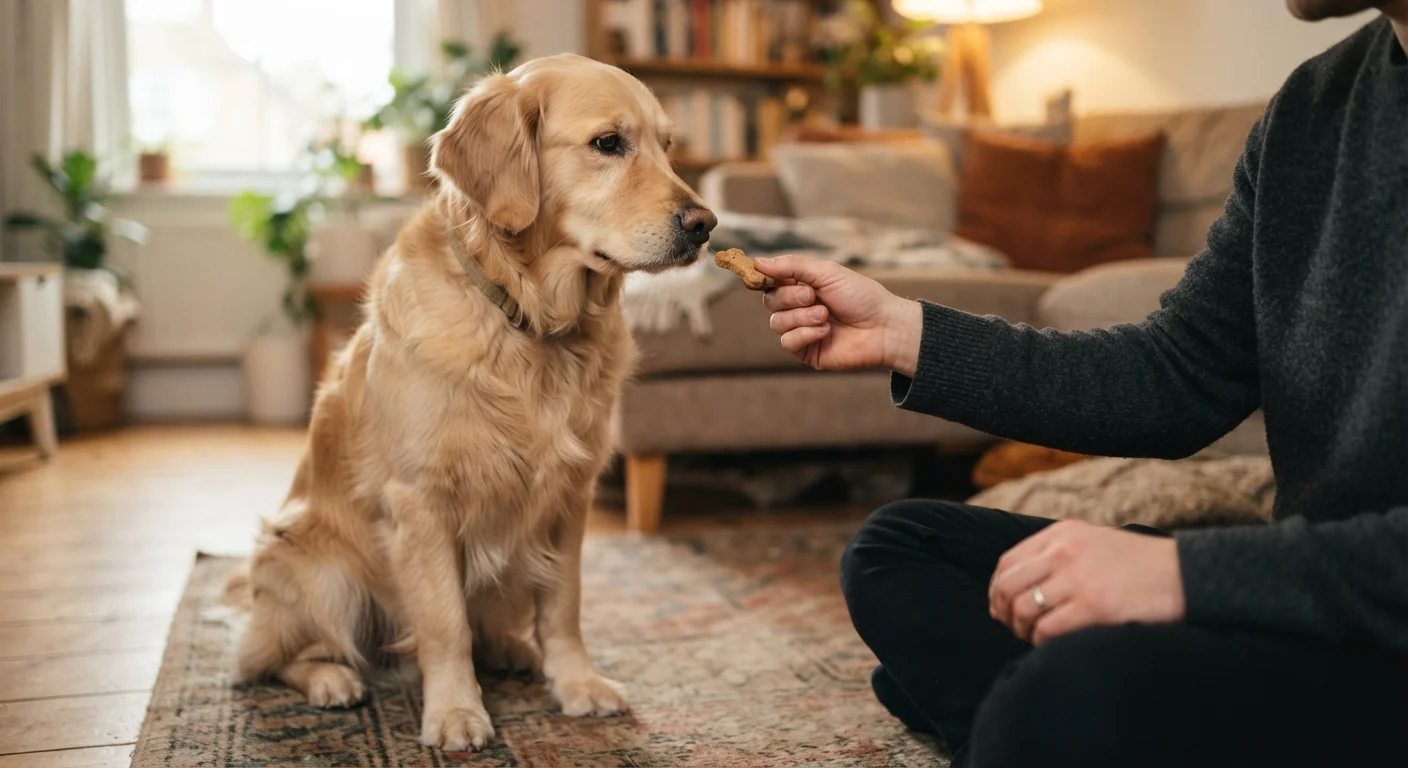
Dogs thrive with consistent verbal cues, hand signals, and social praise alongside food rewards. Session lengths of five to fifteen minutes work well, and most dogs tolerate daily repetition. Their social nature means they actively seek interaction, which doubles as motivation.
Cats
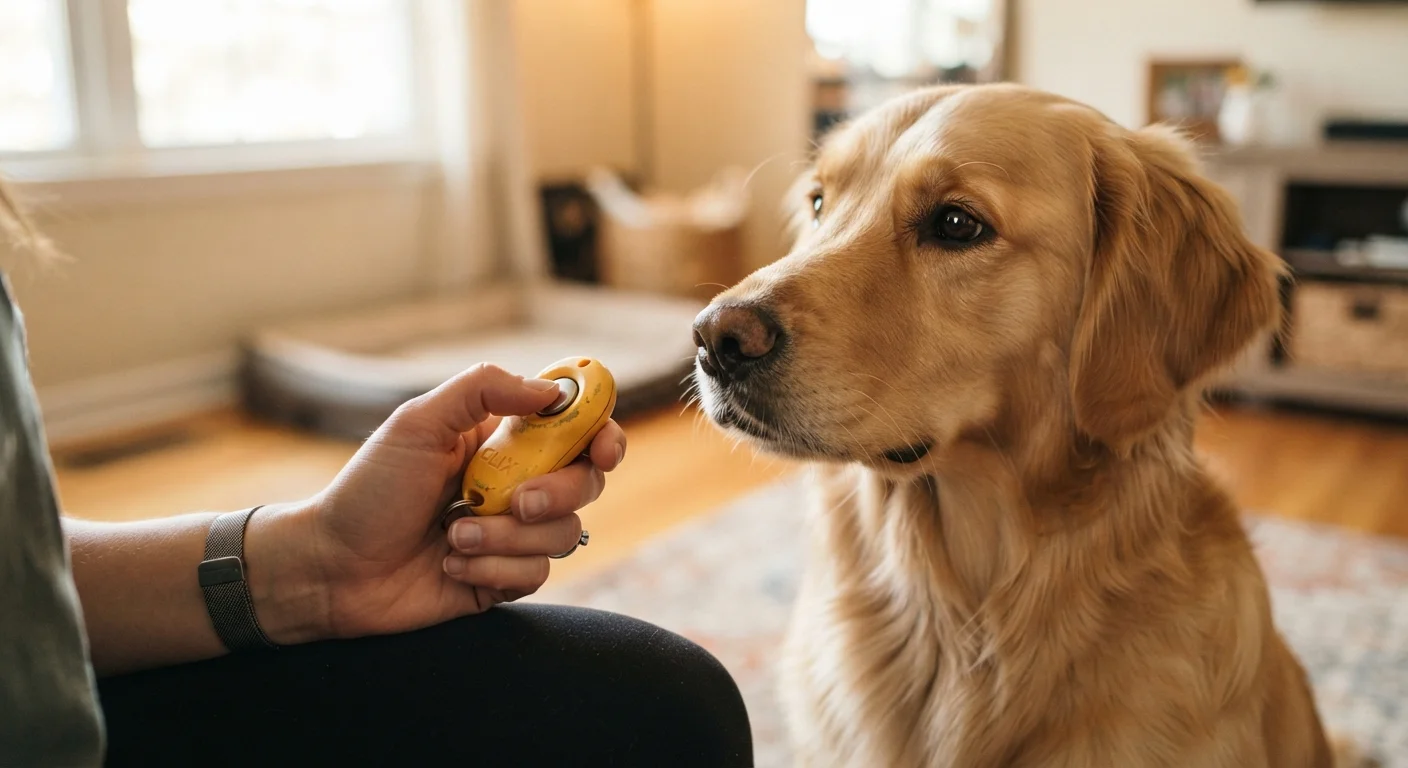
Cats learn effectively through marker training-a clicker or short verbal marker followed immediately by a high-value food treat. Sessions should stay under five minutes, and training works best when initiated by the cat showing interest rather than being forced. Cats are more sensitive to environmental stressors, so a calm space is non-negotiable.
Rabbits
Rabbits are prey animals whose stress responses are easily triggered. Short, positive sessions focused on targeting (touching a hand or stick with their nose) and litter habits yield reliable results. Rabbits rarely seek human interaction unprompted, so earning their trust through calm handling comes before any formal training. Food rewards-a small piece of leafy green or a fragment of pellet-work well given their herbivore palate.
Birds
Parrots and other trainable bird species are highly socially motivated and, in many cases, exceptionally food-motivated. Step-up (perching on a hand) is typically taught first. Birds can learn a wide vocabulary of behavioral cues and some species demonstrate genuine problem-solving ability. However, they are sensitive to emotional tone-a trainer showing frustration can set back progress significantly. Clicker training vs. verbal marker training is a useful read for bird owners deciding which marking method suits them.
Session Structure and Realistic Timelines
One area where species differences become very practical is session length and frequency. Dogs can sustain focus longer and generally benefit from daily structured sessions. Cats and birds do best with brief, frequent interactions-three to five minutes, multiple times per day if possible. Rabbits benefit from even shorter windows, especially early in the relationship.
Across all species, ending a session on a successful repetition matters. Stopping before the animal disengages or shows stress signals preserves motivation for the next session. Structuring practice for long-term results outlines how timing and environment affect retention-the guidance there translates well beyond dogs.
Match Your Reward to the Species
For cats and rabbits, food rewards must be tiny-no larger than a pea-to avoid disrupting their diet or causing digestive upset. Birds have very specific dietary needs, so consult your avian vet before introducing training treats regularly. Always factor training rewards into your pet's daily food intake rather than adding on top of it.
Progress timelines vary considerably. A dog may reliably respond to a new cue after twenty to forty repetitions spread over several days. Rabbits may take several weeks to litter-train reliably; birds' timeline for stepping up consistently can range from days to weeks depending on prior handling history and individual temperament. Avoid comparing your pet's pace to another animal's or another species'.
Where Humane Methods Matter Most
Reward-based methods aren't just kinder-they're more effective across all four species. Aversive techniques (punishment, startling, forced handling) can suppress behavior in the short term while creating lasting fear responses, particularly in prey species like rabbits. Birds exposed to coercive training frequently develop feather-destructive behaviors or chronic stress. Cats subjected to punishment often simply disengage from training entirely.
The research is consistent: reward-based training vs. correction-based training reviews what the evidence shows for each approach. For non-dog species in particular, there is essentially no behavioral justification for correction-based methods in companion animal training.
If a pet's behavior is escalating, involves aggression, or appears rooted in fear or anxiety, consulting a certified animal behaviorist or a veterinarian with behavioral expertise is the appropriate next step-not escalating training intensity.
This article is for general educational purposes and does not substitute for professional veterinary or animal behavior advice tailored to your individual pet.