Why Preparation Matters Before Training Begins
Walking into your first training session without preparation is one of the most common reasons owners feel stuck after only a few tries. Training isn't just about teaching commands - it's about building a communication system between you and your pet. That system works best when both of you are ready.
This checklist is designed to help you audit your environment, your tools, your knowledge, and your pet's health before you invest serious time and energy in structured sessions. Whether you have a new puppy, a recently adopted adult dog, or a cat you'd like to work with on basic behaviors, these steps apply broadly across species and starting points.
For a deeper look at what training actually involves once you've begun, see The Complete Picture on Pet Training, which covers techniques, life stages, and how to handle setbacks humanely.
Health and Wellness Baseline
Goals and Expectations
Tools and Supplies
Environment and Schedule
Knowledge and Approach
Tools, Environment, and Your Pet's Readiness
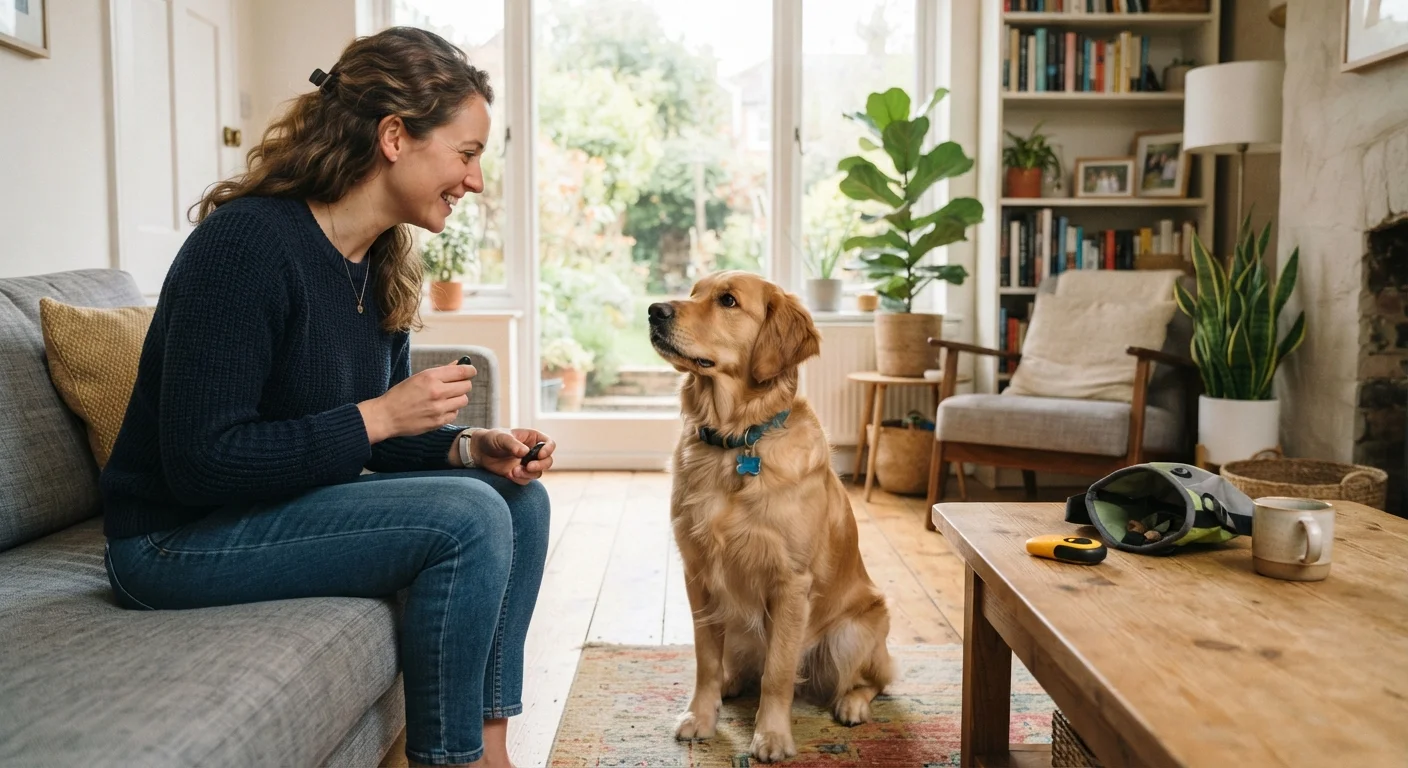
Having the right tools doesn't mean spending a lot - it means knowing what you need before you need it. A training session that stops midway because you've run out of treats, or because your pet is clearly stressed or distracted, teaches your pet that sessions are unpredictable. Consistency is one of the most powerful forces in behavior learning.
High-value training treats
Used as the primary reward during sessions to reinforce desired behaviors quickly and clearly.
Clicker or verbal marker
Marks the exact moment a correct behavior occurs, bridging the gap between action and reward delivery.
Treat pouch or dispenser
Keeps rewards immediately accessible so you can reinforce behavior within the critical one-to-two-second window.
Properly fitted collar or harness
Provides safe, comfortable control during leash-based training exercises without causing discomfort.
Favorite toy or tug
Serves as an alternative non-food reward for pets who are play-motivated rather than treat-motivated.
Training log or notebook
Tracks which cues have been introduced, your pet's progress, and patterns in what's working or stalling.
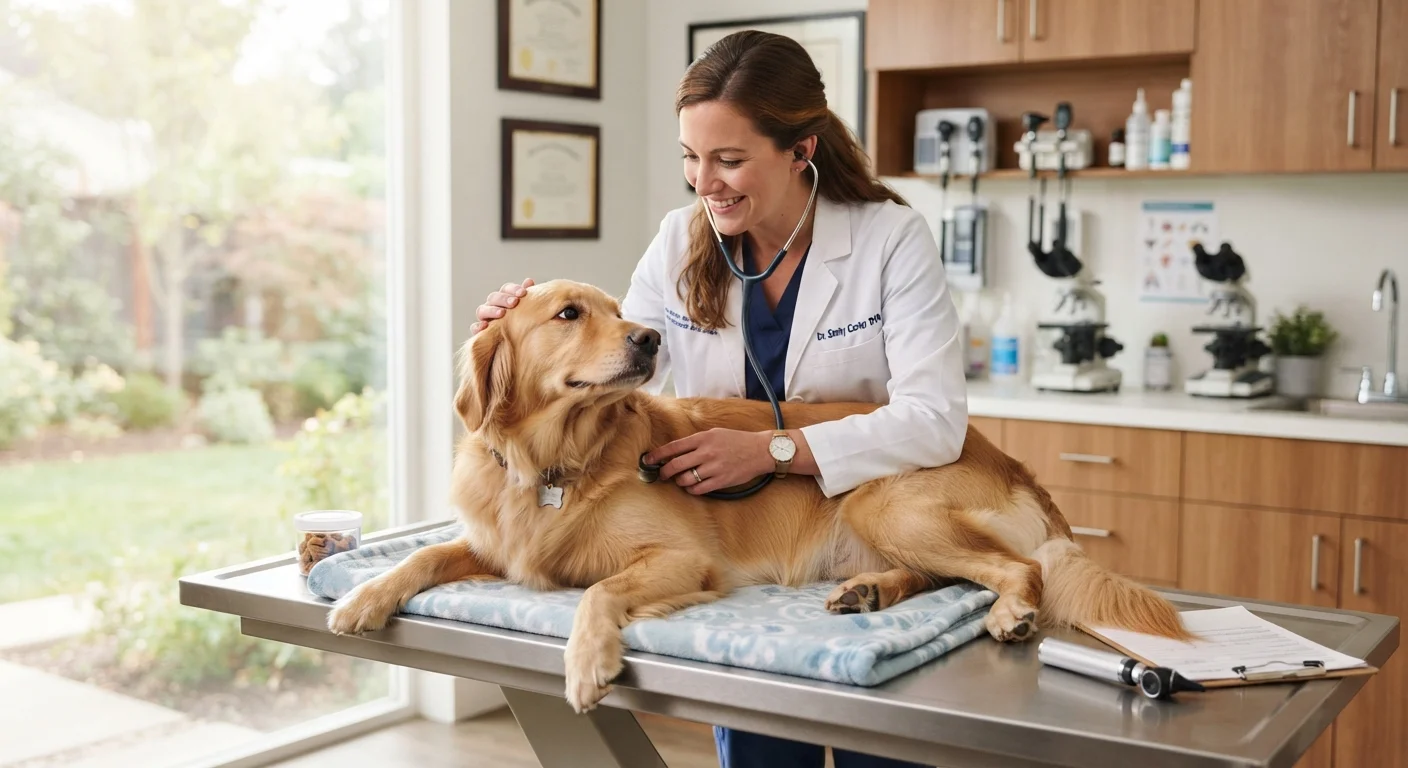
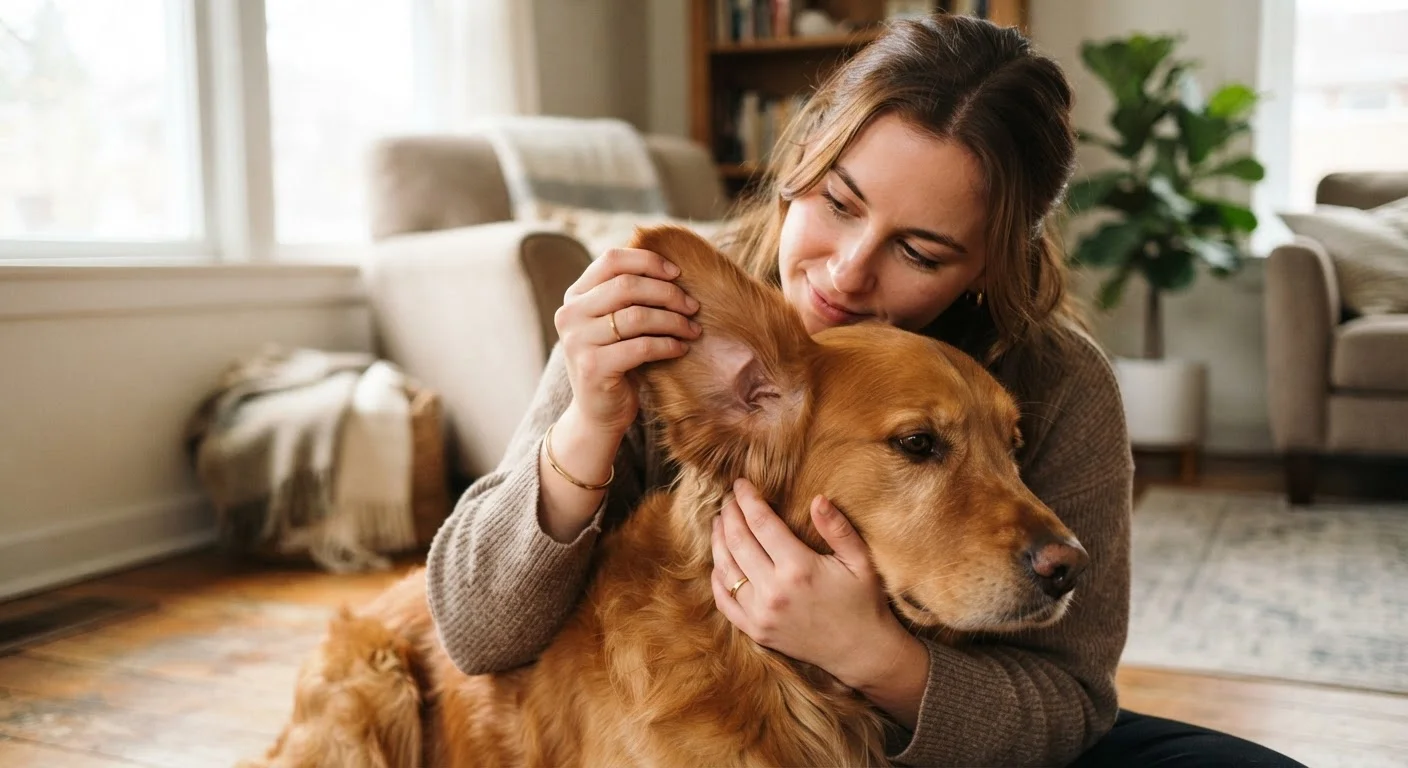
Your pet's physical health is also a non-negotiable starting point. Pain, illness, or sensory impairment can look like stubbornness or disobedience. A pet with an undiagnosed ear infection, for example, may not respond reliably to verbal cues. Before beginning a training program, schedule a wellness visit. Our article on what happens during annual vet visits explains what your vet will assess and how to prepare your pet for the appointment.
Nutrition also plays a role. Treats are a primary training currency, and understanding your pet's dietary needs helps you choose rewards that motivate without disrupting balanced feeding. For guidance on that, explore our Pet Nutrition hub.
Avoid Skipping the Health Check
Behavioral problems that look like stubbornness - ignoring commands, snapping, reluctance to move - can sometimes stem from underlying physical discomfort or pain. Starting an intensive training program with an unwell or hurting pet can cause setbacks and erode trust. Always rule out medical causes with a vet before attributing a behavior to temperament or attitude.
Finally, take a few minutes to learn the basics of your pet's body language before your first session. Recognizing signs of stress, overstimulation, or disengagement - flattened ears, yawning, turning away, a tucked tail - allows you to end sessions at the right moment and protect the trust you're building. You can also incorporate at-home observation into your routine using the framework in at-home pet health checks.
This article provides general educational information for pet owners and is not a substitute for guidance from a licensed veterinarian or certified animal behaviorist. Always consult a qualified professional for concerns specific to your pet's health or behavior.