
Why Training Matters Beyond Basic Obedience
Many owners frame training as a checklist - sit, stay, come - but the scope is considerably broader. Consistent training builds a shared language between pet and owner, reduces anxiety in unfamiliar situations, and can meaningfully improve an animal's quality of life. The American Veterinary Society of Animal Behavior (AVSAB) recognizes behavioral problems as a leading cause of pet relinquishment, underscoring that a trained pet is also a more likely lifelong companion.
Training also delivers cognitive enrichment. Problem-solving exercises and learning new cues stimulate the brain, which matters particularly for high-energy dogs, parrots, and other intelligent species. If you're curious how these principles extend beyond dogs, see our guide on training across dogs, cats, rabbits, and birds.
Before beginning any formal program, it helps to honestly assess your household's readiness - tools, time, and goals. Our pet owner's readiness checklist walks through those essentials.
Core Training Methods Explained
Several distinct approaches exist, and understanding the differences helps owners choose what fits their pet's temperament and their own comfort level.
Positive Reinforcement
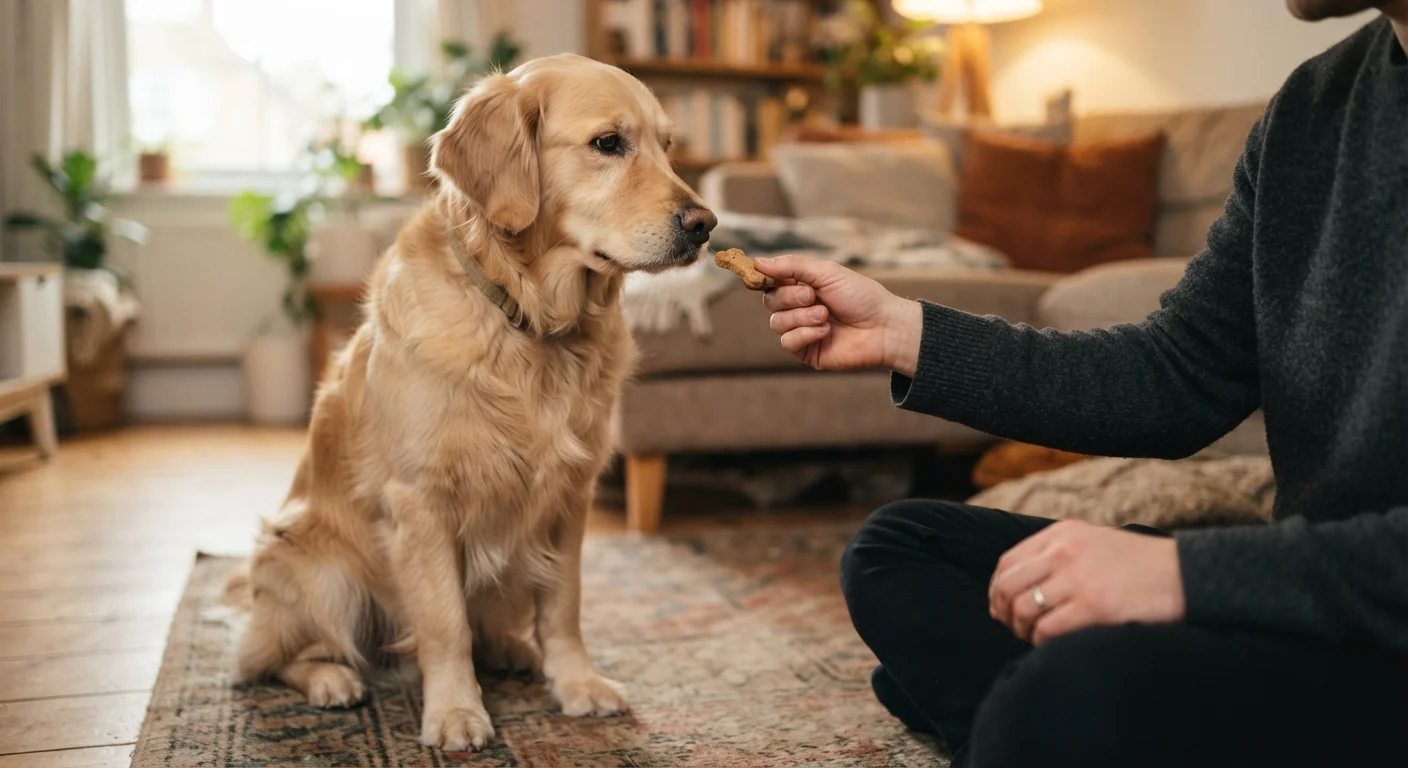
This method rewards desired behavior with something the animal values - food, play, or praise - immediately following the behavior. The animal learns that performing that action produces a good outcome, increasing the likelihood of repetition. The AVSAB and most veterinary behaviorists consider positive reinforcement the foundational approach because it carries the lowest risk of fear or aggression side effects.
Classical Conditioning
Rather than teaching specific behaviors, classical conditioning changes how a pet feels about a stimulus. Pairing something neutral (a veterinary tool, a stranger's hand) with something the pet already enjoys can shift an anxious response toward a calm one. It is often used alongside operant methods when working with fearful animals.
Marker Training (Clicker Training)
A distinct sound - traditionally a clicker - is paired with a reward until the sound itself signals "that was correct." The marker bridges the gap between the moment of correct behavior and delivery of the reward, making timing more precise. This precision is especially useful for complex behaviors or distance work.
Always end a training session on a successful repetition - even if you need to make the task easier to guarantee success. This keeps the association between training and positive outcomes strong for your pet.
Animals form associative memories around sessions; a frustrated ending can create avoidance of future training contexts, undermining cumulative progress.
When introducing a new cue, pair the verbal label only after the pet is reliably performing the behavior - not while you are still shaping it. Adding words too early attaches them to incomplete or incorrect versions of the behavior.
This sequencing error is among the most common mistakes in home training and a primary reason cues fail to generalize reliably across environments.
Approaches to Avoid
Methods relying primarily on aversive stimuli - physical corrections, shock, intimidation - are associated with increased fear, aggression, and stress in research literature. Several professional organizations, including the Certification Council for Professional Dog Trainers, actively discourage their use. Distinguishing evidence-based methods from myth-driven ones is covered in depth in our article on common pet training myths.
Realistic Timelines by Life Stage
There is no universal timeline for training, but life stage provides a useful frame for setting expectations.
5-10 min
Ideal session length for most pets
Behavioral researchers and certified trainers consistently recommend short, frequent sessions over extended ones to maintain focus and prevent fatigue.
~80%
Of relinquishments tied to behavioral issues
The AVSAB notes that behavioral problems are among the most cited reasons owners surrender pets to shelters, highlighting training's role in keeping pets in homes.
3-4 weeks
Typical window to see early behavior shift
Many trainers observe initial, measurable behavior change within a few weeks of consistent daily practice, though full reliability takes considerably longer.
Puppies and Kittens (8 Weeks - 6 Months)
This is a critical socialization window. Exposure to varied people, surfaces, sounds, and situations during this period shapes long-term behavioral flexibility. Basic foundation cues (name recognition, sit, recall) can begin as early as 8 weeks. Sessions should be kept very short - two to five minutes - because attention spans are limited.
Adolescents (6 - 18 Months, Species-Dependent)
Adolescence is characterized by hormonal changes, increased distractibility, and a tendency to "forget" previously reliable behaviors. Owners often interpret this as stubbornness, but it reflects neurological development. Consistency, management of the environment, and avoiding high-stakes situations while skills re-solidify are the practical priorities here.
Adult Pets
Adult animals can absolutely learn new behaviors - the popular idea that older pets cannot be trained is not supported by behavioral science. Progress may require more patience with deeply ingrained habits, but the same reinforcement principles apply. Adults often have longer attention spans than juveniles, which can be an advantage.
Senior Pets
Training goals may shift toward maintenance, enrichment, and accommodating physical limitations. If a senior pet shows sudden behavioral changes, a veterinary evaluation should precede any behavioral intervention to rule out underlying health causes. See our pet health hub for context on age-related health considerations.
Working Through Setbacks Humanely
Regression is a normal part of learning, not a sign of failure. When a pet that previously performed a behavior reliably begins to struggle, the most productive first question is: what changed? Common contributors include new environments, schedule disruptions, illness, pain, or criteria that have been raised too quickly.
Rule Out Physical Causes First
Sudden behavioral changes - especially in a previously well-trained adult or senior pet - can indicate pain, cognitive decline, or an underlying medical condition. Before attributing regression to a training problem, consult your veterinarian. Treating a health issue as a behavioral one delays necessary care and is unlikely to resolve the behavior.
Practical Steps for Getting Back on Track
- Lower the difficulty temporarily. Return to a simpler version of the behavior where the pet can succeed. Success generates momentum.
- Assess for physical causes. Pain or illness can mimic training problems. If a dog that once loved jumping into a car suddenly refuses, a veterinary check is warranted before assuming it is behavioral.
- Review your reinforcement rate. If the reward schedule became too lean too quickly, increase it again before fading.
- Shorten sessions. Fatigue and frustration - in both pet and owner - erode progress. Ending on a successful repetition, however easy, preserves a positive association with training.
Consistency across all household members matters enormously during setback periods. Mixed signals about rules genuinely slow learning; a brief household conversation about unified expectations is often the simplest fix.
When to Seek Professional Guidance
Most foundational training can be accomplished by a committed owner, but certain situations benefit from professional input. Behaviors involving aggression, severe fear, compulsive patterns, or any safety risk to people or other animals warrant consultation with a qualified professional - either a certified applied animal behaviorist (CAAB) or a board-certified veterinary behaviorist (Dip ACVB), depending on the severity.
When the concern is general skill-building rather than behavior problems, the choice between group classes and private sessions becomes relevant. Both formats have genuine advantages depending on your pet's temperament, social history, and your specific goals. Our guide comparing group classes vs. private training sessions can help you decide what fits.
When evaluating any trainer, look for credentials from recognized organizations (CPDT-KA, IAABC, or veterinary behavioral board certification), transparent explanations of methods used, and a willingness to answer questions about their approach. A qualified professional should never pressure you to use methods that make you uncomfortable or that your pet visibly finds distressing.
Training is a long-term investment in your pet's wellbeing and your shared relationship. Grounded expectations, humane methods, and a willingness to adapt as your pet grows and changes are the elements that produce lasting results.
This article is for general educational purposes only and is not a substitute for professional veterinary or behavioral advice. If your pet is showing signs of distress, illness, or dangerous behavior, consult a qualified veterinarian or certified animal behaviorist.