The Core Difference: Moisture Content and Why It Matters
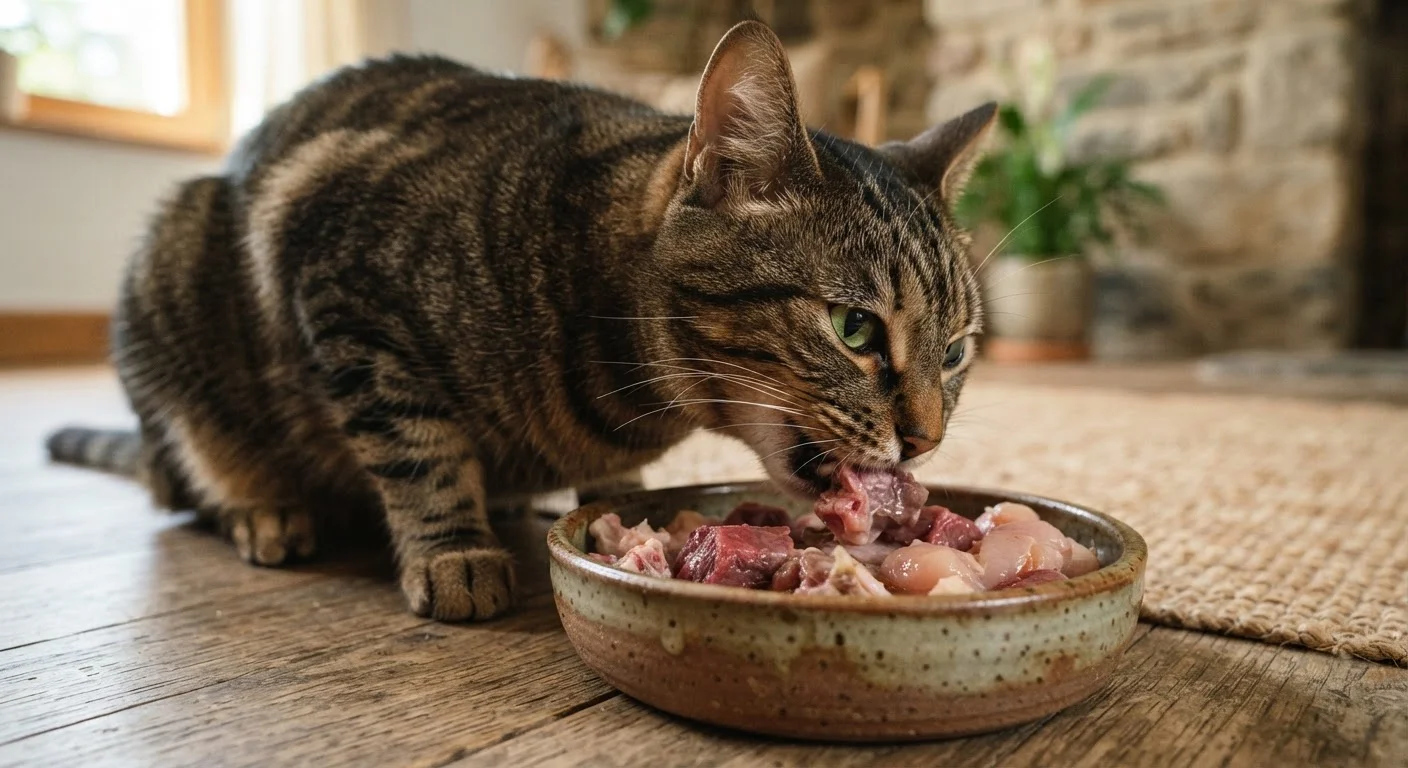
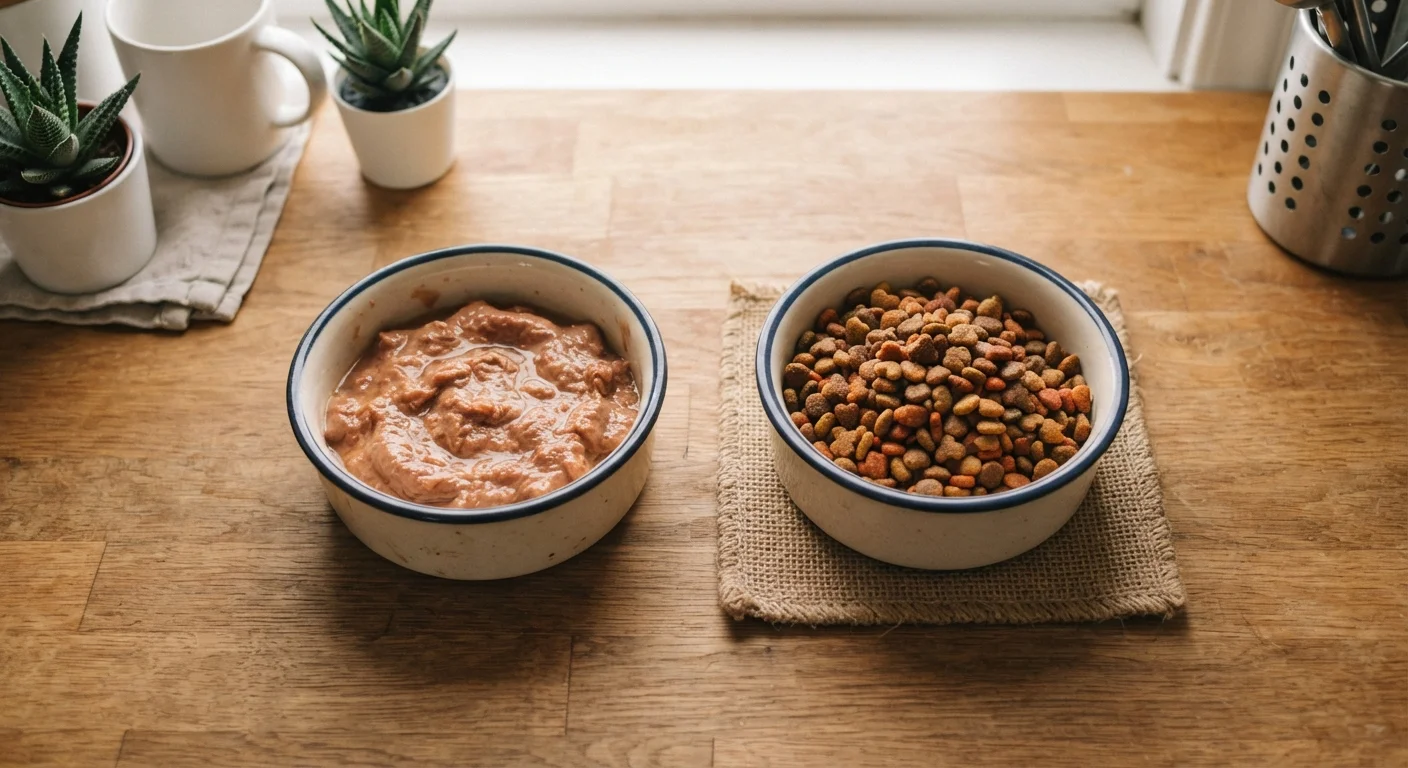
The most fundamental distinction between wet and dry cat food is water content. Wet food typically contains 70-80% moisture, while dry kibble contains only around 6-10%. This gap has significant consequences for feline health.
Cats evolved as desert-dwelling hunters whose primary water intake came from prey. As obligate carnivores, they have a naturally low thirst drive and are prone to chronic mild dehydration when fed exclusively dry food. Over time, inadequate moisture intake is associated with a higher risk of urinary tract disease and kidney issues - two of the most common health problems in domestic cats.
Wet food addresses this structural gap. Cats fed wet diets consistently consume more total daily water than those on dry-only diets, even when a water bowl is freely available. For cats already managing kidney disease or lower urinary tract conditions, this distinction can be clinically significant.
| Criterion | Wet Cat Food | Dry Cat Food |
|---|---|---|
| Moisture content | 70-80% | 6-10% |
| Typical carbohydrate level | Lower (often under 10% DM) | Higher (often 25-40% DM) |
| Calorie density | Lower per gram | Higher per gram |
| Cost per day | Generally higher | Generally lower |
| Shelf life once opened | 24-48 hours refrigerated | Weeks in a sealed container |
| Palatability | Typically higher | Variable |
| Urinary health support | Stronger (hydration benefit) | Weaker without extra water intake |
| Dental benefit | Minimal | Mild abrasive action only |
Nutritional Profile: Protein, Calories, and Carbohydrates
When you compare wet and dry food on a dry matter basis (removing water to make a fair comparison), the nutritional profiles can look quite similar - but important differences remain.
Dry cat food often contains a higher proportion of carbohydrates, typically from grains or legumes used as binding agents during the extrusion process. Wet food, by contrast, tends to be lower in carbohydrates and higher in animal-sourced protein. Because cats have limited ability to metabolize large carbohydrate loads - their bodies are not designed to rely on plant-based energy - a lower-carbohydrate diet aligns better with their biology. For a deeper look at how protein, fat, and carbohydrates function differently in cats, see our article on macronutrients for cats and dogs.
Calorie density is another key consideration. Dry food packs more calories per cup, which makes it easy to overfeed - a significant contributor to feline obesity. Wet food delivers fewer calories per gram, which may help weight-prone cats feel fuller on appropriate portions.
~70%
Moisture in typical wet cat food
Compared to roughly 6-10% in dry kibble, wet food dramatically increases a cat's daily fluid intake, according to comparative feeding studies.
~58%
US cats fed dry food only
Industry surveys suggest a majority of US cat owners rely primarily or exclusively on dry kibble, despite veterinary guidance on hydration.
3x
More water consumed on wet diets
Research published in veterinary nutrition literature indicates cats on wet food diets consume approximately three times more total water daily than those on dry-only diets.
Practical Considerations: Cost, Convenience, and Dental Health
Dry food wins on practicality. It is less expensive per calorie, has a long shelf life once opened, and can be left in a bowl for grazing without spoiling within hours. Wet food, once opened, must be refrigerated and used within 24-48 hours, making it less convenient for multi-cat households or owners with unpredictable schedules.
One widely held belief worth examining is that dry food cleans teeth. While the mechanical action of crunching kibble does provide some mild abrasive benefit, most kibble shatters before it reaches the gum line where dental plaque accumulates. Veterinary dental organizations note that dry food alone is not a substitute for active dental hygiene. If dental health is a concern, speak with your vet about enzymatic dental chews or tooth brushing.
Before you commit to any format, it pays to understand what is actually in the food you are choosing. Our guide on reading a pet food label can help you interpret ingredient lists and guaranteed analysis panels with confidence.
Making the Right Choice for Your Cat
There is no single correct answer for every cat. The right feeding approach depends on your cat's age, health status, activity level, and individual preferences. A few guiding principles can help:
- Cats with urinary or kidney issues generally benefit from wet food as a primary diet - consult your veterinarian for guidance specific to your cat's condition.
- Overweight cats may do better on a controlled wet food diet, where the higher moisture content aids satiety at lower caloric intake.
- Healthy adult cats with no diagnosed conditions can thrive on either format, provided the food is nutritionally complete and balanced (look for AAFCO nutritional adequacy statements on packaging).
- Mixed feeding - offering wet food at mealtimes and measured dry kibble as a supplement - is a practical middle ground that many veterinary nutritionists consider a reasonable approach.
Once you have settled on an approach, it is worth periodically auditing your cat's overall diet. Our feeding check guide offers a practical checklist to ensure what you are serving is truly complete and age-appropriate.
This article is for general informational purposes only and is not a substitute for professional veterinary advice. Always consult a licensed veterinarian before making significant changes to your cat's diet, especially if your cat has an existing health condition.