The Biology Behind the Label
The phrase "obligate carnivore" appears on pet food marketing and in veterinary literature alike, but what does it actually mean at the biological level? It means that over millions of years of evolution, cats lost or never developed certain metabolic pathways that omnivores rely on. That's not a flaw - it's a highly efficient specialization for a prey-based lifestyle. The trouble arises when that specialization collides with modern feeding choices.
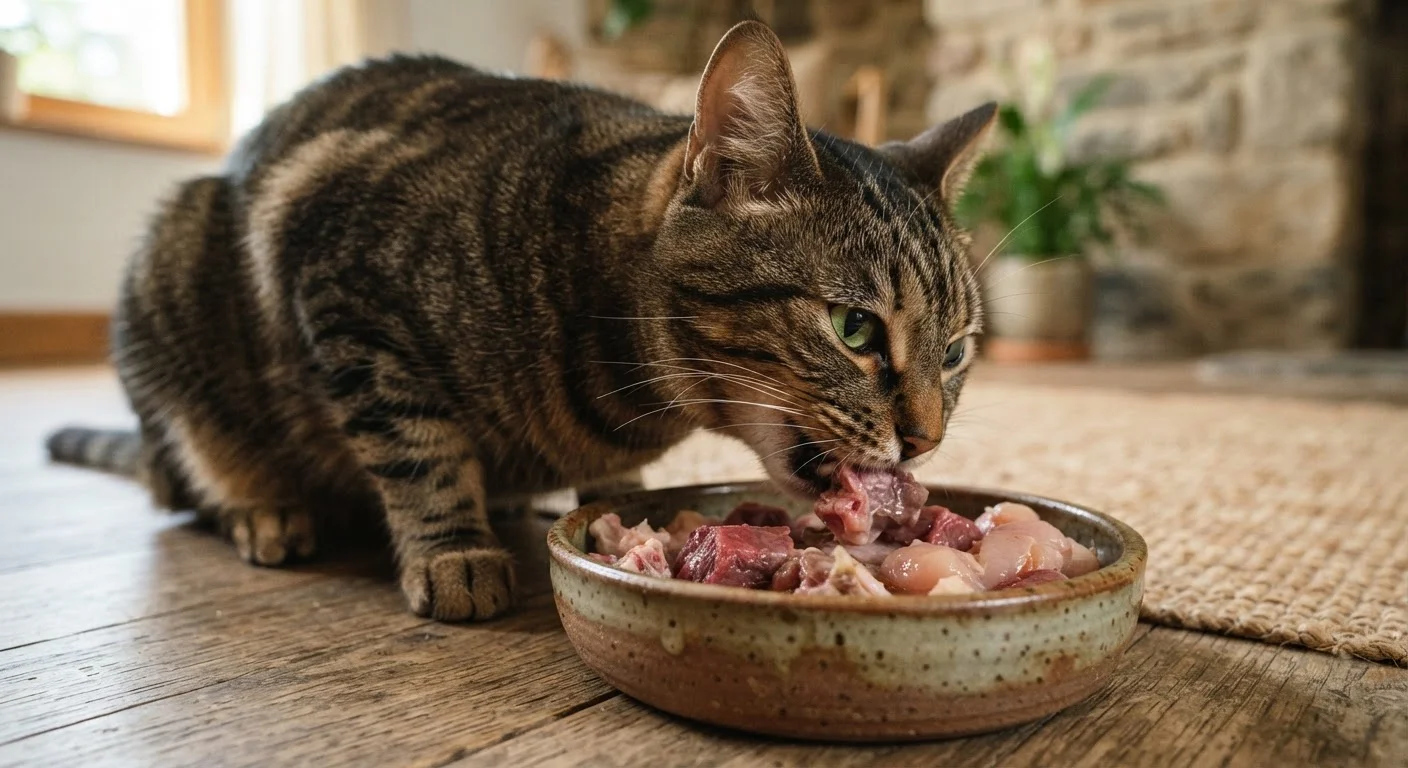
Cats evolved as solitary hunters consuming small prey animals whole - muscle, organ, bone, and all. This diet is naturally high in protein and fat, moderate in moisture, and very low in carbohydrates. Their entire digestive and metabolic architecture reflects that reality. Understanding this helps explain why cat nutrition decisions carry real health consequences.
For a broader grounding in how nutrients function across species, see our nutrition foundations guide - a helpful starting point before diving deeper into feline-specific needs.
Three Nutrients Cats Cannot Make Themselves
The clearest illustration of obligate carnivory is nutrient dependency. Several nutrients that other mammals can synthesize internally must come directly from animal tissue in cats.
- Taurine: An amino sulfonic acid critical for heart function, vision, and reproduction. Cats lack sufficient activity of the enzymes needed to produce it from cysteine and methionine. Taurine deficiency causes dilated cardiomyopathy and retinal degeneration - conditions that were historically linked to taurine-deficient commercial cat foods before the requirement was understood.
- Arachidonic acid: An omega-6 fatty acid that cats cannot produce from linoleic acid the way dogs and humans can. It must come from animal fats. It plays roles in inflammation response, skin integrity, and reproduction.
- Preformed vitamin A (retinol): Cats cannot convert beta-carotene from plant sources into usable vitamin A. They require retinol, found in animal liver and other animal tissues, to support vision, immune function, and cell growth.
These dependencies aren't optional workarounds - they are hard metabolic limits. A diet that fails to supply these nutrients will, over time, cause clinically significant disease.
~2%
Carbohydrate content in a wild mouse (natural cat prey)
Research on feline nutritional ecology estimates that natural prey provides cats with diets very high in protein, moderate in fat, and extremely low in carbohydrates.
~50%
Of calories from protein in natural feline diet
Estimates from feline dietary ecology suggest wild cats derive roughly half their caloric intake from protein - far above typical human or canine protein requirements.
70%
Moisture content in typical small prey animals
Small mammals and birds - the primary prey of domestic cats' wild counterparts - contain approximately 65-75% water by weight, supporting cats' low thirst drive.
Protein Metabolism: Why Cats Can't "Turn It Off"
Most omnivores adjust their protein metabolism dynamically - when dietary protein is scarce, enzymes involved in protein breakdown slow down to conserve amino acids. Cats do not have this flexibility. Their hepatic (liver) enzymes that break down amino acids remain constitutively active, meaning the body continues catabolizing protein regardless of intake.
The practical consequence is significant: if a cat doesn't consume enough dietary protein, it begins breaking down its own muscle mass to meet energy and metabolic demands. This is why even short periods of food restriction or a low-protein diet can rapidly compromise lean body mass in cats - a concern that intersects with weight management. Our article on weight management in pets explores how body condition and metabolism relate to long-term health.
Talk to Your Vet Before Changing Diets
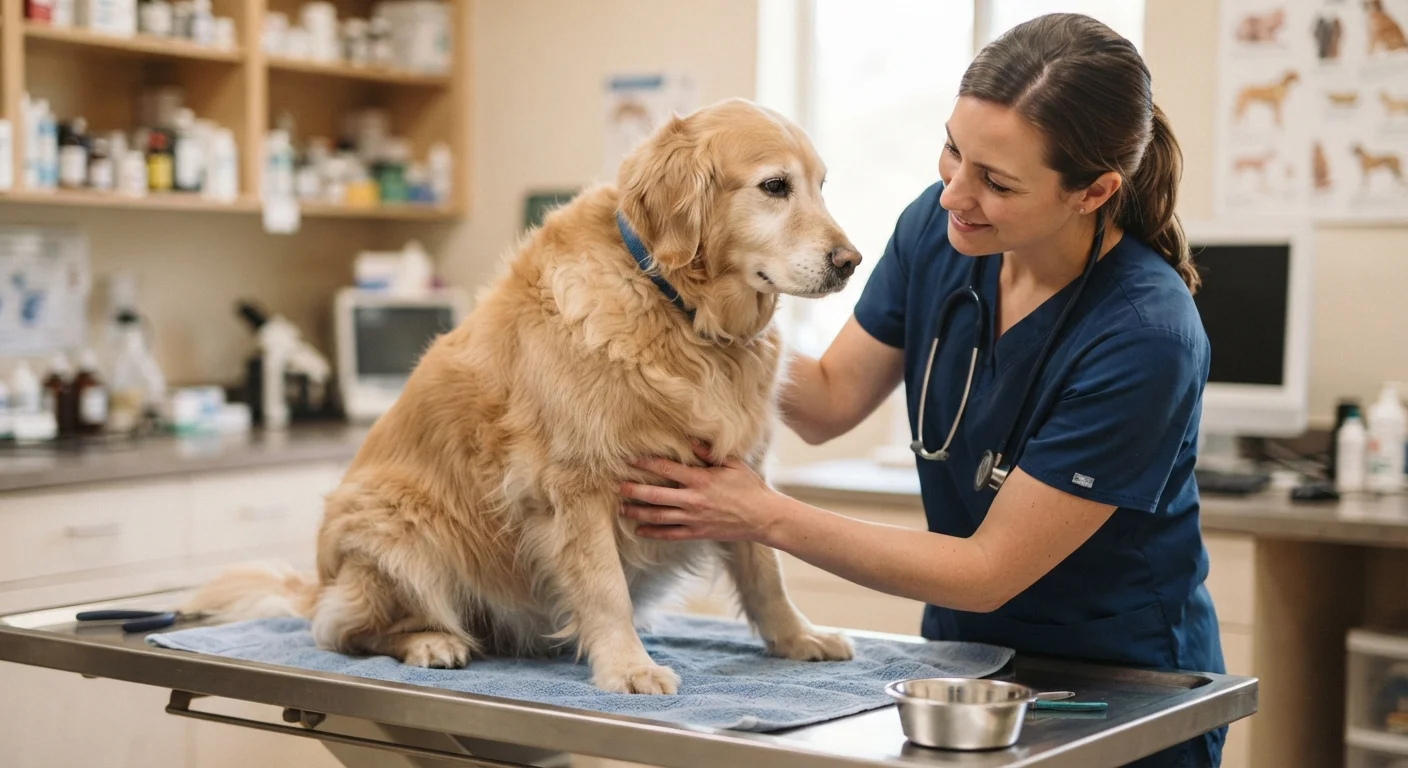
If you're reconsidering your cat's current food based on what you've learned about obligate carnivory, bring those questions to your veterinarian before making changes. A vet can assess your cat's current body condition, bloodwork, and life stage to help you choose a diet that genuinely fits their needs. This is especially important for cats with kidney disease, urinary issues, or other chronic conditions.
What This Means When You're Choosing Cat Food
Understanding obligate carnivory gives you a practical filter for evaluating what goes in your cat's bowl. A few principles follow directly from the biology:
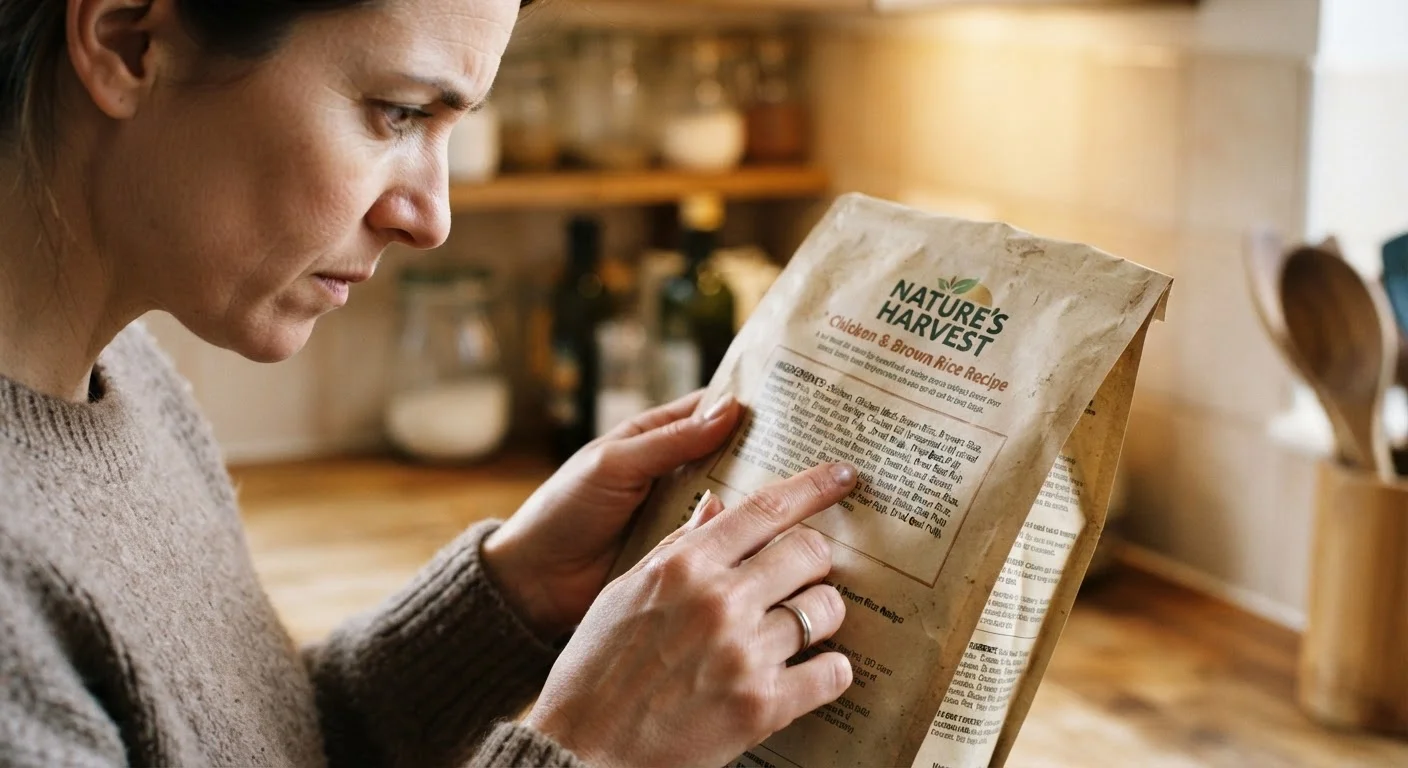
- Animal protein should be the primary ingredient. The first several ingredients on a cat food label should be identifiable animal sources - not grain, starch, or plant protein concentrates. Learning how to read a pet food label helps you assess this at a glance.
- Moisture content matters. Wild prey is roughly 70% water. Cats have a naturally low thirst drive, having historically obtained moisture from prey. Wet food can help support hydration in a way dry-only diets may not.
- Carbohydrates are filler, not fuel. Cats produce minimal salivary amylase and have limited pancreatic amylase activity compared to omnivores. While small amounts of digestible carbohydrate are tolerated, diets built around grain or starch as primary calorie sources are not biologically appropriate.
For a side-by-side comparison of how protein, fat, and carbohydrate needs differ between cats and dogs, see our piece on macronutrients for dogs and cats.
This article is for general educational purposes only and is not a substitute for veterinary advice. Consult a licensed veterinarian before making significant changes to your cat's diet, especially if your cat has an existing health condition.