
Why Species-Specific Nutrition Matters
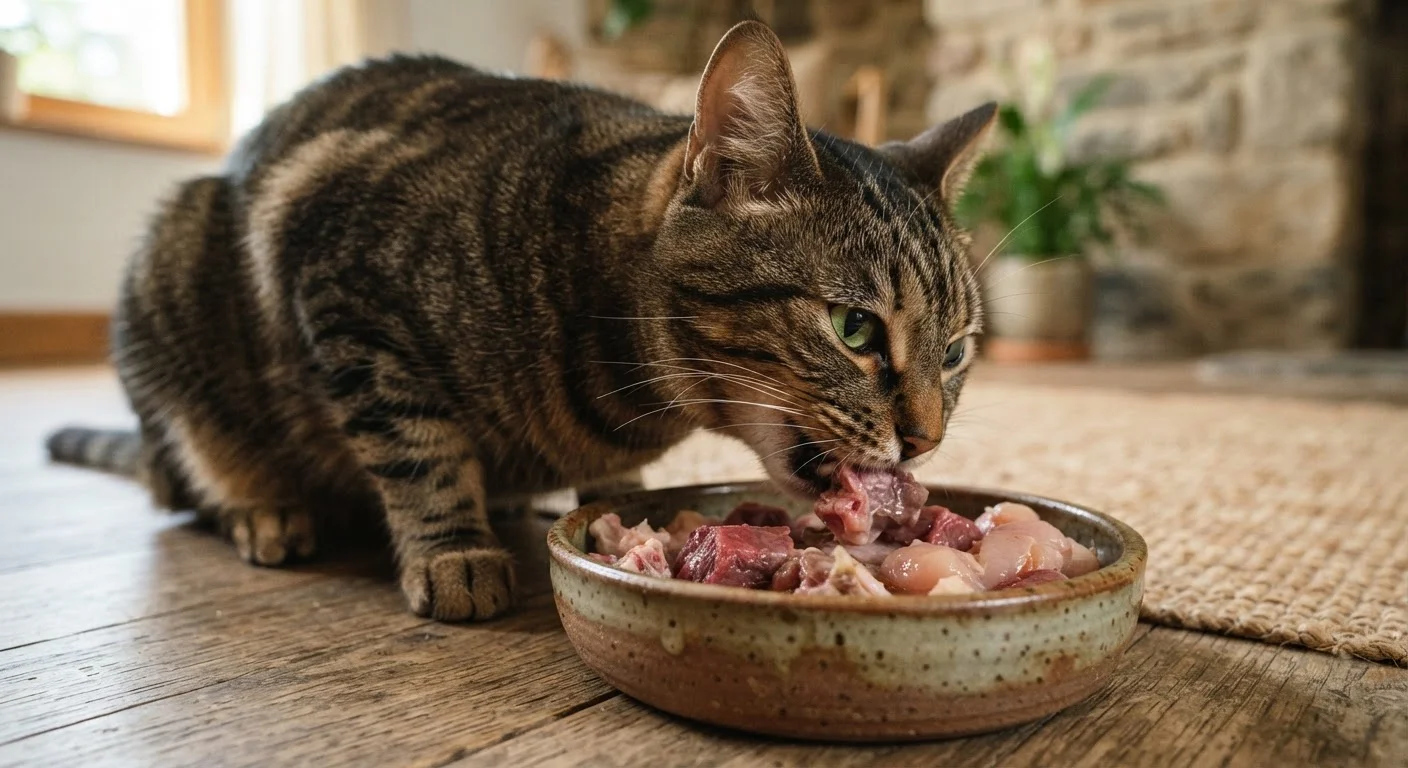
It's tempting to think of dogs and cats as similar pets with similar needs - but from a nutritional standpoint, they are fundamentally different animals. Cats are obligate carnivores, meaning their bodies are biologically dependent on nutrients found only in animal tissue. Dogs, by contrast, are considered omnivores, capable of deriving energy and nutrients from both animal and plant sources.
These distinctions aren't trivial. They affect how each species processes protein, fat, and carbohydrates at a cellular level - and they should drive every feeding decision you make. For a deeper look at what cats' carnivore biology means in practice, see why cats are obligate carnivores. If you're newer to pet nutrition overall, nutrition foundations for new pet owners is a helpful starting point.
Protein: The Critical Macronutrient - Especially for Cats
Both dogs and cats require dietary protein, but cats need it in substantially higher quantities. According to the Association of American Feed Control Officials (AAFCO), adult cats require a minimum of 26% protein on a dry matter basis, while adult dogs require a minimum of 18%. In practice, most veterinary nutritionists recommend cats consume well above these minimums.
The reasons go beyond quantity. Cats lack the ability to downregulate certain enzymes involved in protein metabolism - meaning their bodies continue breaking down protein even when intake is low, making adequate supply non-negotiable. They also cannot synthesize several amino acids that dogs can produce on their own, including taurine and arginine. Taurine deficiency in cats is directly linked to dilated cardiomyopathy and retinal degeneration.
Dogs can synthesize taurine and tolerate a wider range of protein sources, including plant-based options - though animal protein remains their biological preference and generally offers superior amino acid profiles. For a side-by-side look at animal versus plant protein, see protein sources compared.
| Nutrient | Dogs | Cats | |
|---|---|---|---|
| Minimum protein (dry matter, adults) | 18% (AAFCO) | 26% (AAFCO) | |
| Taurine synthesis | Can synthesize | Cannot synthesize - must consume | |
| Arachidonic acid | Can synthesize from linoleic acid | Must obtain from animal fat | |
| Primary energy source | Carbohydrates or fat | Fat and protein | |
| Carbohydrate digestion capacity | Moderate to good | Limited | |
| Dietary flexibility | Higher - omnivorous | Lower - obligate carnivore |
Fat: Energy, Essential Fatty Acids, and Species Differences
Dietary fat serves as a concentrated energy source, supports fat-soluble vitamin absorption (A, D, E, K), and provides essential fatty acids. For cats in particular, fat is the primary caloric fuel - their metabolisms are adapted to burning fat efficiently rather than carbohydrates.
One notable species difference involves arachidonic acid, an omega-6 fatty acid. Dogs can synthesize it from linoleic acid; cats cannot and must obtain it directly from animal fats. Similarly, cats have very limited ability to convert plant-sourced ALA into the long-chain omega-3s (EPA and DHA) their bodies need - making marine-based fat sources especially valuable in feline diets.
Dogs require omega-6 and omega-3 fatty acids in appropriate ratios to support skin, coat, and inflammatory balance, but their metabolic pathways for fatty acid conversion are considerably more flexible. Fat content should be calibrated to a pet's life stage, activity level, and body condition - excess fat intake is a leading contributor to obesity in both species. See the health risks of obesity in pets for context on why this matters long-term.
Check the AAFCO Statement on Every Bag or Can
Every commercially sold pet food should carry an AAFCO nutritional adequacy statement - for example, "formulated to meet the nutritional levels established by AAFCO for adult maintenance." This tells you whether the food is complete and balanced for the correct species and life stage. If a food is labeled "for supplemental feeding only" or "intermittent use," it should not serve as your pet's sole diet without veterinary guidance.
Carbohydrates: Flexible Fuel for Dogs, Limited Use for Cats
Carbohydrates are not classified as essential nutrients for either dogs or cats - neither species has a recognized minimum dietary carbohydrate requirement. However, the two species differ significantly in their capacity to use them.
Dogs produce meaningful amounts of salivary and pancreatic amylase, enzymes that begin breaking down starch. They can efficiently convert glucose from carbohydrates into usable energy and have adapted over millennia of coexistence with humans to process starchy foods reasonably well. This makes moderate carbohydrate inclusion in dog food nutritionally workable, particularly as an economical energy source.
Cats, by contrast, produce very low levels of these digestive enzymes and have limited ability to regulate blood glucose from carbohydrate loads. Persistently high-carbohydrate diets in cats have been associated with postprandial glucose spikes and, in some research, increased risk of obesity and type 2 diabetes - though the evidence base continues to evolve. Most veterinary nutritionists recommend keeping carbohydrate levels low in cat diets and prioritizing protein and fat instead. For guidance on wet versus dry food - which differs notably in carbohydrate content - see wet food vs. dry food for cats.
Putting It All Together: Feeding Decisions That Reflect Biology
Understanding macronutrient differences helps explain why you should never feed cat food to dogs long-term (it's too protein- and fat-dense for most dogs' needs) and, more critically, why dog food is nutritionally inadequate for cats - it lacks sufficient protein and key nutrients like taurine and arachidonic acid.
When evaluating any commercial diet, look for an AAFCO nutritional adequacy statement confirming it meets standards for the correct species and life stage. For a full breakdown of vitamins, minerals, and other non-negotiable nutrients beyond macros, see essential nutrients your pet's diet must include.
Every pet is also an individual. Age, health status, activity level, and reproductive status all influence macronutrient needs. Working with your veterinarian - or a board-certified veterinary nutritionist for pets with complex needs - ensures that your feeding approach is grounded in your specific animal's biology, not just general species guidelines.
This article is for general educational purposes only and does not constitute veterinary or medical advice. Always consult a licensed veterinarian before making significant changes to your pet's diet.