What the Sounds Are Actually Telling You
Water heaters communicate through noise. A healthy unit operates with a low, nearly silent hum. When you start hearing something new - a rhythmic pop, a deep rumble, or a steady hiss - your heater is usually flagging a specific condition. Understanding the sound-to-cause relationship is the first step toward addressing the problem before it becomes expensive.
The most common sounds and their general meanings:
- Popping or crackling: Sediment (typically calcium and magnesium mineral deposits) has accumulated on the bottom of the tank or on the heating element. Water trapped beneath the sediment superheats and bursts through as steam bubbles.
- Rumbling or kettling: A more advanced stage of sediment buildup, where larger volumes of water are forced through hardened mineral layers.
- Hissing: Often indicates water leaking onto a hot surface, a loose drain valve, or a pressure issue. In gas units, a hiss near the burner assembly warrants immediate attention.
- Ticking or tapping: Usually thermal expansion in supply pipes as water temperature changes - generally harmless, but worth monitoring.
- Whining or high-pitched squealing: Can indicate a partially closed valve restricting water flow into or out of the tank.
Context matters. If your unit has been quiet for years and suddenly develops a new sound, treat it as a diagnostic signal rather than background noise. See our guide to diagnosing low water pressure if you're also noticing reduced flow at your fixtures - the two issues can be connected.
Common Mistakes Homeowners Make When Their Water Heater Gets Noisy
How homeowners respond to water heater noise is just as important as recognizing it. Several common missteps can turn a manageable maintenance issue into a premature replacement.
Ignoring new sounds and assuming they are normal.
Why it happens: Water heaters are out of sight in basements or utility closets, making it easy to habituate to new noises without investigating their cause.
Flushing the tank incorrectly or too aggressively after years of neglect.
Why it happens: Homeowners learn that sediment is the culprit and immediately drain the tank fully, not realizing that disturbing heavy sediment in an aging tank can dislodge corrosion or expose pinhole leaks that were previously sealed by buildup.
Turning up the thermostat to compensate for lukewarm water caused by sediment.
Why it happens: When sediment insulates the heating element or burner, the water doesn't reach the set temperature efficiently. Raising the thermostat feels like a logical fix, but it masks the root cause.
Dismissing a hissing sound as routine expansion noise.
Why it happens: Ticking and minor thermal sounds are genuinely common and harmless, which trains homeowners to overlook auditory signals. A hiss can be mistaken for the same benign category.
Assuming a noisy water heater always needs full replacement.
Why it happens: Replacement is often the first suggestion encountered online, and some service calls result in replacement recommendations when maintenance would suffice.
Don't Ignore a Hissing Near the T&P Valve
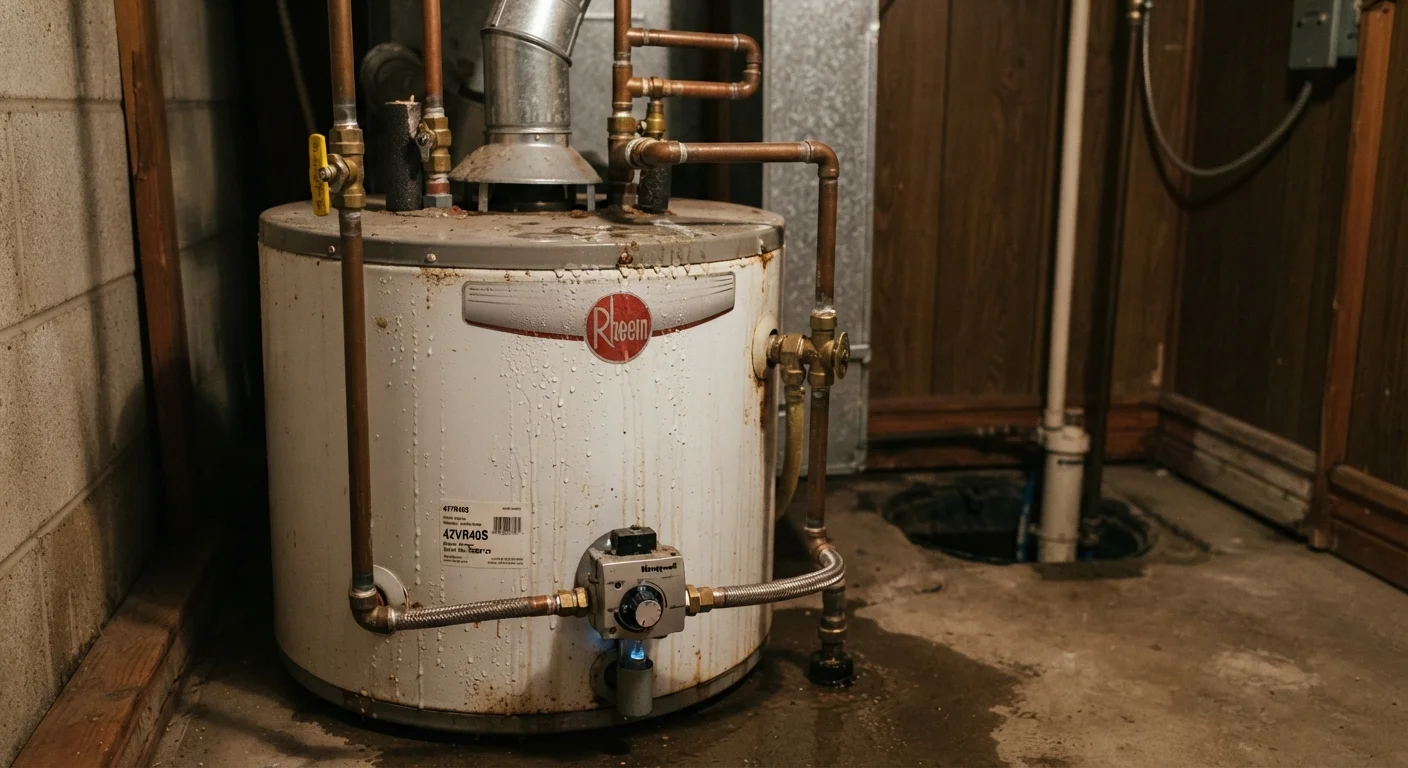
The temperature-pressure relief valve is a critical safety device that releases excess pressure to prevent tank rupture. If you hear hissing or notice moisture near the valve or its discharge pipe, do not attempt to test or remove the valve yourself without proper training. Contact a licensed plumber promptly, as a malfunctioning T&P valve represents a genuine safety concern.
When to Call a Professional - and What to Tell Them
Sediment flushing is a reasonable DIY task for most homeowners comfortable working around a water heater. However, several situations call for a licensed plumber or HVAC technician:
- Any work on gas supply lines, burner assemblies, or pilot light components
- Replacing or testing a temperature-pressure (T&P) relief valve
- Inspecting the anode rod if the unit hasn't been serviced in many years
- Addressing structural corrosion or tank wall damage
When you call, describe the sound precisely: when it occurs (startup, mid-cycle, during hot water draw), how long it lasts, and whether anything changed recently (new appliances, recent plumbing work, changes in water quality). This helps a technician arrive prepared rather than diagnosing blind.
Gas Water Heater Sounds Require Extra Caution
If you smell gas alongside any unusual sound from a gas-fired water heater, leave the area immediately, avoid operating any switches or flames, and call your gas utility's emergency line from outside the home. Do not attempt to diagnose or repair gas components yourself. Gas-related work must be performed by a licensed professional.
For context, similar diagnostic thinking applies to other home systems. Just as not every home noise signals a serious problem, not every water heater sound demands an emergency call - but none should be ignored indefinitely.