
Why These Three Nutrients Draw So Much Scrutiny
Walk through any grocery store and you'll see sodium, sugar, and saturated fat listed prominently on the Nutrition Facts panel. Public health campaigns highlight them. Food manufacturers reformulate products to reduce them. Yet many people aren't clear on why these three - out of dozens of dietary components - receive so much sustained attention.
The answer is largely a matter of evidence and scale. Large, long-running epidemiological studies - along with controlled clinical trials - have consistently linked high intake of each to elevated risk of conditions that drive morbidity and mortality across the US population: cardiovascular disease, hypertension, stroke, and metabolic disorders. Because these conditions are both common and serious, even modest population-wide reductions in intake carry meaningful public health impact.
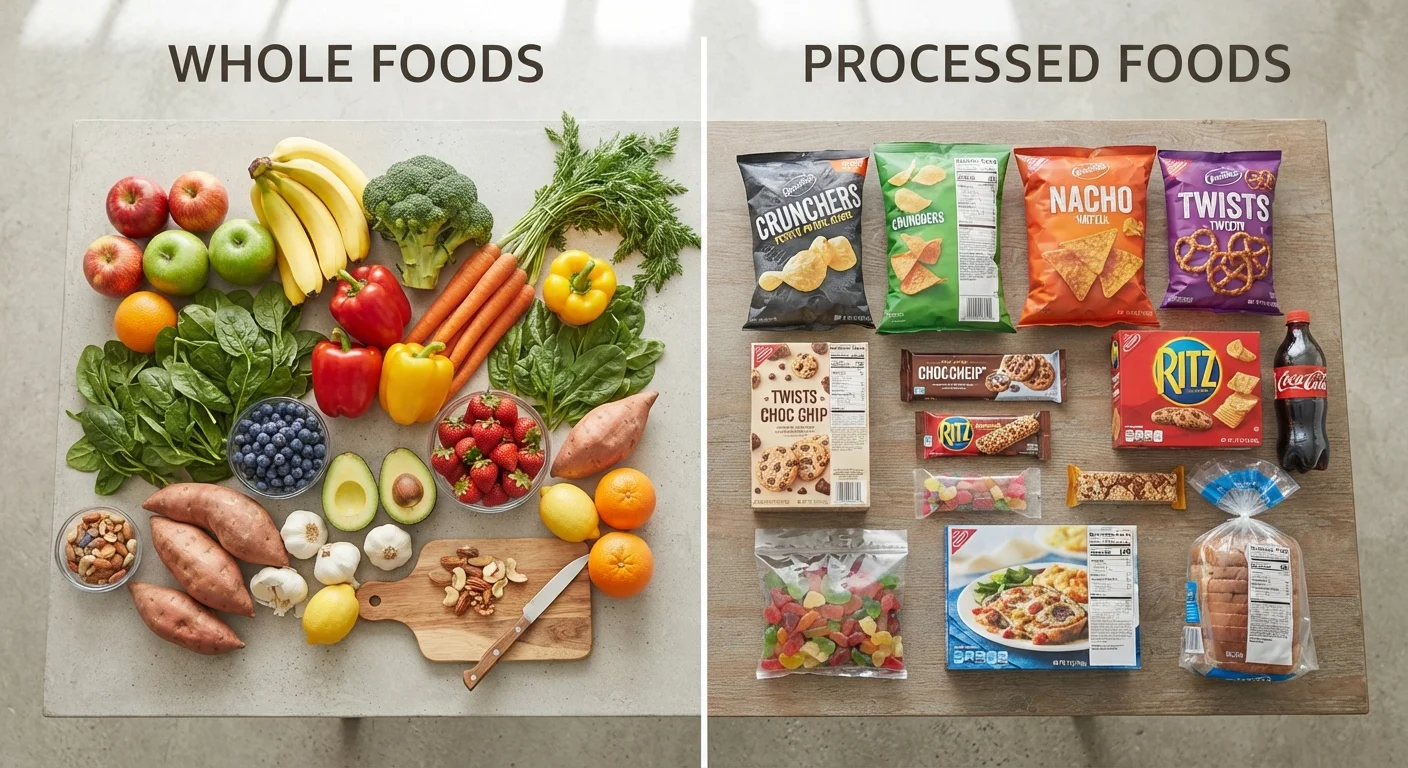
Importantly, none of the three is purely toxic. Sodium is an essential electrolyte. Some fat - including certain saturated fats - is necessary for hormone production and cell function. Sugars are the body's primary fuel source. The concern is about the amounts typically supplied by a modern diet dominated by packaged and ultra-processed foods. See how this plays out in practice in our look at whole foods versus ultra-processed foods.
~3,400 mg
Average daily sodium intake for US adults
The CDC estimates average US sodium consumption is approximately 3,400 mg per day - nearly 50% above the 2,300 mg guideline.
70%
Dietary sodium from processed and restaurant foods
According to the CDC, approximately 70% of the sodium Americans consume comes from packaged and restaurant foods, not home cooking.
<10%
Recommended daily calories from added sugars
The Dietary Guidelines for Americans recommend limiting added sugars to less than 10% of total daily caloric intake.
~17 tsp
Average daily added sugar consumption
NHANES data suggests US adults consume roughly 17 teaspoons of added sugar daily - well above the American Heart Association's recommended limits.
Sodium: The Blood Pressure Connection
Sodium's reputation is built primarily on its well-established relationship with blood pressure. The kidneys use sodium to regulate fluid balance; when sodium intake is consistently high, blood pressure tends to rise in many individuals - a condition (hypertension) that silently elevates the risk of heart attack and stroke over time.
The Dietary Guidelines for Americans cap recommended daily sodium intake at 2,300 mg for most adults, yet average consumption sits closer to 3,400 mg. Crucially, the majority of that excess doesn't come from the salt shaker - roughly 70% comes from sodium added during food processing and restaurant preparation, embedded in bread, cured meats, canned soups, and condiments.
Not everyone is equally sodium-sensitive. Genetics, kidney function, and baseline blood pressure all influence how the body responds to dietary sodium. But because sodium-sensitive hypertension is difficult to identify without clinical testing, population-level guidance errs on the side of moderation.
Check the Label for Sodium Sources
When reviewing packaged food labels, look at sodium per serving relative to the total daily value percentage - not just the milligram number in isolation. Foods with 20% or more of the Daily Value per serving are considered high in sodium by FDA standards. Comparing a few similar products at the store is an easy, practical way to make more informed choices without overhauling your entire diet.
Added Sugar: Calories Without Nutritional Payoff
Sugar is a broad category. Naturally occurring sugars in fruit and plain dairy arrive with fiber, micronutrients, and other compounds that moderate absorption and provide genuine nutritional value. Added sugars - the syrups, sweeteners, and refined sugars incorporated during manufacturing - deliver calories without that accompanying nutritional package.
The concern isn't one sugary meal but patterns of high intake over time. Research associates consistently high added sugar consumption with elevated triglycerides, reduced HDL cholesterol, increased visceral fat, and greater risk of type 2 diabetes and cardiovascular disease. The Dietary Guidelines recommend that added sugars account for less than 10% of daily calories. For a 2,000-calorie diet, that's roughly 50 grams - an amount easily exceeded by a single large sweetened beverage.
Added sugars are now disclosed separately on updated US Nutrition Facts labels, giving consumers a clearer picture of what they're actually getting beyond total carbohydrates.
Saturated Fat: A More Nuanced Picture
The story of saturated fat in public health has evolved considerably over decades of research. Early dietary guidelines - shaped by mid-20th-century studies - advised sharply limiting all saturated fat to reduce cardiovascular risk. More recent research presents a more layered picture.
Saturated fat does tend to raise LDL cholesterol (often called "bad" cholesterol), which is a recognized risk factor for cardiovascular disease. However, not all saturated fats behave identically, and what replaces saturated fat in the diet matters as much as the reduction itself. Replacing saturated fat with refined carbohydrates, for instance, may not improve outcomes, whereas substituting unsaturated fats - found in nuts, seeds, fish, and olive oil - is associated with reduced cardiovascular risk in multiple large studies.
Current guidance from major health organizations continues to recommend limiting saturated fat, but the framing has shifted toward overall dietary pattern rather than single-nutrient elimination. Exploring how different dietary patterns handle fat and carbohydrates can give useful context here.
Reading the Bigger Picture
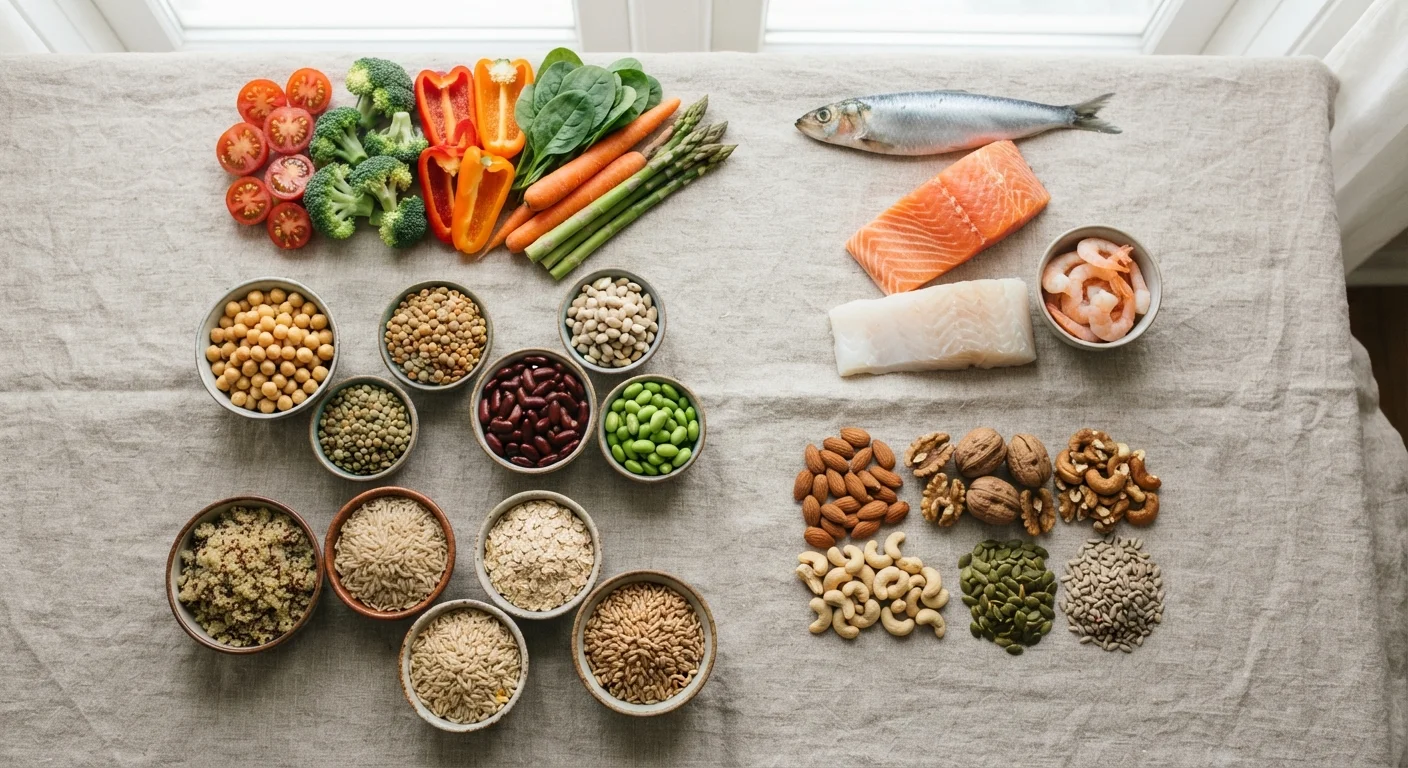
One of the most consistent findings in modern nutrition research is that whole dietary patterns predict health outcomes better than any single nutrient tracked in isolation. A diet built around minimally processed foods, abundant vegetables, legumes, whole grains, and lean proteins tends to keep sodium, added sugar, and saturated fat in reasonable ranges naturally - without obsessive label-reading or food fear.
That doesn't mean the three nutrients are unimportant to understand. Knowing why they're flagged helps consumers make sense of food labels, evaluate nutrition news more critically, and separate genuine evidence from hype. It also demystifies why certain foods - heavily processed snacks, sweetened beverages, cured meats - appear repeatedly in public health discussions.
For practical guidance on composing meals that keep these concerns in balance, building a nutritionally balanced plate offers evidence-backed principles. And for a deeper look at what the science does and doesn't support, common nutrition myths is worth a read.
This article is for general informational and educational purposes only and is not a substitute for professional medical or dietary advice. Consult a qualified healthcare provider or registered dietitian before making significant changes to your diet, especially if you have existing health conditions.