How Dealers Use Bundling to Their Advantage
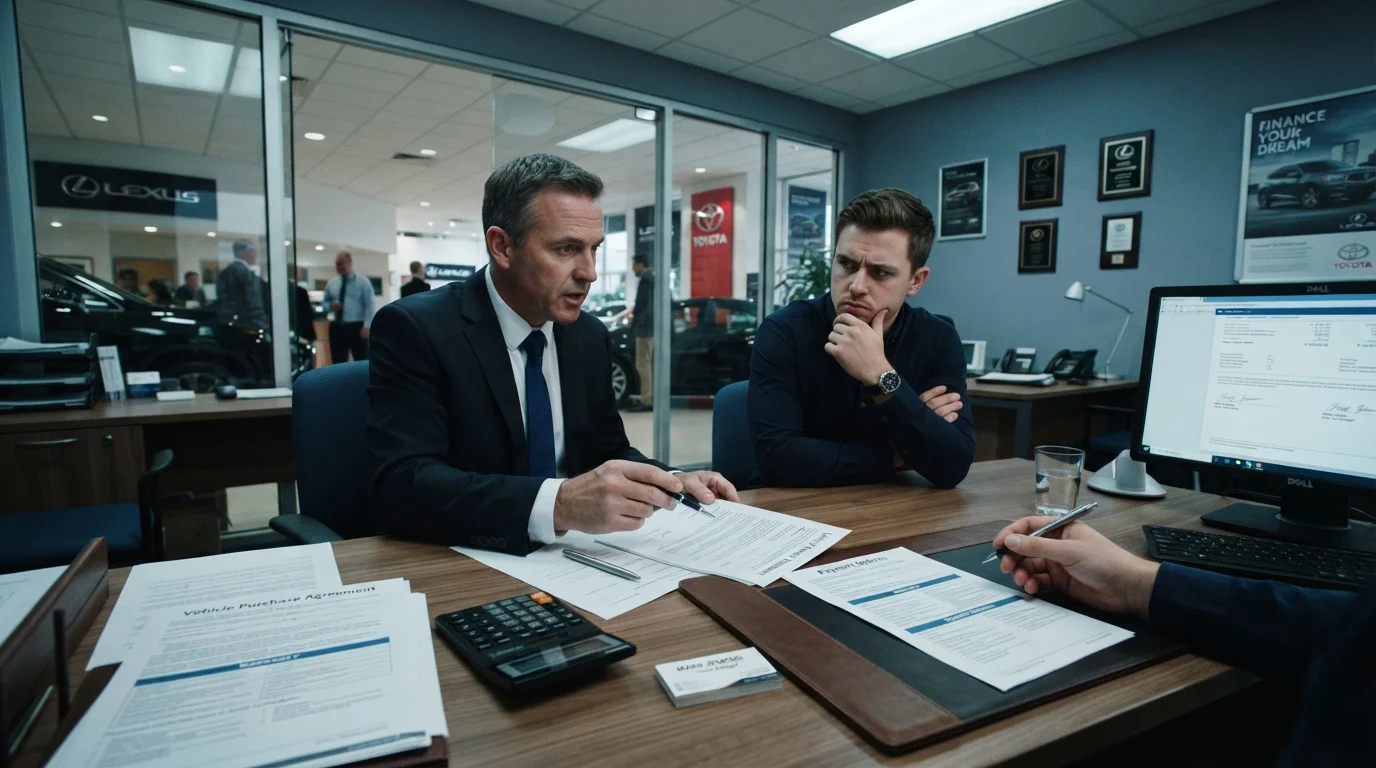
Walk into most dealerships ready to trade in a vehicle and buy a new one, and a salesperson will almost certainly try to handle both at once. This approach isn't accidental - combining the two transactions into a single negotiation creates deliberate complexity that benefits the seller.
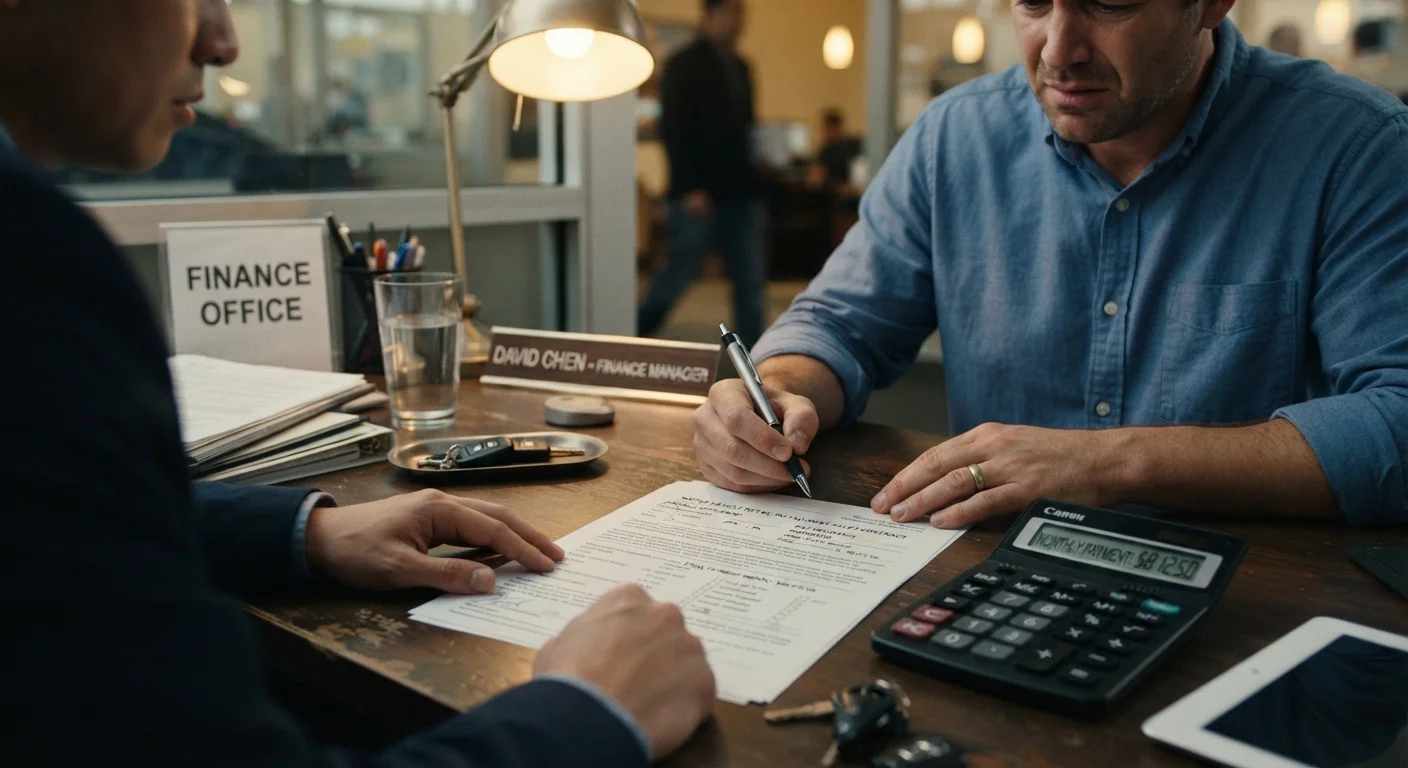
When a dealer asks, "What do you want your monthly payment to be?" they are collapsing your trade-in value, the purchase price, financing terms, and the loan length into one sliding variable. Adjust any one element and the others shift accordingly - making it nearly impossible to know whether you're winning or losing on any individual front. This is sometimes called "payment packing," and it's one of the most documented tactics in auto retail. See our guide to dealer tactics that move money around for a fuller breakdown of how this works in practice.
The fix is straightforward in principle: refuse to negotiate both simultaneously. Tell the salesperson you want to agree on the out-of-pocket vehicle price first, and that you'll discuss the trade-in separately afterward.
Establishing Your Trade-In Value Before You Walk In
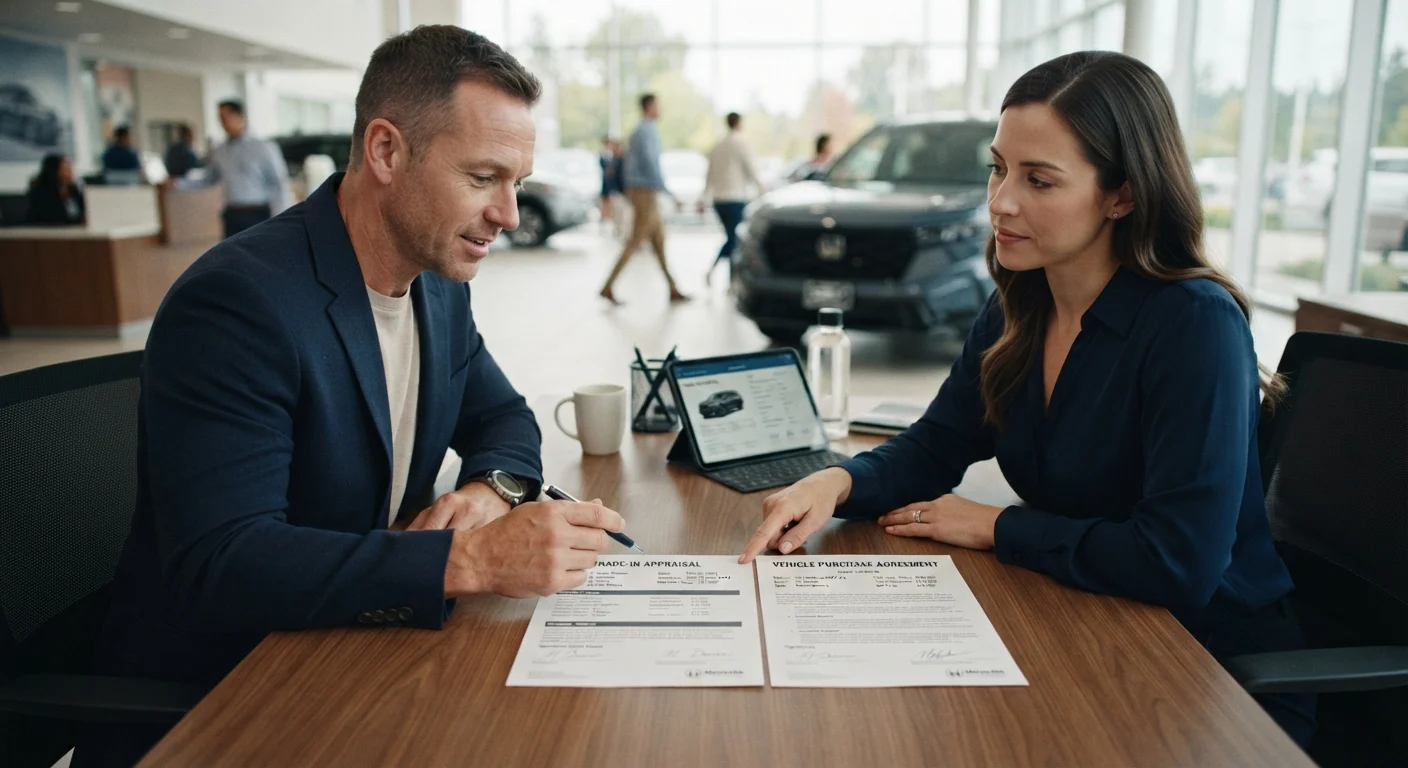
Before stepping onto a dealership lot, get at least two or three independent written appraisals of your current vehicle. Several national platforms provide this service, and many franchised dealers will appraise a vehicle without requiring you to buy from them. These quotes create a documented floor for what your car is worth in the current market.
~$3,000
Typical gap between private-party and dealer trade-in offers
Industry data from vehicle valuation services consistently shows dealer trade-in offers average several thousand dollars below private-party sale prices, with the gap varying by vehicle type and market conditions.
43 states
States offering a sales tax trade-in credit
According to automotive consumer research, the majority of U.S. states allow buyers to pay sales tax only on the difference between the new vehicle price and trade-in value, making the tax offset a meaningful financial factor.
Your vehicle's condition, mileage, regional demand, and the time of year all affect appraisal value. Understanding the range - not just a single number - helps you spot when a trade-in offer is meaningfully below market. If a dealer's offer falls short of your independent benchmarks, you can say so plainly and ask them to explain the difference.
One important consideration: trade-in transactions are often subject to sales tax offsets in many U.S. states, meaning you may only owe sales tax on the difference between the trade-in credit and the new vehicle price. This can make a dealer trade-in more financially advantageous than a private sale in some circumstances - but the math only works in your favor if the trade-in value itself is fair. Consult your state's DMV or a tax professional to understand the rules in your specific jurisdiction.
Negotiating the Purchase Price as a Standalone Number
Once you've secured a written trade-in offer, shift your full attention to the new vehicle's price. This means negotiating the out-the-door price - which includes taxes, fees, and any dealer add-ons - independently of any credit for your trade. As our article on negotiating out-of-the-door price vs. monthly payment explains, anchoring to the total cost rather than a monthly figure is the clearest way to know what you're actually paying.
State upfront that you want to negotiate purchase price before discussing your trade-in.
Sequencing the negotiation this way prevents the dealer from using your trade-in as a variable to absorb concessions on the new vehicle price. You get a clean look at each number independently.
Bring written third-party appraisals to every trade-in conversation.
A documented offer from an independent source removes ambiguity and shifts the burden of proof to the dealer. It also establishes that you've done your homework, which can deter lowball offers.
Never reveal your trade-in until a purchase price is in writing.
Disclosing the trade-in early gives dealers a tool to structure concessions in ways that look favorable but aren't. A written purchase price locks that number before any offsets are introduced.
Evaluate dealer add-ons as line items, not as part of a bundled monthly payment.
Extended warranties, paint protection, and other dealer products become harder to assess when folded into a payment. Reviewing each as a standalone cost helps you decide whether it's worth paying separately.
Be willing to walk away from either transaction independently.
If you can only walk away from the entire deal but not from a bad trade-in offer alone, your leverage is limited. Framing them as separate gives you two distinct exit points.
Understanding where the new vehicle's price sits relative to invoice and market value is equally important. Our explainer on invoice price, MSRP, and market value outlines why these three numbers diverge and which one gives you the most realistic negotiating anchor.
Quick Wins: Protecting Both Sides of the Deal
Separating these two conversations is the core principle, but there are specific actions you can take immediately to protect your position before entering any dealership.
If you're also financing the new vehicle, treat that as a third separate conversation. Securing a pre-approved loan from a bank or credit union before visiting the dealer gives you an independent rate benchmark. Our overview of dealer financing vs. outside financing walks through how to compare both paths on equal terms. Additional guidance on loans and payment structures is available in our Financing a Car hub.
“The moment you let a dealer combine your trade-in with your purchase negotiation, you've handed them the calculator. Keep the transactions separate and you keep the math visible.”
— Philip Reed, Senior consumer advice editor, automotive pricing and negotiation