How Each Powertrain Works
Understanding the mechanical differences between powertrain types removes a lot of the confusion that surrounds vehicle shopping today.
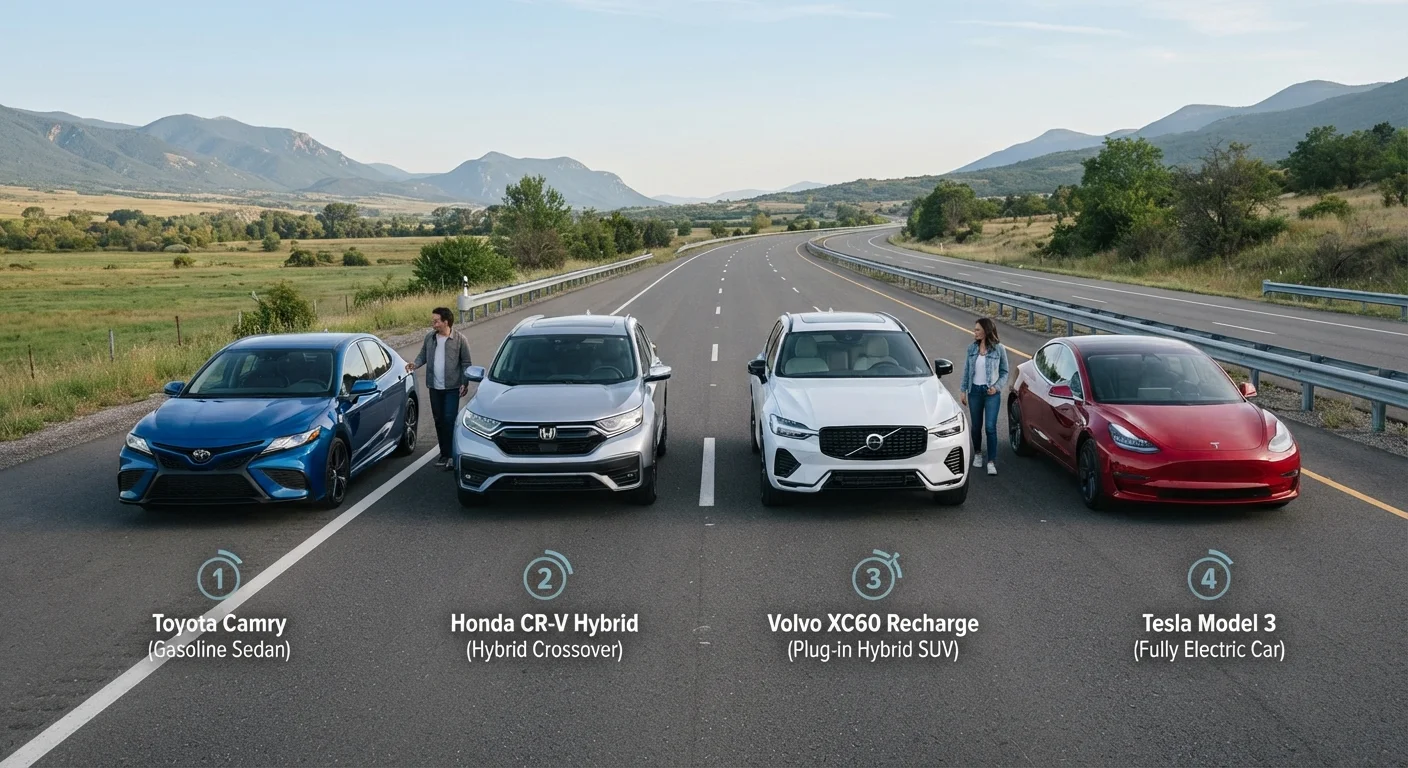
Conventional gasoline vehicles use an internal combustion engine (ICE) exclusively. Fuel burns in the engine, which drives the wheels. All energy comes from refueling at a pump, and no electricity is captured or stored beyond what's needed for the starter and accessories.
Standard hybrids (HEV) pair a gasoline engine with an electric motor and a small battery. The battery charges itself through regenerative braking - capturing kinetic energy that would otherwise be lost as heat - and through the engine during certain operating conditions. You never plug in a standard hybrid. The electric assist improves fuel economy, particularly in stop-and-go traffic, but the gasoline engine remains the primary power source.
Plug-in hybrids (PHEV) carry a larger battery than a standard hybrid, enough to drive a meaningful distance - often 20 to 50 miles - on electricity alone. Once the battery depletes, the gasoline engine takes over seamlessly. PHEVs can be recharged from a standard outlet or a dedicated home charger, as well as through regenerative braking.
Battery-electric vehicles (BEV) have no gasoline engine. All propulsion comes from one or more electric motors powered by a large onboard battery pack. They require external charging - at home, at work, or at public charging stations - and produce zero tailpipe emissions.
| Conventional Gas | Standard Hybrid | Plug-In Hybrid | Battery Electric | |
|---|---|---|---|---|
| Refueling / Recharging | Gas pump only | Gas pump only | Gas pump + plug | Plug only |
| Electric-only range | None | None | ~20-50 miles | 150-350+ miles |
| Typical upfront cost | Lowest | Low-moderate | Moderate-high | High |
| Fuel/energy cost per mile | Highest | Moderate | Low-moderate | Lowest |
| Maintenance complexity | Moderate | Moderate | Moderate | Low |
| Home infrastructure needed | None | None | Optional charger | Charger recommended |
| Long-distance travel ease | Highest | High | High | Moderate |
| Federal tax credit eligibility | None | None | Possibly | Possibly |
Real-World Cost Considerations
Purchase price is only one dimension of powertrain cost. Fuel, maintenance, insurance, and potential home electrical upgrades all factor into the total picture.
Gasoline vehicles typically carry the lowest sticker price at a given trim level, but fuel costs accumulate steadily over ownership. Oil changes, transmission service, and exhaust system maintenance are recurring expenses that electrified vehicles largely avoid.
Standard hybrids generally command a modest price premium over their non-hybrid counterparts, while offering meaningfully better fuel economy - making them financially competitive over a typical ownership period without any infrastructure investment.
PHEVs usually sit at a higher price point than standard hybrids, but drivers who regularly recharge and complete most daily trips on electricity can reduce fuel spending substantially. Federal tax credits under the Inflation Reduction Act may apply to new PHEV purchases, though eligibility depends on income limits, vehicle pricing caps, and where the vehicle was assembled. Consult a tax professional to confirm what applies to your situation.
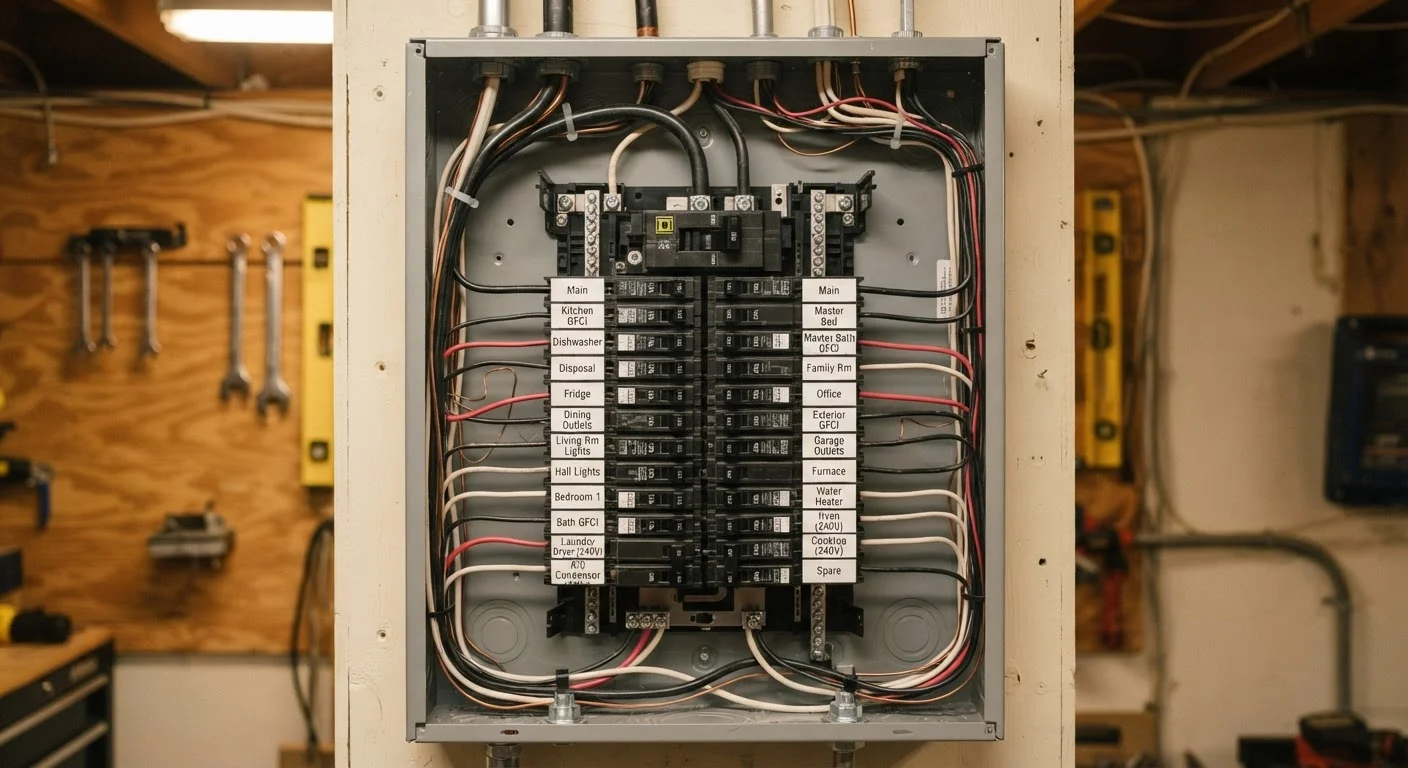
BEVs currently carry the highest average transaction prices among the four types, though that gap has narrowed. Electricity is generally cheaper per mile than gasoline at current average rates, and BEV maintenance costs are lower - fewer fluids, no timing belts, and brake wear reduced by regenerative braking. Buyers considering a BEV should budget for a Level 2 home charger installation if their home electrical panel supports it. See our guide to home electrical panels if you're unsure about your home's capacity.
Once you've narrowed your powertrain, understanding your financing options is a logical next step before you visit a dealer.
Check Incentives Before You Commit
Federal tax credits for new electrified vehicles are subject to income thresholds, vehicle price caps, and manufacturing requirements that change periodically. State and utility rebates may also apply and can be stacked with federal credits in some cases. Always verify your eligibility with a qualified tax professional or the IRS website before factoring incentives into your budget.
Lifestyle Fit: Charging, Range, and Daily Habits
The most technically capable vehicle is the wrong choice if it doesn't fit how you actually live. Two questions matter more than almost any spec sheet: Where do you park overnight? and How far do you drive each day?
Drivers who park in a private garage or driveway have the simplest path to home charging. Those in apartments or dense urban areas relying on street parking face a genuine infrastructure barrier that makes BEVs - and to a lesser extent PHEVs - harder to operate conveniently.
Daily commutes under 40 miles put a PHEV in a compelling position: many trips can be completed entirely on electricity, with gasoline held in reserve for longer travel. Drivers with longer or less predictable daily mileage benefit more from a BEV's larger battery or a standard hybrid's simplified refueling experience.
Road trip frequency matters too. BEV charging networks have expanded significantly, but charging still takes longer than refueling at a gas station, and public fast charger availability varies by region. PHEVs and standard hybrids sidestep this entirely.
Towing, payload, and body style preferences interact with powertrain choice as well. See our guide to matching vehicle type to your daily life for a fuller picture of how body style and powertrain decisions intersect. And if you're weighing the financial trade-offs of ownership versus leasing an electrified vehicle, our article on leasing vs. buying covers what most shoppers overlook.