Why Seasonal Disruptions Are Predictable - and Plannable
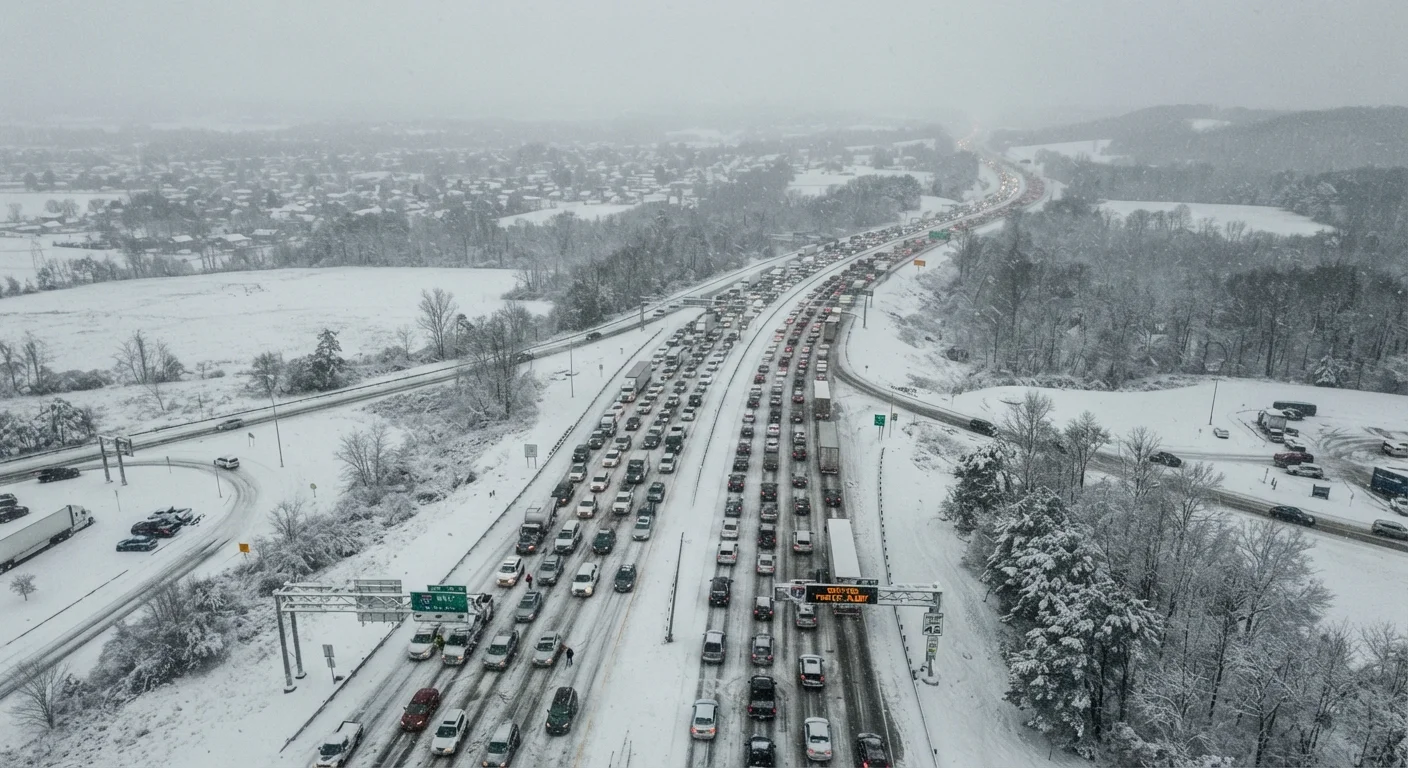
Most travel disruptions aren't random. Winter storms hit mountain passes in January. Hurricanes peak in the Gulf and Atlantic from August through October. Theme parks hit capacity on school holidays that follow the same calendar every year. The underlying patterns are durable enough that with a little research, you can identify the highest-risk windows before you book anything.
The goal isn't to avoid all risk - it's to understand which risks apply to your specific route and dates, then decide whether to absorb them, insure against them, or sidestep them. That framing keeps planning practical rather than paralyzing. See the broader travel budgeting hub for context on how timing decisions ripple through your total trip cost.
Best Practices for Planning Around Disruptions
The following practices are drawn from common travel planning frameworks and reflect patterns experienced travelers use consistently to reduce disruption exposure.
Research destination-specific disruption windows before choosing travel dates
Generic advice about 'avoiding summer crowds' isn't actionable. Each destination has its own peak and high-risk periods - a mountain pass may be impassable in March while a Florida beach is at its most pleasant. Targeted research gives you specific dates to work around rather than vague seasons to avoid.
Build at least one buffer day into multi-leg itineraries
A single weather delay that causes you to miss a connection or a prepaid hotel night can cascade into significant unplanned costs. A buffer day - even if never used - creates slack that absorbs disruptions without forcing you to scramble. It also eliminates the stress of back-to-back tight connections.
Use refundable or flexible booking options for high-disruption-risk legs
Not every element of a trip carries equal disruption risk. A flexible-rate hotel near an airport during winter travel season is worth more than a discounted non-refundable rate, because that leg is most likely to be affected. Concentrate booking flexibility where risk is highest.
Avoid booking through holiday blackout windows without a contingency plan
The days immediately before and after Thanksgiving, Christmas, and July 4th are the highest-demand, highest-disruption windows in the US travel calendar. Prices spike, flights fill, and customer service queues lengthen. Traveling within these windows without a backup plan is a calculable risk.
Monitor weather and road conditions actively in the two weeks before departure
Disruption planning doesn't end at booking. Conditions evolve, and early awareness gives you more options - rebooking flexibility is far greater 10 days out than 10 hours out. Set up weather alerts for your destination and any en-route mountain passes or weather-sensitive corridors.
Quick Actions You Can Take Right Now
If you have a trip on the horizon - even months out - these steps can meaningfully reduce your disruption risk without requiring you to overhaul your itinerary.
Timing decisions carry more budget weight than most travelers realize. The flexible dates vs. fixed itineraries guide breaks down exactly how date flexibility translates to cost differences across booking categories.
The Numbers Behind Disruption Risk
Understanding the scale of seasonal disruptions helps calibrate how much contingency planning is actually warranted.
45%
US flights delayed or cancelled in peak winter months
According to Bureau of Transportation Statistics data, December and January consistently show the highest rates of weather-related flight disruptions in the US.
~53M
Americans traveling over Thanksgiving weekend
AAA estimates that roughly 53 million Americans travel over the Thanksgiving holiday period, making it one of the two busiest travel windows of the year.
2-3x
Higher accommodation demand during peak holiday windows
Lodging analytics firms consistently report that hotel occupancy rates in popular US leisure destinations run two to three times higher during peak holiday weekends versus comparable off-peak dates.
When disruptions do hit your budget, they tend to compound quickly - unexpected hotel nights, rebooking fees, and meals add up fast. The travel budget breakdown guide covers exactly how unplanned costs accumulate and what to do when they do.
Shoulder Season as a Built-In Disruption Buffer
One structural solution to disruption risk that often gets underused: shift your travel window to shoulder season - the weeks just before or just after peak travel periods. You get meaningfully lower crowd density, shorter security lines, and more booking flexibility, all of which make it easier to absorb a one-day weather delay without your trip unraveling.
“The traveler who plans for disruption rarely experiences it as a crisis - it becomes just another variable they already accounted for.”
— Travel Planning Editorial Team, US Travel Research and Planning Editorial Staff
Shoulder season isn't universally available - some destinations have a genuine off-season where services close - but for most US road trip corridors and popular domestic destinations, there's a window of two to four weeks on either side of peak that offers most of the experience at lower friction. The US road trips planning hub has route-specific guidance that includes seasonal considerations for major corridors.
For a parallel look at how seasonal timing affects purchases outside of travel, peak vs. off-season pricing patterns apply in many categories the same way they do in travel bookings.
This article provides general travel planning information. Prices, schedules, and conditions change - always verify current details with official sources, carriers, and accommodation providers before booking.