How Fare Class Controls Your Seat Options
The single biggest factor in seat selection isn't how much you paid - it's which fare class your ticket falls into. Airlines divide tickets into named categories (often labeled with letters like Y, B, M, or Q internally) that carry different rules about seat access, changes, and baggage.
At the restrictive end, basic economy fares - sold by most major US carriers - exclude advance seat selection entirely. You'll receive a randomly assigned seat at check-in, with no ability to choose in advance unless you pay an upgrade fee. Standard economy fares typically allow free selection of middle and window seats in the main cabin, with exit rows and bulkheads costing extra. Preferred seats - which are regular seats near the front of coach - often carry a modest fee purely for the convenience of deplaning faster.
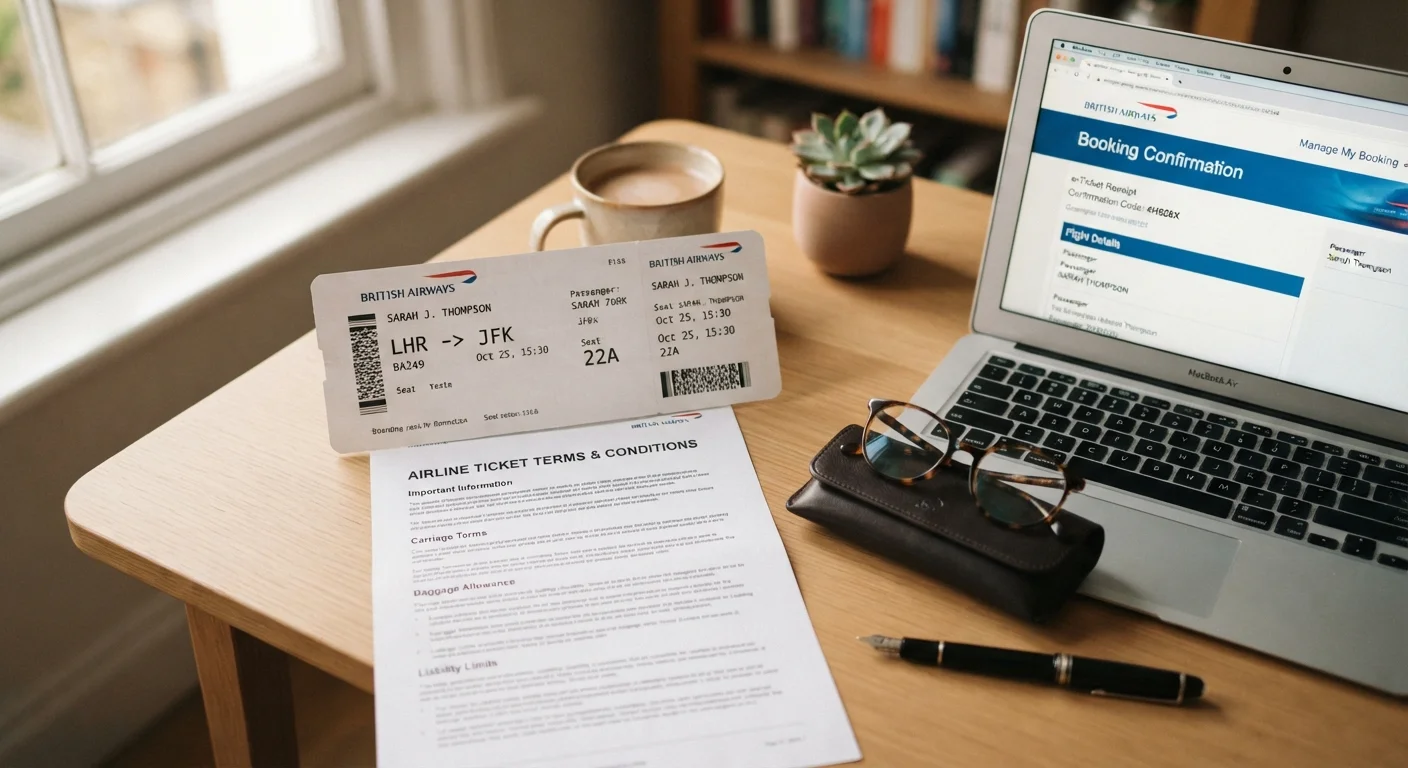
Understanding fare rules before you buy is essential. Reading the fine print on airline tickets explains exactly what to look for in the fare conditions before you confirm a purchase.
Check Your Fare Rules Before Paying for a Seat
Before paying a seat selection fee, confirm your fare class rules. Some standard economy tickets include free seat selection in the main cabin - meaning you may be paying for something already included. Look for a 'fare details' or 'what's included' link during checkout, not just the base ticket price.
The Seat Map: What the Colors and Labels Actually Mean
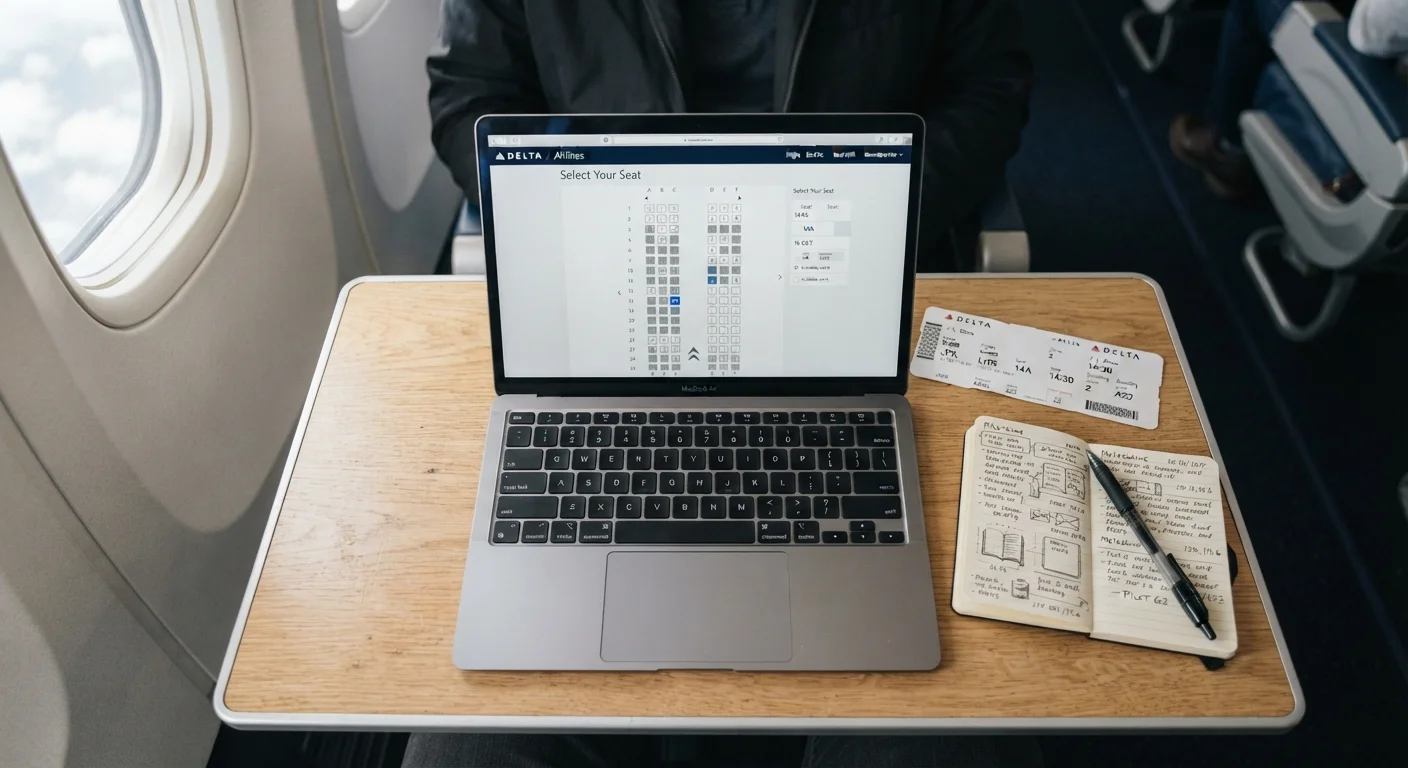
When you open a seat map during booking, you're looking at a real-time snapshot of inventory - and the color coding varies by airline, but the logic is consistent. Seats shown in gray or with a lock icon are blocked: held for elite loyalty members, crew, or passengers with accessibility needs. Green or white seats are available for selection at no charge (depending on your fare class). Seats shown in a distinct color - often blue or yellow - are fee-based preferred or extra-legroom options.
Exit row seats require passengers to meet specific physical and age criteria (typically 15 or older, able to assist in an emergency) and carry fees on most airlines. Bulkhead seats (the row directly behind a dividing wall) offer more legroom but usually lack underseat storage, which matters if you're traveling with a carry-on. See carry-on vs. checked bag trade-offs for how that storage question fits into your broader packing strategy.
~40%
Share of economy seats typically fee-based
Industry analysts estimate a significant portion of economy cabin seats on US carriers now carry an additional selection fee, up from near zero a decade ago.
24 hrs
Typical check-in window for seat release
Most US airlines open online check-in 24 hours before departure, which is when elite-held seat inventory is often released to general passengers at no charge.
3-6 inches
Extra legroom in premium economy rows
Exit row and economy-plus seats typically add 3 to 6 inches of seat pitch compared to standard economy, varying by aircraft and airline configuration.
Loyalty Status and Complimentary Upgrades
Frequent flyer status has a direct, tangible impact on seat selection. Elite members - at various tier levels - typically receive complimentary access to preferred seats and sometimes extra-legroom rows that regular passengers pay for. More importantly, airlines hold a portion of desirable seats in reserve specifically for these members until close to departure.
If you're not an elite member, this means seats that look unavailable during booking may appear on the seat map as free options when you check in 24 hours before your flight. It's a common and reliable strategy: wait for check-in, see what opened up, and select from that inventory at no charge.
Complimentary upgrades to business or first class - when they happen - are typically assigned at the gate for elite members, standby passengers, or operational reasons. They are not something you can reliably count on or plan around. Flight search myths covers similar misconceptions about how airline pricing and availability actually work.
Practical Seat Strategy for Different Trip Types
Your optimal seat depends on the trip, not just personal preference. Here's a straightforward framework:
- Short domestic flights (under 2 hours): Skip the seat fee. Take whatever is assigned or select a free option at check-in. The difference in comfort is minimal for such a short duration.
- Long-haul or overnight flights: A window seat lets you lean against the wall and control your sleep position. Worth selecting early, especially on wide-body aircraft where the middle sections are harder to escape.
- Tight connections: A seat near the front of the cabin can mean the difference between making your next flight and missing it. See how connecting flights work for more on managing layover risk.
- Traveling with others: Book early or use check-in timing strategically. Airlines rarely guarantee adjacent seats for parties who don't pre-select, even when the booking is on the same reservation.
Seat Assignments Are Not Guaranteed
Even if you've paid for or selected a specific seat, airlines can reassign it due to aircraft substitutions, weight-and-balance adjustments, or operational requirements. This happens more frequently than most travelers expect. If it occurs to you, contact the airline immediately - gate agents often have more flexibility than phone agents to find an acceptable alternative.