The Real Cost Comparison
Luggage fees are one of the most reliably underestimated line items in travel budgets. On most major US carriers, a checked bag runs roughly $30-$40 each way - meaning a round-trip domestic flight can add $60-$80 per bag before you've left the terminal. For a family of four each checking a bag, that's potentially $240-$320 added to a trip that looked cheaper on the booking screen.
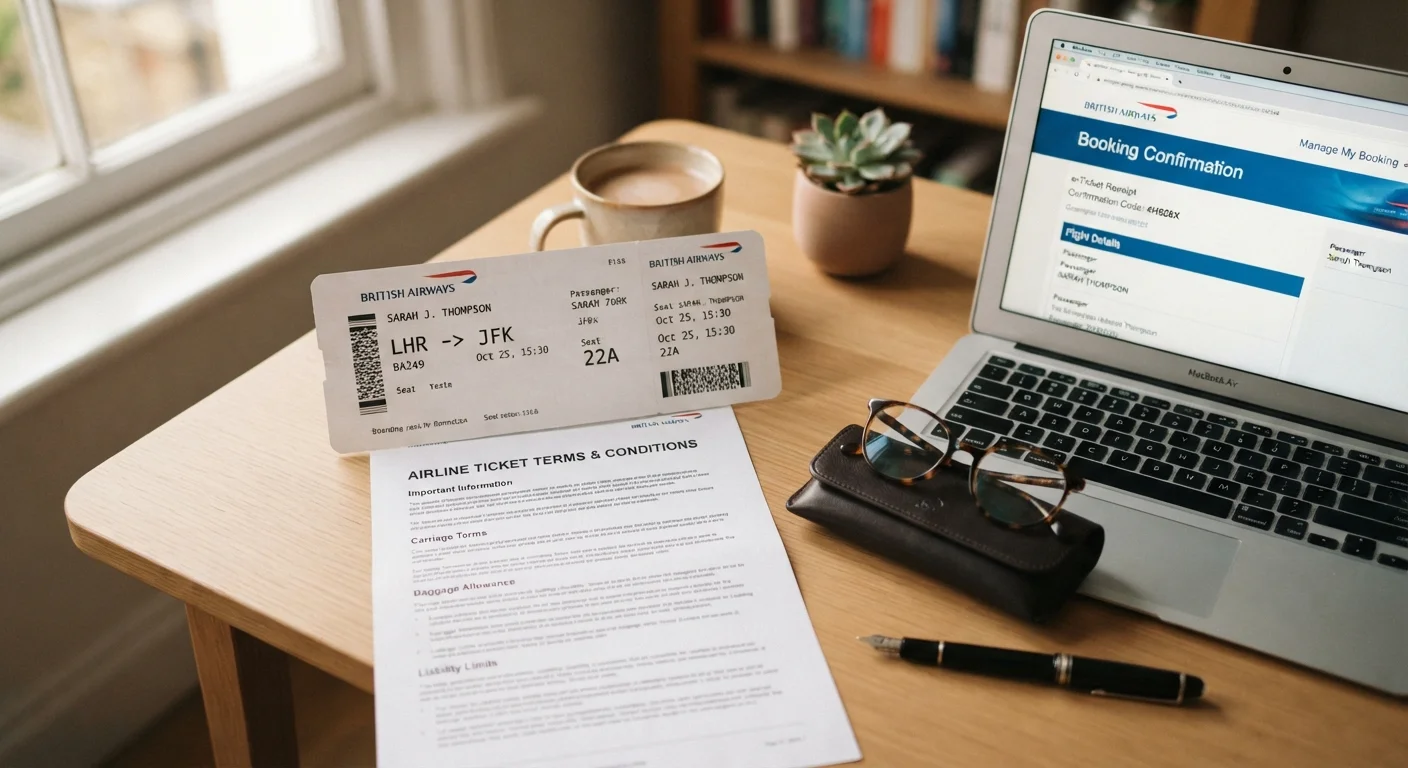
Carry-on bags are typically included at no charge on full-service carriers, but that's not universal. Ultra-low-cost carriers often charge for overhead bin access, and some fare classes on standard airlines exclude it. Before assuming carry-on is free, read the fare rules carefully - the cost structure is often buried in ticket terms.
Luggage fees are also one of the small travel costs that add up fastest, especially on multi-leg itineraries where fees may apply per segment.
$30-$40
Typical US domestic checked bag fee, each way
Most major US carriers publicly list first checked bag fees in this range; fees vary by airline, fare class, and loyalty status.
5-7 per 1,000
Bags mishandled per 1,000 passengers
Based on US Department of Transportation Air Travel Consumer Reports tracking airline baggage handling performance.
Carry-On: Where It Works and Where It Doesn't
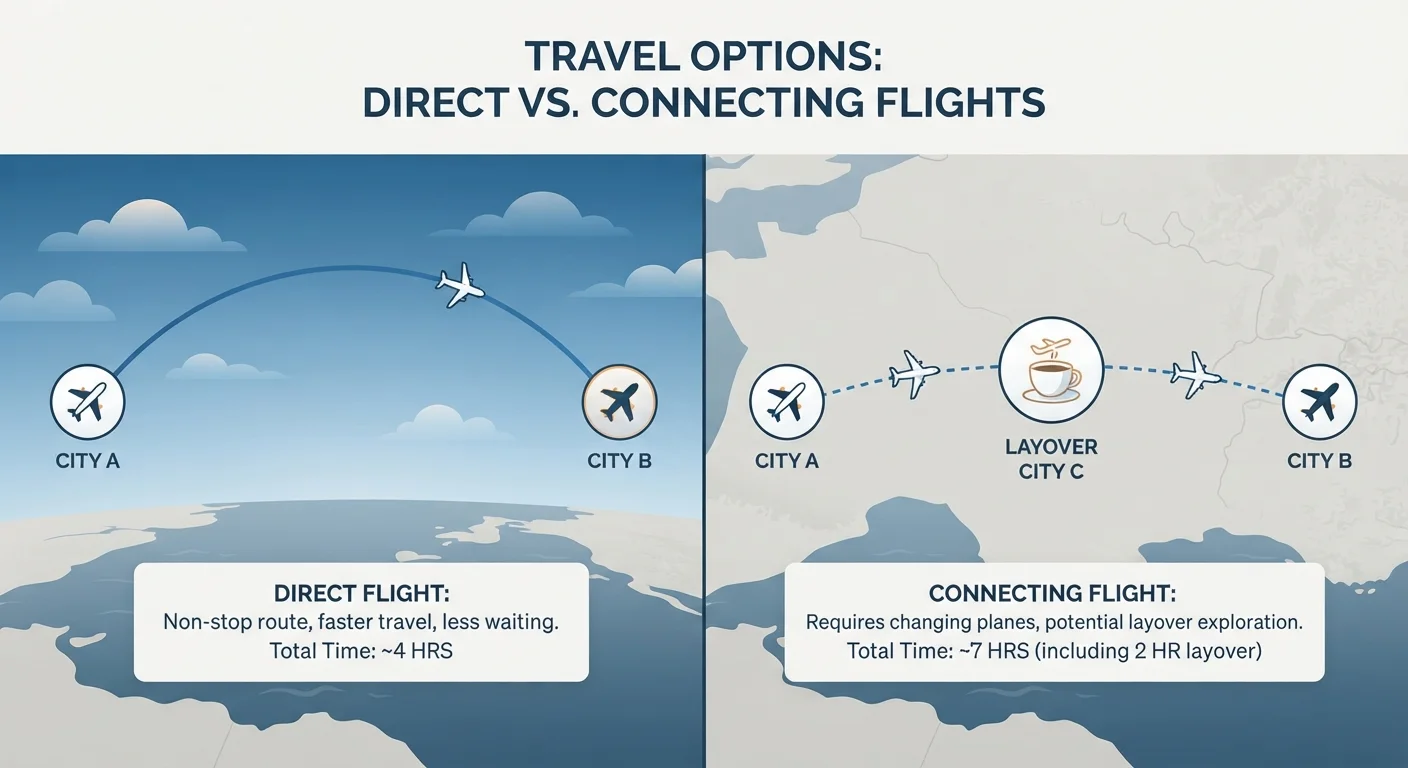
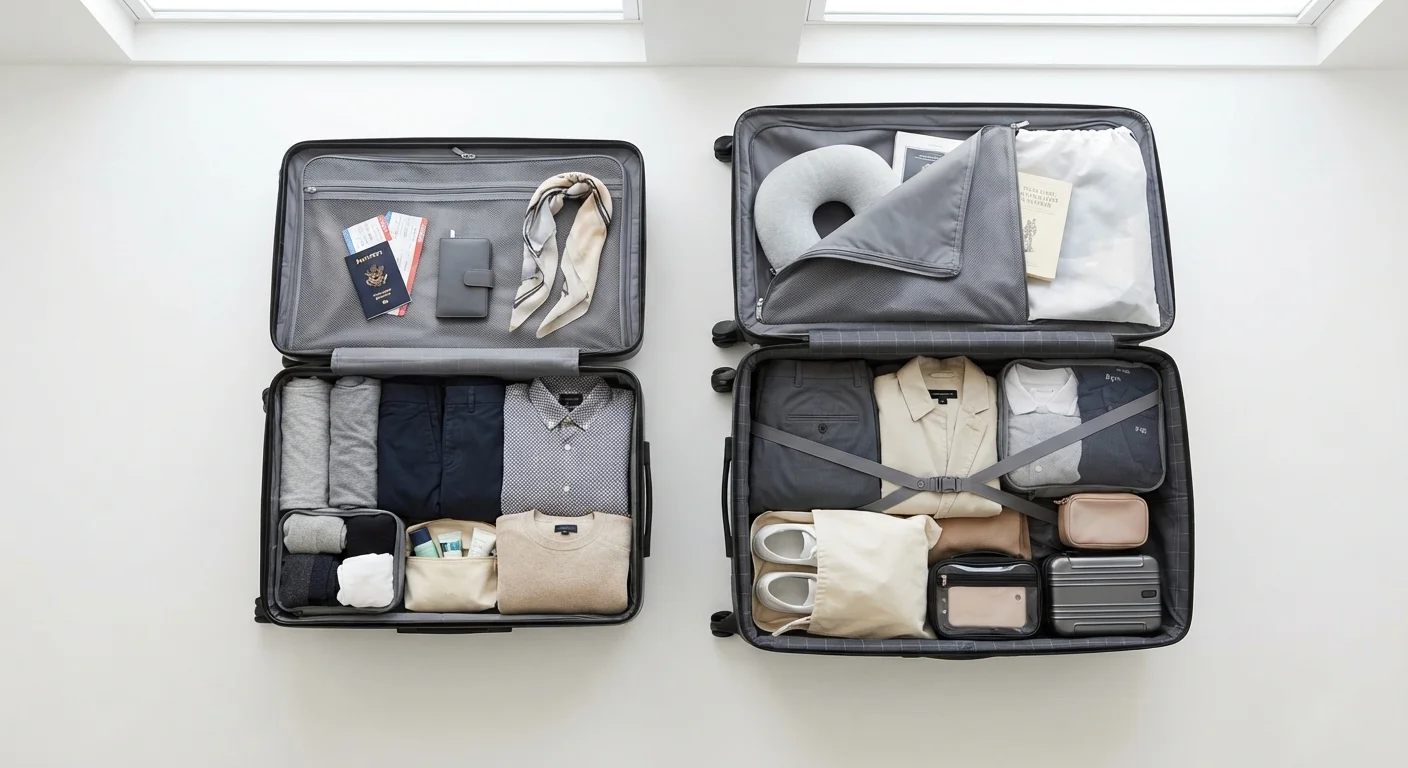
The strongest argument for carry-on travel is control. You board with your bag, you deplane with your bag, and you're at the rental car counter or train platform while checked-bag travelers are still watching a luggage carousel. On tight connections, carry-on also eliminates the risk of your bag missing a transfer - a meaningful concern on connecting flights where timing is already a variable.
The limitation is volume. Most airlines allow a carry-on up to 22 x 14 x 9 inches, which is workable for trips of three to five days if you pack efficiently. Beyond that, the math gets harder. Liquids over 3.4 oz must be checked, which rules out full-size toiletries. And if you're traveling in winter or need sport or outdoor gear, a carry-on simply won't accommodate it.
No checked bag fees on most full-service carriers
Carry-on bags are included in standard fares on major US airlines, which can save $60-$80 or more per person on a round trip compared to checking a bag.
Faster airport experience from gate to street
Skipping bag drop and baggage claim can cut 30-45 minutes from each end of your trip, a meaningful advantage on short or time-sensitive travel.
No risk of bags being lost or delayed
Airlines cannot mishandle what stays in the cabin with you - a practical advantage on connecting itineraries or trips where arriving with your belongings on time matters.
More flexibility for last-minute itinerary changes
Carry-on travelers can switch flights more easily without waiting for bags to be transferred or re-tagged, which is especially useful during disruptions.
Checked Bags: The Case for More Space
Checked bags make sense when packing light isn't realistic. Week-long trips, family travel with children, beach or ski vacations - these scenarios often require more than an overhead bin can hold. A checked bag also lets you bring liquids freely, pack shoes without playing Tetris, and avoid the mental overhead of curating every item.
The trade-offs are time and cost. Beyond the fees, checked bags add 20-45 minutes to your airport experience on each end - time at check-in (or bag drop) and time at baggage claim on arrival. There's also a small but real risk of delay or loss. Airlines mishandle roughly 5-7 bags per 1,000 passengers according to Department of Transportation consumer reports, with most resolved within 24 hours but occasionally taking longer.
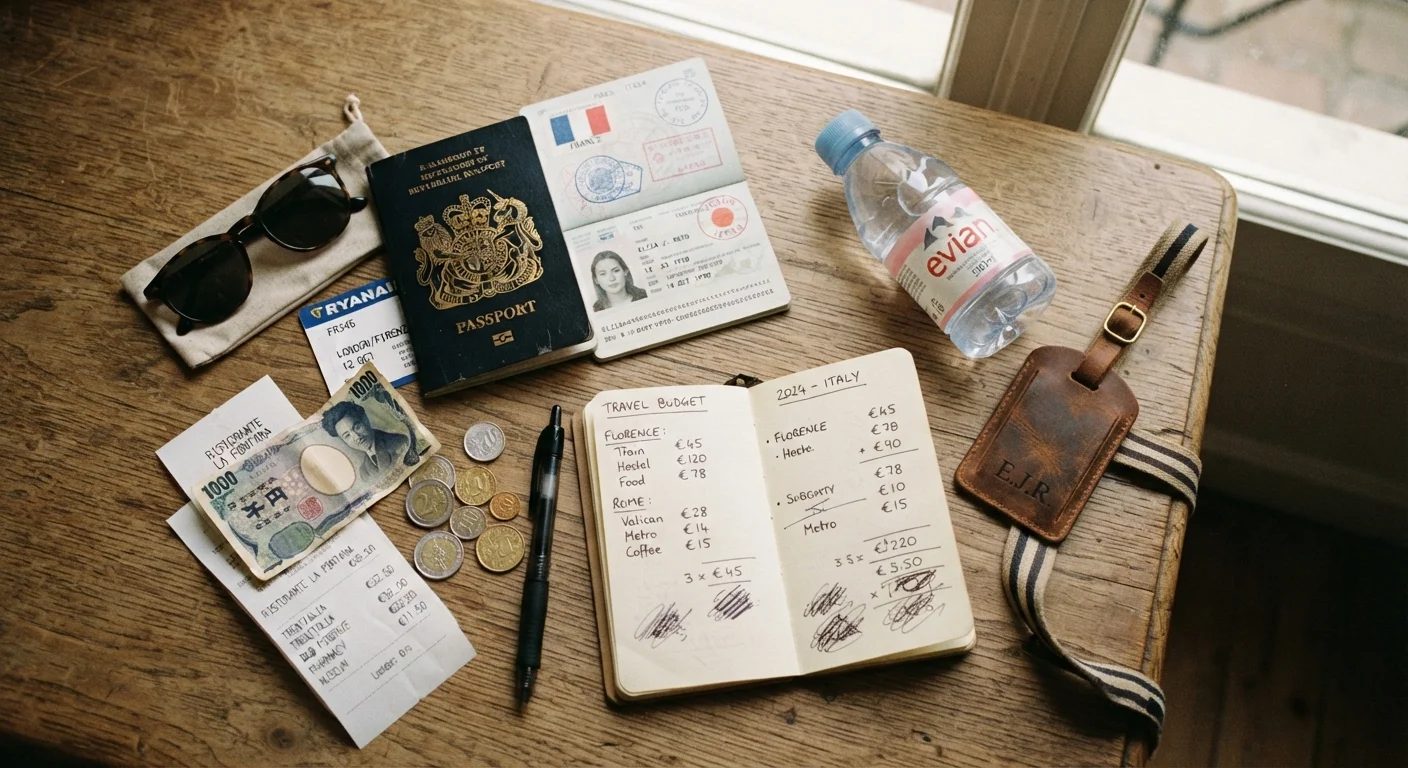
If you're managing a detailed trip budget, factoring in checked bag fees from the start - rather than discovering them at checkout - keeps the numbers honest.
Strict size and weight limits constrain packing
Most US airline overhead bin limits cap bags at around 22 x 14 x 9 inches. Overpacked or oversized carry-ons are often gate-checked - with a fee - negating the main advantages.
Liquid restrictions apply to cabin baggage
TSA's 3-1-1 rule limits liquids to containers of 3.4 oz or less in a single quart-size bag, making it impractical to carry full-size toiletries.
Overhead bin space isn't guaranteed
On full flights, passengers boarding late may find bins full and have their carry-on checked at the gate - sometimes with a fee and always with a delay.
Not practical for longer trips or specialty gear
Week-plus trips, ski equipment, photography gear, or travel with children typically require more volume than a single carry-on provides.
How to Decide Before You Book
Run through these questions before committing to a packing strategy:
- How long is the trip? Five days or fewer strongly favors carry-on. Beyond a week, a checked bag often makes logistical sense.
- What's the fare class? Some basic economy fares exclude overhead bin access entirely. Understanding what your ticket actually includes before booking prevents surprises at the gate.
- How many connections? Each connection is a transfer point where checked bags can miss the flight. Carry-on removes that variable.
- What do you need to bring? Medications, valuables, and anything you can't afford to lose should always travel with you in the cabin, regardless of your main bag strategy.
- Are you sharing costs? Two people sharing one checked bag is often more economical than each paying for a carry-on upgrade on a budget carrier.
Neither option is inherently smarter - it's a function of your specific itinerary, what you're packing, and the airline's fee structure. Build the bag decision into your planning early, not as an afterthought at the airport.
Elite Status and Credit Card Perks Change the Math
Airline elite status and co-branded credit cards frequently include free checked bag benefits - sometimes for the cardholder and one or more companions. If you or a travel companion hold these benefits, the fee comparison shifts considerably. Check your card or loyalty program terms before defaulting to carry-on solely to avoid fees.