
Why One-Time Tricks Don't Build a Travel Budget
Most travel-savings advice focuses on one-off moves: book on a Tuesday, use a specific app, catch a flash sale. These tactics aren't worthless, but they're unpredictable and can't be relied on as a foundation. What actually makes travel affordable over time is a set of consistent financial behaviors practiced between trips - not scrambling for deals in the weeks before departure.
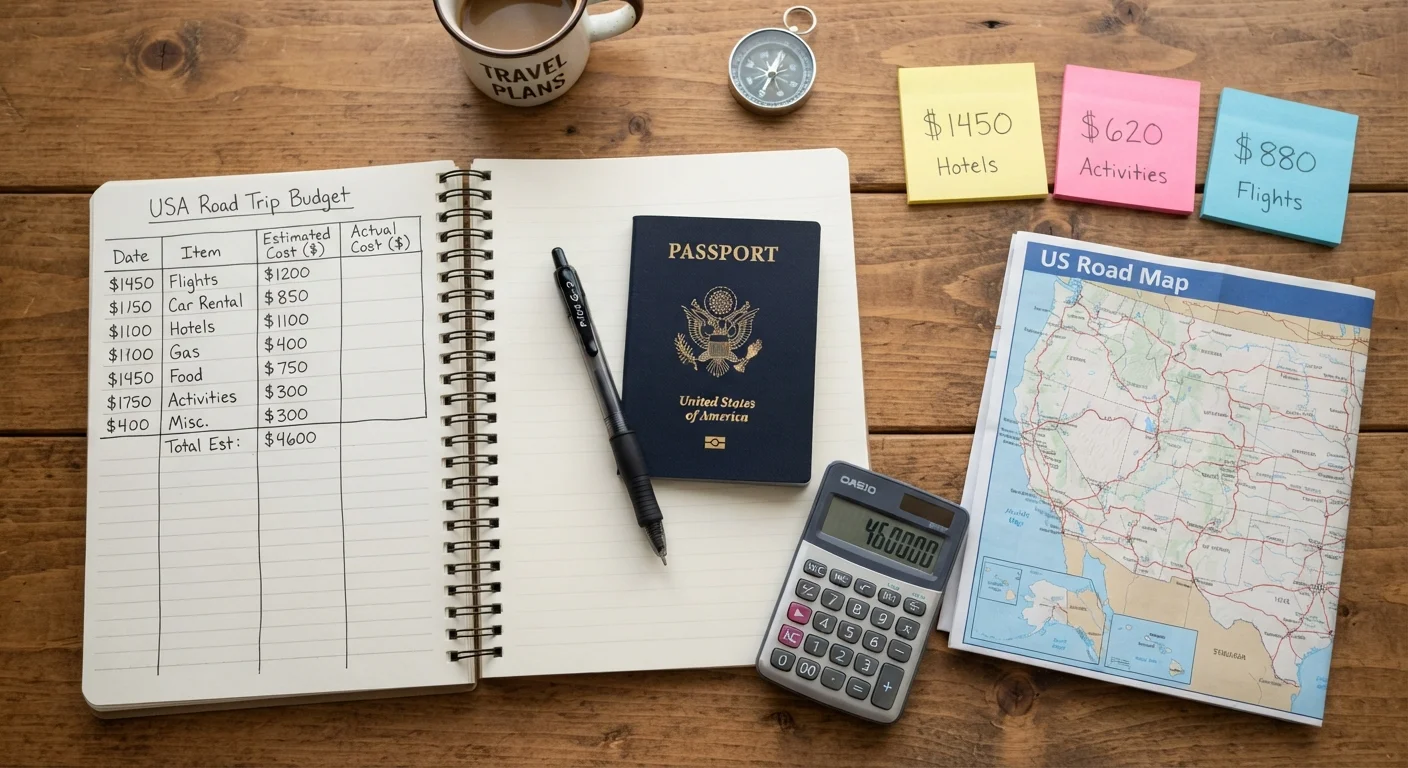
If you're starting from scratch, our travel budgeting foundation guide covers the core cost categories and realistic planning habits worth establishing first. This article builds on that groundwork with the habits that keep travel financially sustainable year after year.
The Financial Habits That Actually Compound
The practices below aren't glamorous, but they're durable. Each one addresses a specific place where travel budgets typically erode - and each is something you can act on before your next trip is even planned.
It's also worth auditing the small costs that accumulate during trips themselves. Our piece on small travel costs that add up fastest breaks down the line items - resort fees, luggage charges, tourist-zone markups - that most travelers underestimate until they see the credit card statement.
Connecting Travel Savings to Everyday Financial Habits
Travel budgeting doesn't exist in isolation. The same principles that make monthly household budgeting effective - tracking, automating, reducing friction - apply directly to travel funds. If you want a broader framework for building spending awareness into your daily routine, the Budgeting Basics hub offers practical strategies for tracking and structuring monthly finances.
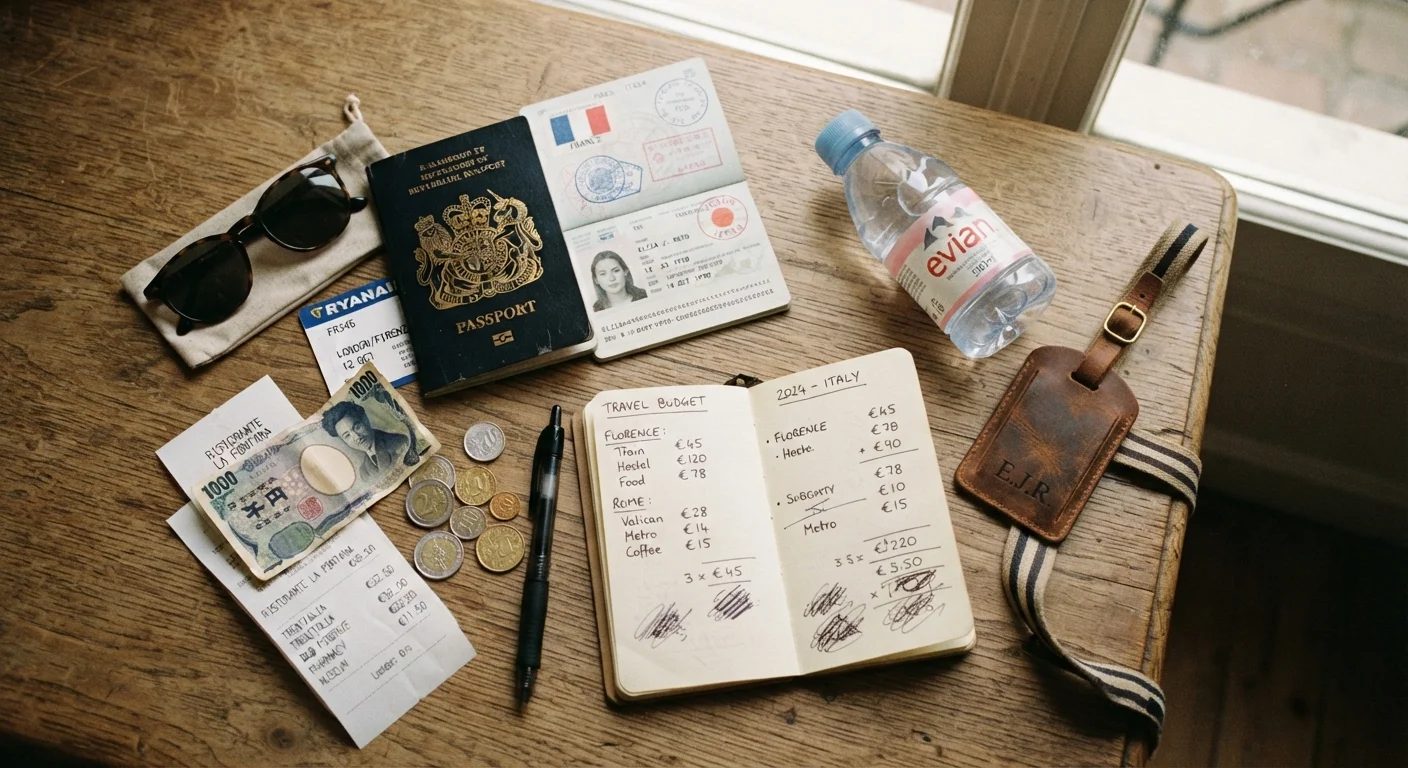
One habit worth developing early: recording what you actually spent on each trip, not just what you planned to spend. Comparing your pre-trip estimate to the final tally reveals consistent gaps - the airport meals you forgot to budget, the transit card you didn't anticipate - and makes each future budget more accurate. Over two or three trips, your estimates will become substantially more reliable.
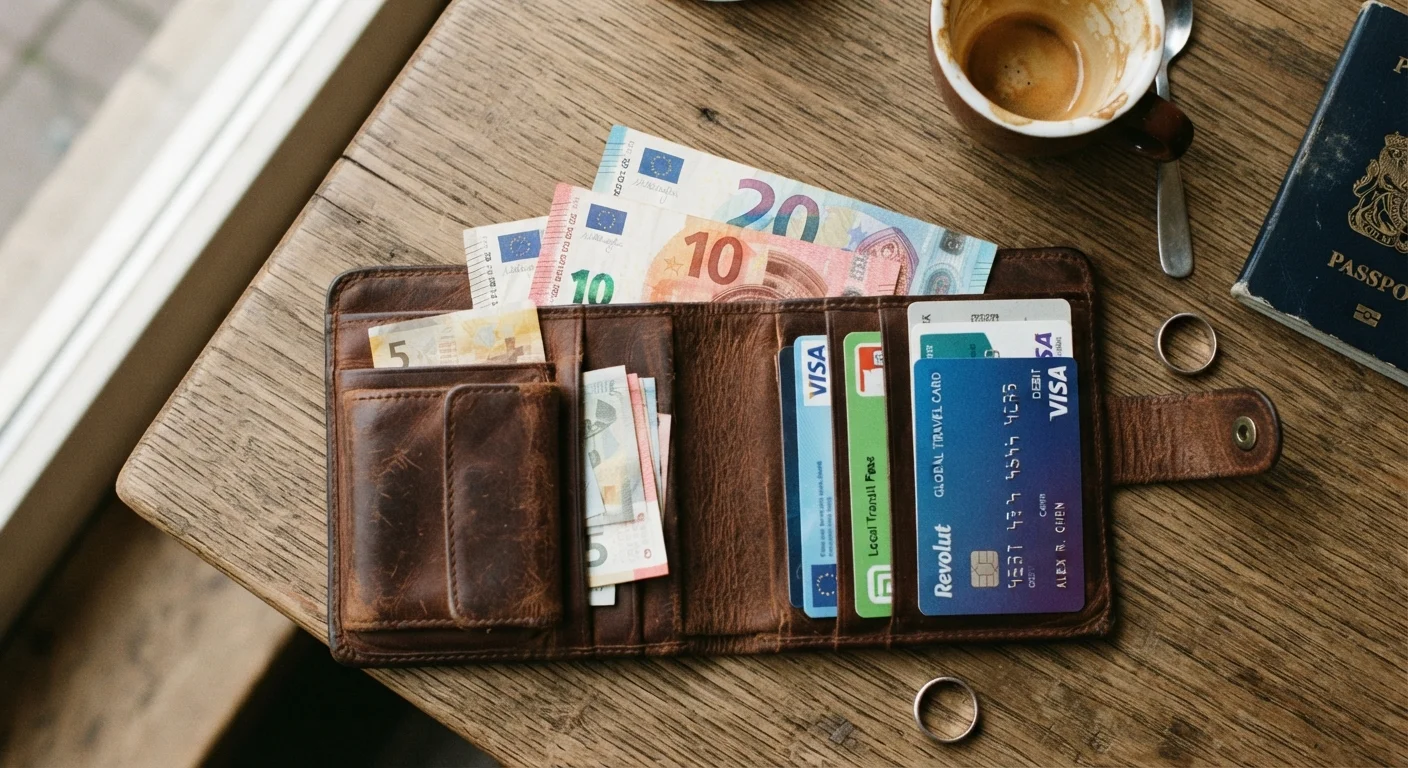
For decisions about managing money while traveling internationally, including foreign transaction fees and ATM costs, see our overview on carrying cash vs. cards abroad.
This article provides general financial information for educational purposes only and does not constitute personalized financial advice. For guidance specific to your situation, consult a qualified financial professional.