Why a Familiar Cue Can Break Down
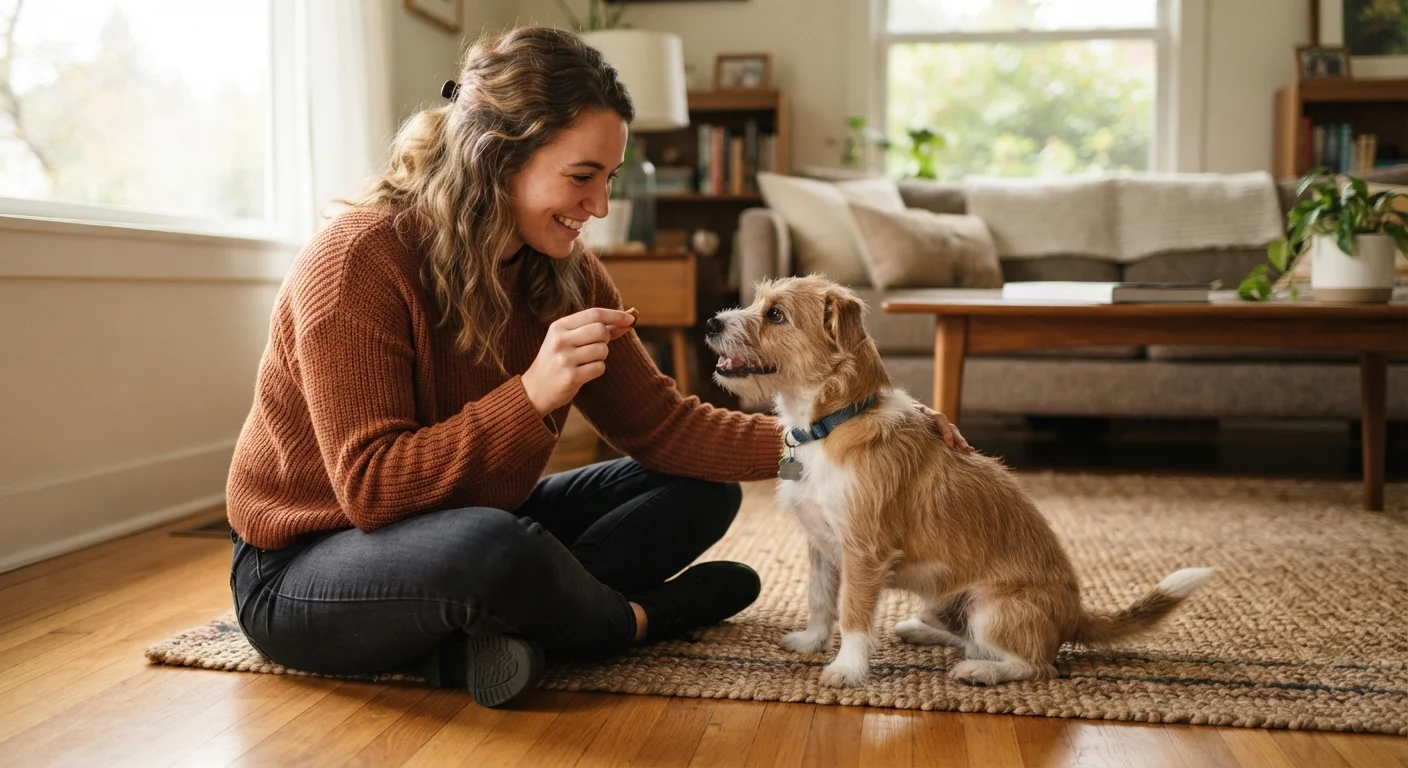
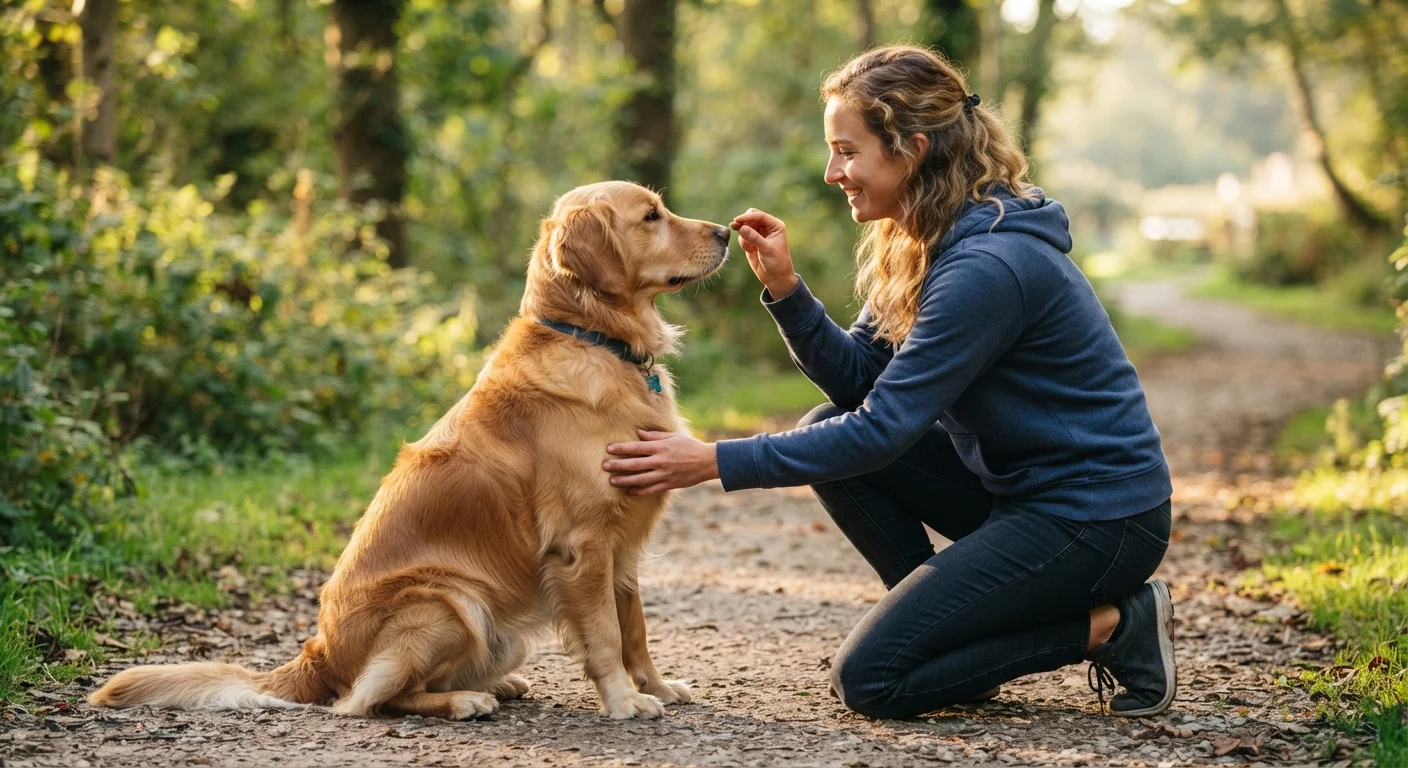
It's a frustrating moment: your dog sits perfectly during morning training sessions, then acts as though "sit" is a foreign word at the vet's office or when guests arrive. This isn't stubbornness - it's a predictable gap in how learning transfers across contexts.
Dogs learn behaviors in association with the specific environment, sounds, and conditions present during training. When those conditions change dramatically, the cue may no longer reliably trigger the response. Understanding this helps you approach the problem with patience rather than frustration. For a grounded overview of how dogs build and retrieve learned behaviors, see the science behind how dogs learn.
Rule Out Physical Causes First
Before assuming a training problem, consult your veterinarian. A dog that suddenly stops responding to familiar cues - especially physical ones like "sit" - may be experiencing joint pain, hearing loss, or another medical issue. Behavioral changes that appear abruptly warrant a health check before any retraining begins.
Common culprits behind a broken "sit" fall into a few clear categories: inconsistent human behavior, insufficient generalization, and - less often but critically - an underlying physical or emotional issue your dog can't communicate directly.
The Most Common Mistakes - and How to Fix Them
Most "sit" failures trace back to handler errors rather than dog errors. The good news: these mistakes are correctable once identified.
Giving the cue in a loud, distracting environment before the behavior is fully generalized.
Why it happens: Owners often assume that because a dog sits reliably in the living room, the skill will transfer automatically to the dog park or street.
Using the cue word inconsistently - sometimes saying "sit," other times "sit down" or "go sit."
Why it happens: Natural human speech varies, but dogs are not fluent in language nuance. They learn specific sound patterns, not concepts.
Accidentally reinforcing non-compliance by repeating the cue, coaxing, or eventually giving the treat anyway.
Why it happens: Owners feel guilty or impatient, so they soften the criterion - ultimately teaching the dog that holding out pays off.
Expecting perfect performance when the dog is overexcited, fearful, or stressed.
Why it happens: High emotional arousal suppresses the dog's ability to access learned behaviors - a well-documented phenomenon in animal learning.
Fading treats too quickly, leaving the dog with no reliable motivation to comply.
Why it happens: Owners hear that they should stop using treats but misunderstand when and how to phase them out gradually.
If you're building fresh habits after identifying these patterns, the step-by-step framework in first-week dog training offers a reliable structure to reset from. And if you're unsure whether a myth about dominance or "showing who's boss" is shaping your approach, common training myths is worth reviewing.
Avoid Repeating the Cue Repeatedly
Saying "sit, sit, SIT" teaches your dog that the first word carries no weight. Each repetition devalues the cue further. Instead, give the cue once, pause to allow processing time, and use a prompt (like a hand signal or gentle lure) if no response comes within a few seconds.
Rebuilding a Reliable Response
When a cue has eroded, treat it as a reset rather than a punishment. Go back to basics: high-value treats, low-distraction spaces, short sessions, and a single consistent word. Reward generously for early responses - you're rebuilding the dog's confidence that compliance is worth their while.
Gradually reintroduce complexity: add mild distractions, change rooms, practice outdoors. Keep sessions to two to five minutes to avoid mental fatigue. Most dogs regain reliable responses to a familiar cue faster than they originally learned it, provided the training environment is clear and rewarding.
For clarity on the terminology used in these sessions - cues, markers, reinforcement schedules - training signals every pet owner should know is a useful reference to keep nearby.
77%
Dogs rehomed due to behavior issues
According to the American Humane Society, behavioral problems - many of them training-related - are among the most frequently cited reasons dogs are surrendered to shelters.
3-5x
Sessions needed to proof a new environment
Animal behaviorists generally recommend practicing a known cue in at least three to five distinct locations before considering it reliably generalized.
This article provides general educational information about dog training and is not a substitute for personalized guidance from a certified professional dog trainer or veterinarian. If your dog's behavior has changed suddenly or significantly, consult your vet before beginning any retraining program.