How Pet Insurance Actually Works
Pet insurance operates similarly to human health insurance in its basic structure: you pay a monthly premium, and if your pet experiences a covered illness or injury, you submit a claim for reimbursement. Most policies require you to pay the veterinary bill upfront, then the insurer reimburses a percentage - typically 70% to 90% - after your annual deductible has been met.
Coverage is generally centered on unplanned events: accidents such as broken bones or ingested foreign objects, and illnesses ranging from infections to cancer. Crucially, most standard pet insurance policies do not cover pre-existing conditions, meaning health issues present before enrollment - or conditions that develop during a waiting period - are usually excluded from coverage.
Key variables to understand before enrolling include:
- Deductible: The amount you pay out-of-pocket before coverage kicks in (annual or per-incident, depending on the policy).
- Reimbursement percentage: The share of eligible costs the insurer covers after the deductible.
- Annual or lifetime limits: Caps on total reimbursement amounts, which vary significantly between providers.
- Exclusions: Specific conditions, hereditary issues, or treatments not covered under the policy terms.
Because pet insurance is designed around the unpredictable, it functions as a financial safety net rather than a routine-care budget tool. Think of it similarly to how financial educators distinguish between emergency funds and planned expenses - a distinction explored further in our article on saving versus investing.
How Wellness Plans Are Structured
Wellness plans - sometimes called preventive care plans - work on a subscription or prepayment model. Rather than reimbursing you for unexpected costs, they bundle a defined set of routine services into a fixed monthly or annual fee. Common inclusions are annual exams, core vaccinations, parasite screenings, dental cleanings, and sometimes bloodwork.
These plans are frequently offered directly through veterinary practices or veterinary chains, though some pet insurance providers offer wellness riders as add-ons. The services covered are predictable and scheduled, which is what distinguishes the product structurally from insurance.
Calculate Your Expected Annual Costs First
Before signing up for a wellness plan, list all the preventive services your pet typically receives in a year and look up their average costs at your veterinary practice. If the plan fee is close to or less than that total, the plan may offer real value. If your pet skips certain included services, you may be paying for benefits you won't use.
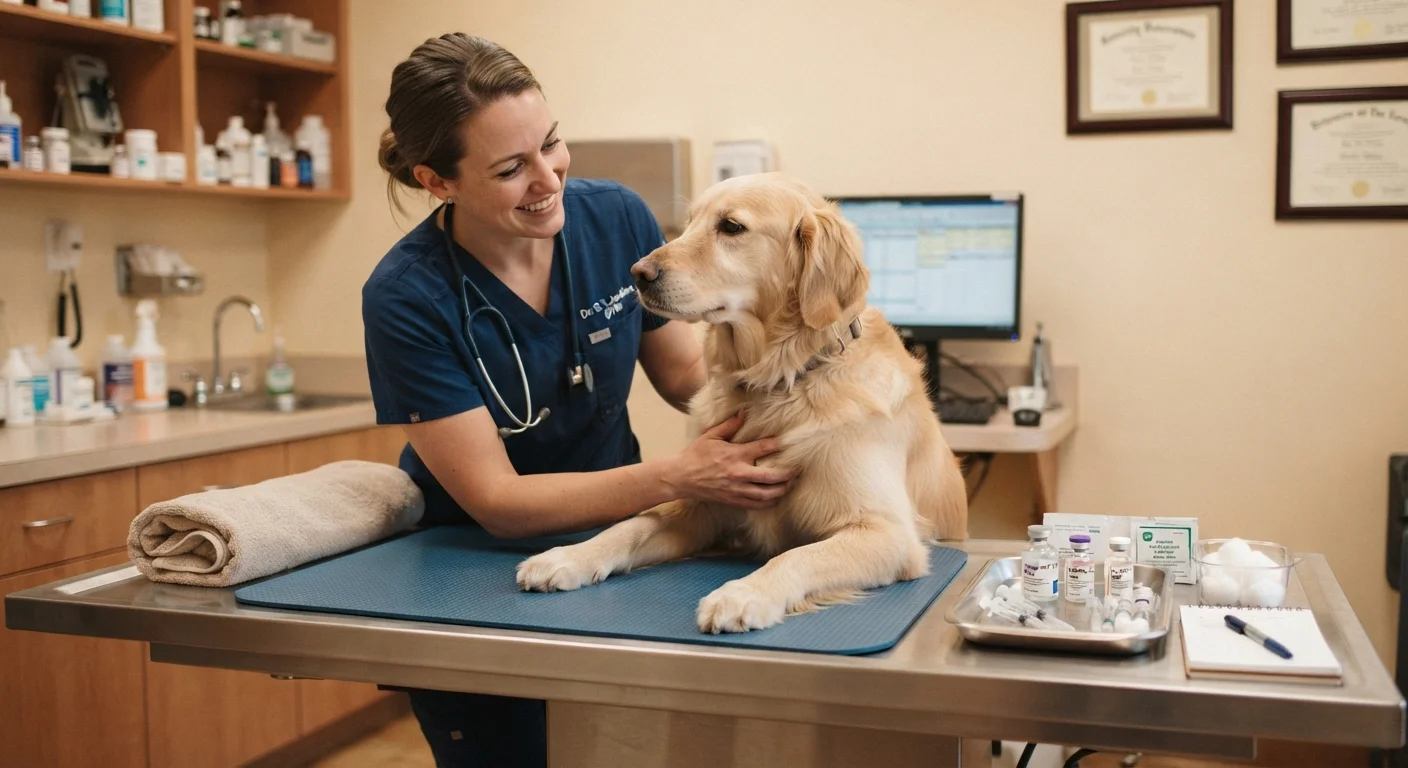
Wellness plans are most financially advantageous when you use most or all of the included services. Before enrolling, itemize which services your pet actually needs that year and compare that cost to the plan fee. This is especially useful to cross-reference with what typically happens during a routine wellness exam.
It is also worth noting that wellness plans generally do not pay out if your pet is unexpectedly hospitalized or diagnosed with a serious illness. They are not insurance - they do not transfer financial risk in the same way.
Side-by-Side: Key Structural Differences
Understanding the structural gap between these two products helps clarify which one - or which combination - fits a given pet owner's situation.
| Pet Insurance | Wellness Plan | |
|---|---|---|
| Primary purpose | Cover unexpected illness or injury costs | Budget for routine preventive care |
| Payment model | Monthly premium; reimbursement after claims | Fixed monthly or annual fee; services included |
| Deductible required | Yes - annual or per-incident | No deductible |
| Pre-existing conditions | Generally excluded | Not applicable - no claims process |
| Covers emergency care | Yes, typically | No |
| Covers routine exams/vaccines | Usually not (unless rider added) | Yes - core purpose of plan |
| Network restrictions | Varies; many are any-licensed-vet | Often tied to specific practice or chain |
| Financial risk transferred | Yes - large unexpected costs | No - planned costs prepaid |
One additional distinction worth noting: wellness plans typically have no deductible and no reimbursement process. You receive services directly at a contracted cost. Pet insurance, by contrast, involves a claims process with documentation requirements, and payment is retrospective. This administrative difference can matter in a stressful moment when your pet needs emergency care.
For vaccinations specifically, some wellness plans include core vaccines as part of the package. Understanding which vaccines your pet requires - and their recommended schedule - can help you assess how much value a plan provides. Our guide on core vs. non-core vaccines offers a useful starting point.
Questions to Ask Before You Enroll
Whether you're evaluating pet insurance, a wellness plan, or both, a structured set of questions can help you avoid surprises after enrollment.
For Pet Insurance
- How does the policy define a pre-existing condition, and does it include curable conditions after a symptom-free period?
- Is the deductible annual or per-incident?
- Are hereditary or breed-specific conditions covered?
- What is the reimbursement basis - actual vet bill, or a benefit schedule set by the insurer?
- Are prescription medications covered? (See our overview of prescription vs. OTC pet medications for context on how those costs can vary.)
For Wellness Plans
- Is the plan tied to a specific practice, or can you use any participating provider?
- Which specific services are included, and are there visit frequency limits?
- What happens to unused services if you cancel mid-year?
- Does the plan roll over unused benefits, or do they expire?
Your veterinarian is a valuable resource when evaluating these options. They can help you anticipate your pet's likely care needs based on age, breed, and current health status - context that shapes which financial structure makes more sense for your household.
This article is for general informational purposes only and does not constitute financial or veterinary advice. Consult a licensed veterinarian and a qualified financial professional before making decisions about your pet's care coverage.