How Regulatory Classification Works for Pet Drugs
In the United States, pet medications fall under the oversight of the Food and Drug Administration (FDA), specifically its Center for Veterinary Medicine (CVM). Whether a drug requires a prescription is determined primarily by its risk profile - not its price point or how prominently it's marketed.
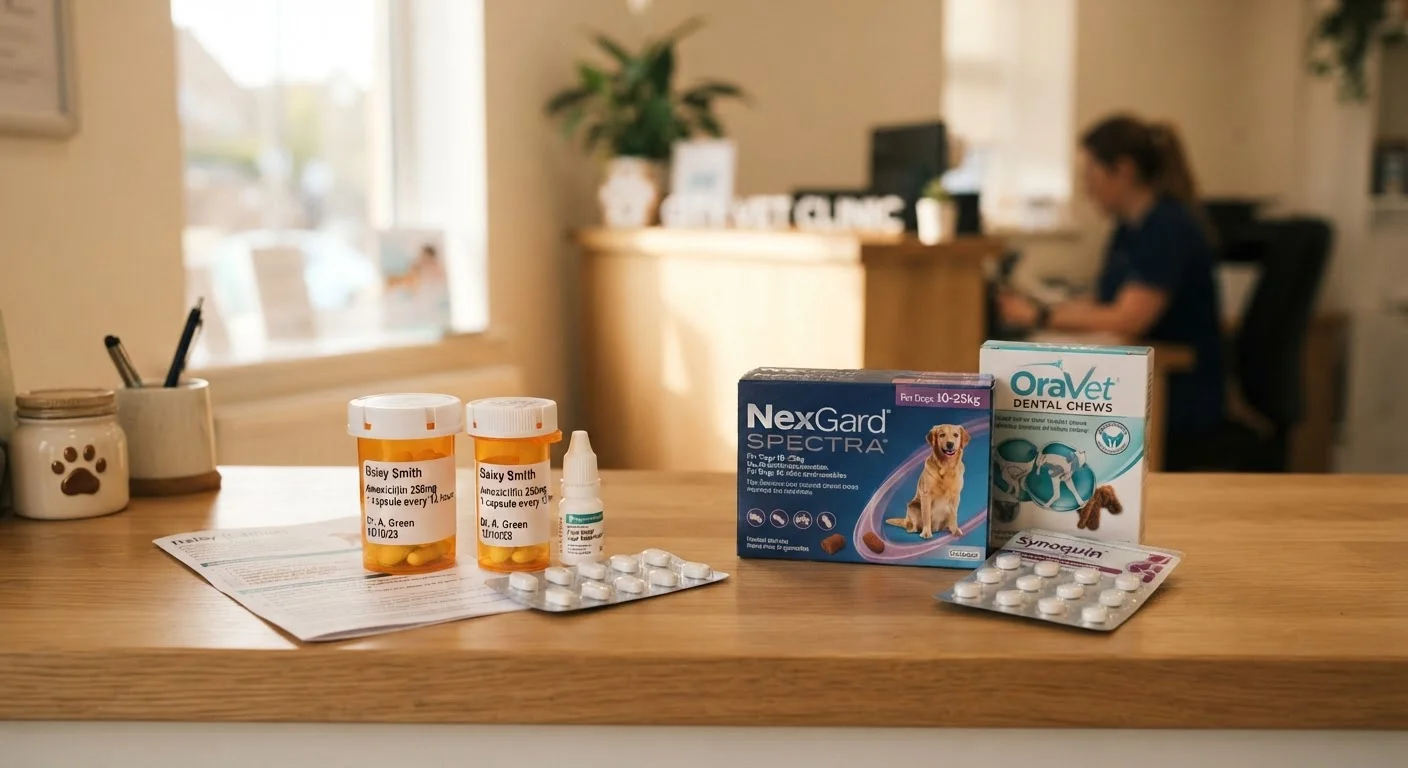
A medication is classified as prescription-only (also called "legend" drugs, after the required label language) when it is deemed unsafe for use without professional supervision. This typically means the drug has a narrow therapeutic index, significant potential for toxicity, species-specific risks, or requires a diagnosis before use is appropriate. Over-the-counter (OTC) products, by contrast, are formulated and evaluated to be safe for general consumer use without individualized guidance.
It's worth noting that the same active ingredient can exist in both categories depending on concentration and formulation. This distinction underscores that the classification system is about safety context, not arbitrary gatekeeping.
| Criterion | Prescription Medications | Over-the-Counter Medications |
|---|---|---|
| Requires veterinary authorization | Yes - valid VCPR required | No - available without a script |
| FDA oversight level | Full approval or INAD process | Approved for general consumer use |
| Typical safety margin | Narrower; monitoring often needed | Wider; formulated for self-administration |
| Appropriate use case | Diagnosed conditions; complex treatment | Minor, well-defined, low-risk issues |
| Species-specific risk | High - vet accounts for species differences | Variable - always read species labeling |
| Off-label / extra-label use | Permitted under vet direction | Generally not applicable |
Why the Veterinarian-Client-Patient Relationship (VCPR) Matters
Before a veterinarian can legally prescribe a controlled or prescription medication in the US, a valid VCPR must exist. This means the vet has examined your pet, knows its health history, and is in a position to make informed medical decisions. Prescriptions issued without this relationship - including some obtained through online pharmacies that skip the VCPR - may be legally and medically problematic.
This structure exists to protect animals. Many drug classes used in veterinary medicine, including non-steroidal anti-inflammatory drugs (NSAIDs), antibiotics, and antiparasitic compounds, carry real risks of organ damage, drug interactions, or treatment failure when misapplied. Establishing a relationship through routine wellness exams ensures that a professional who knows your pet is available when prescription access becomes necessary.
~25%
Pet ER cases linked to medication errors
The ASPCA Animal Poison Control Center consistently lists human and animal medications among the top categories of pet poisoning calls each year.
10,000+
Medication-related pet poisoning calls annually
According to ASPCA Poison Control data, medication exposures - both OTC and prescription - represent one of the largest single categories of calls received each year.
Pet owners sometimes encounter human prescription medications repurposed for animals - a practice called extra-label or off-label use. This is legal when done under veterinary direction, but it reinforces why professional oversight is non-negotiable: dosing, metabolism, and toxicity thresholds differ significantly between species and even between breeds.
Practical Differences That Affect Every Pet Owner
Understanding the day-to-day implications of each category helps you navigate pet care decisions more confidently.
Access and cost: OTC products are available at pet stores, general retailers, and online without documentation. Prescription medications require a written or electronic prescription from a licensed vet, which can be filled at a veterinary practice or a licensed pharmacy. This additional step adds time but also adds a layer of professional verification.
Safety margin: OTC formulations are designed with a wider margin between an effective dose and a harmful dose, accounting for the fact that owners will self-administer them without clinical guidance. Prescription drugs often have narrower margins - which is precisely why monitoring matters.
Species risk: Some compounds safe for dogs are toxic to cats, and vice versa. Permethrin-based flea treatments, for example, are widely available OTC for dogs but are acutely toxic to cats. This is one reason the most common veterinary misconceptions include the belief that any product labeled for pets is broadly safe.
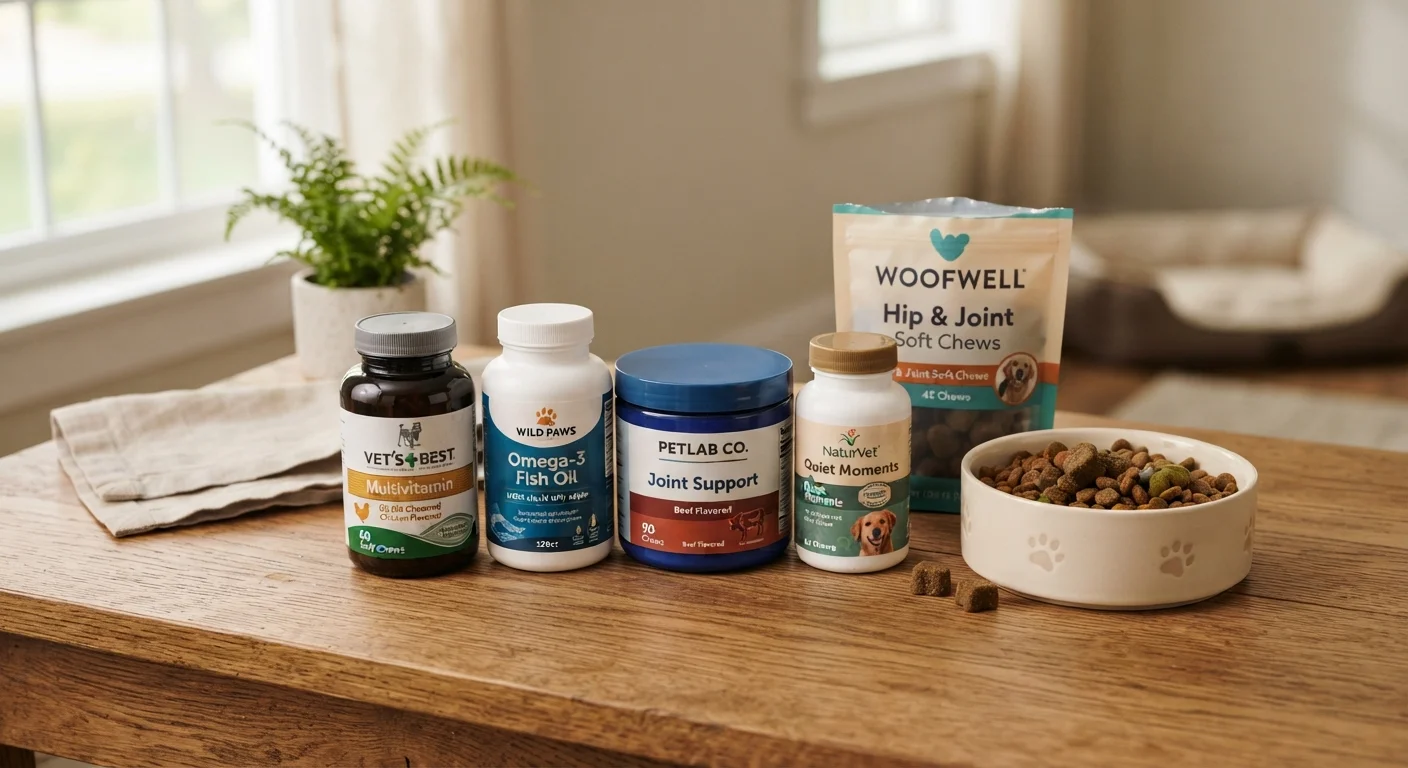
Pet supplements occupy a separate regulatory space - they are not classified as drugs and are therefore not subject to the same FDA approval process. For a grounded look at what evidence supports (and what doesn't), see our article on pet supplements and when to ask a vet.
This article provides general educational information about pet medication categories and is not a substitute for veterinary advice. Always consult a licensed veterinarian before starting, stopping, or changing any medication for your pet.