
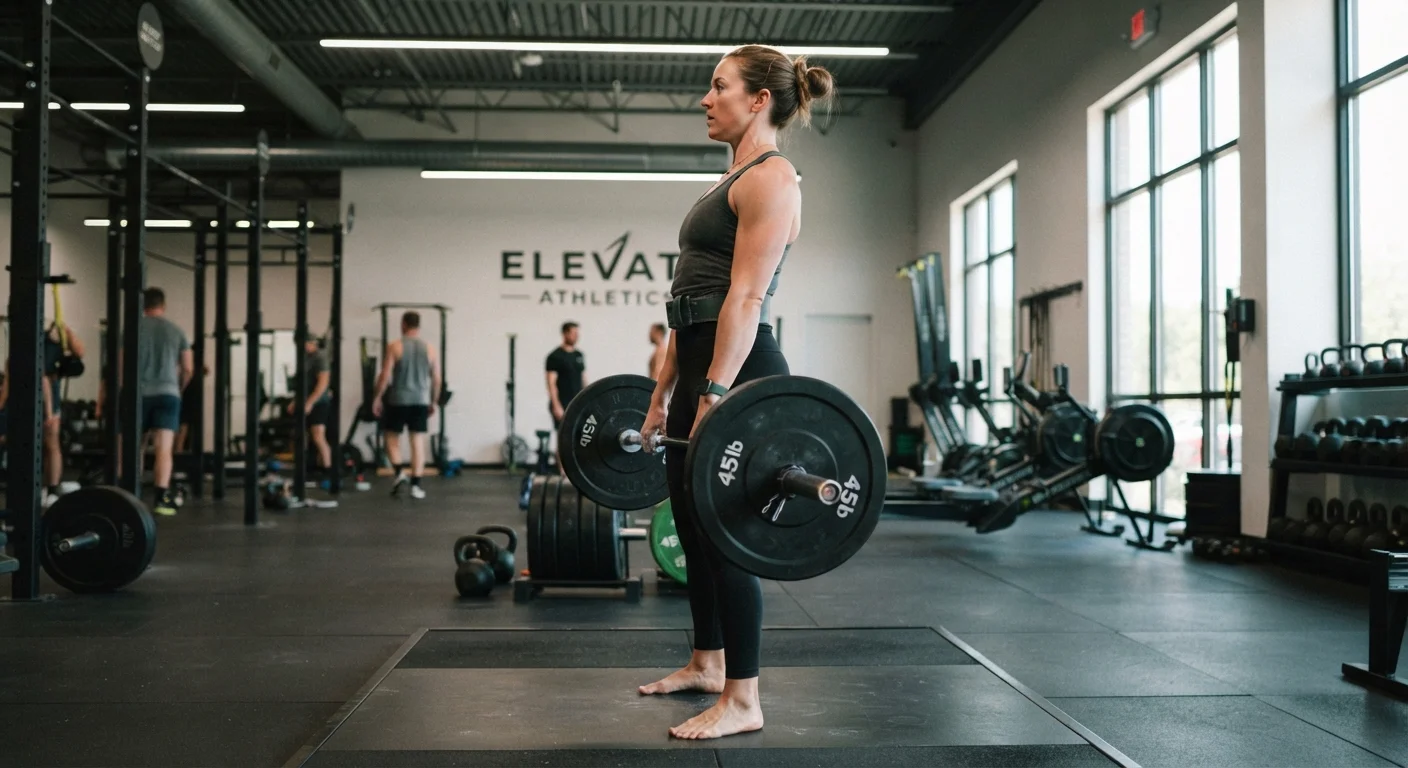
The Core Idea: Why the Body Needs a Reason to Change
The human body is remarkably good at efficiency. Give it the same workout week after week, and it learns to handle that workload with less effort - which sounds like progress, but it's actually the opposite. When a task becomes easy, the stimulus for adaptation disappears.
Progressive overload solves this by ensuring that training demands stay slightly ahead of the body's current capacity. Each time your muscles, lungs, or cardiovascular system are pushed just beyond what's comfortable, they receive a signal to adapt. That adaptation - stronger muscle fibers, improved oxygen delivery, more resilient connective tissue - is what fitness gains actually are.
This principle isn't confined to elite athletes or gym regulars. It applies at every activity level, from someone adding a second set to their first-ever workout to an experienced runner extending a weekly long run. Understanding it helps explain why some routines keep delivering results while others quickly stall. For a broader look at the vocabulary surrounding this concept, the fitness glossary for new exercisers covers related terminology in plain language.
The Variables You Can Actually Adjust
Many people assume progressive overload means adding weight to a barbell - and while that's one method, it's far from the only one. Training load is a composite of several variables, each of which can be adjusted independently:
- Load (weight): The most straightforward lever. Adding resistance forces the muscular system to work harder.
- Volume (sets and reps): Doing more total work - an extra set, a few additional repetitions - increases the cumulative demand even at the same weight.
- Frequency: Training a muscle group more often per week increases the total stimulus over time.
- Rest intervals: Shortening rest between sets increases metabolic demand without changing the load at all.
- Tempo: Slowing down the eccentric (lowering) phase of a movement increases time under tension for the muscle.
- Exercise complexity: Progressing from a supported to an unsupported version of a movement - such as moving from a machine to a free weight - adds neuromuscular demand.
This flexibility is particularly valuable for bodyweight training, where adding external load isn't always possible. Bodyweight training and gym machines each offer distinct ways to apply these variables effectively.
~2.5x
Strength gains from progressive vs. non-progressive training
Research published in sports science literature consistently shows that progressive resistance training produces substantially greater strength gains than training at a fixed load over the same period.
6-8 weeks
Typical plateau timeline without overload
Exercise physiologists broadly observe that the body adapts to a fixed training stimulus within roughly six to eight weeks, after which gains typically slow or stall without progressive challenge.
~10%
Common weekly volume increase guideline
Many sports medicine and coaching frameworks suggest limiting weekly training volume increases to around 10% as a general guard against overuse injury, though individual tolerance varies.
Gradual vs. Aggressive Progression - and Why the Distinction Matters
One of the most common mistakes in training is conflating overload with excess. More is not inherently better - the goal is a stimulus that's meaningfully above current capacity, not one that overwhelms the system's ability to recover.
Overly aggressive increases in training volume or intensity are a well-documented driver of overuse injuries, fatigue, and eventual burnout. Exercise scientists often describe this through the concept of the stimulus-fatigue-recovery-adaptation cycle: a workout creates fatigue, recovery erases that fatigue, and if nutrition and rest are adequate, the body adapts to a slightly higher baseline. Compress or skip the recovery phase, and adaptation never fully occurs.
Track Your Workouts to Apply Overload Effectively
Without a record of what you've done, knowing when and how to increase demands is largely guesswork. Keeping a simple training log - even a notes app entry recording sets, reps, and load - makes progressive overload much easier to apply deliberately and safely. Even noting perceived effort on a session-by-session basis can help you identify the right moment to progress.
This is why rest and recovery are not optional extras bolted onto a training program - they're where the actual gains take place. As explored in why rest days are part of the training, the recovery period is physiologically active and essential to the overload cycle working as intended.
Applying the Principle Across Different Training Goals
Progressive overload looks different depending on what you're training for, but the underlying logic is consistent.
For strength: The emphasis is typically on increasing load over time, often using structured programs that plan increases across weeks or months - a system called periodization.
For hypertrophy (muscle size): Volume tends to take priority alongside load. Research generally supports that increasing total weekly sets per muscle group, progressively, is a primary driver of muscle growth.
For endurance: Duration and intensity are the main dials. A runner might add one mile per week to their long run, or gradually increase pace across a training cycle. High-intensity interval training offers its own progression model, typically through work-to-rest ratios and interval intensity.
Whatever the goal, the common thread is intentionality - tracking what you're doing and making deliberate, measured changes rather than training by feel alone. If a routine keeps stalling despite good effort, common reasons fitness routines fall apart may offer useful insight into what's going wrong.
This article is for general informational and educational purposes only. It is not a substitute for personalized advice from a qualified fitness or healthcare professional. Consult a professional before beginning or significantly changing any exercise program, especially if you have a pre-existing health condition or injury.