
The Workout Is the Stimulus, Not the Result
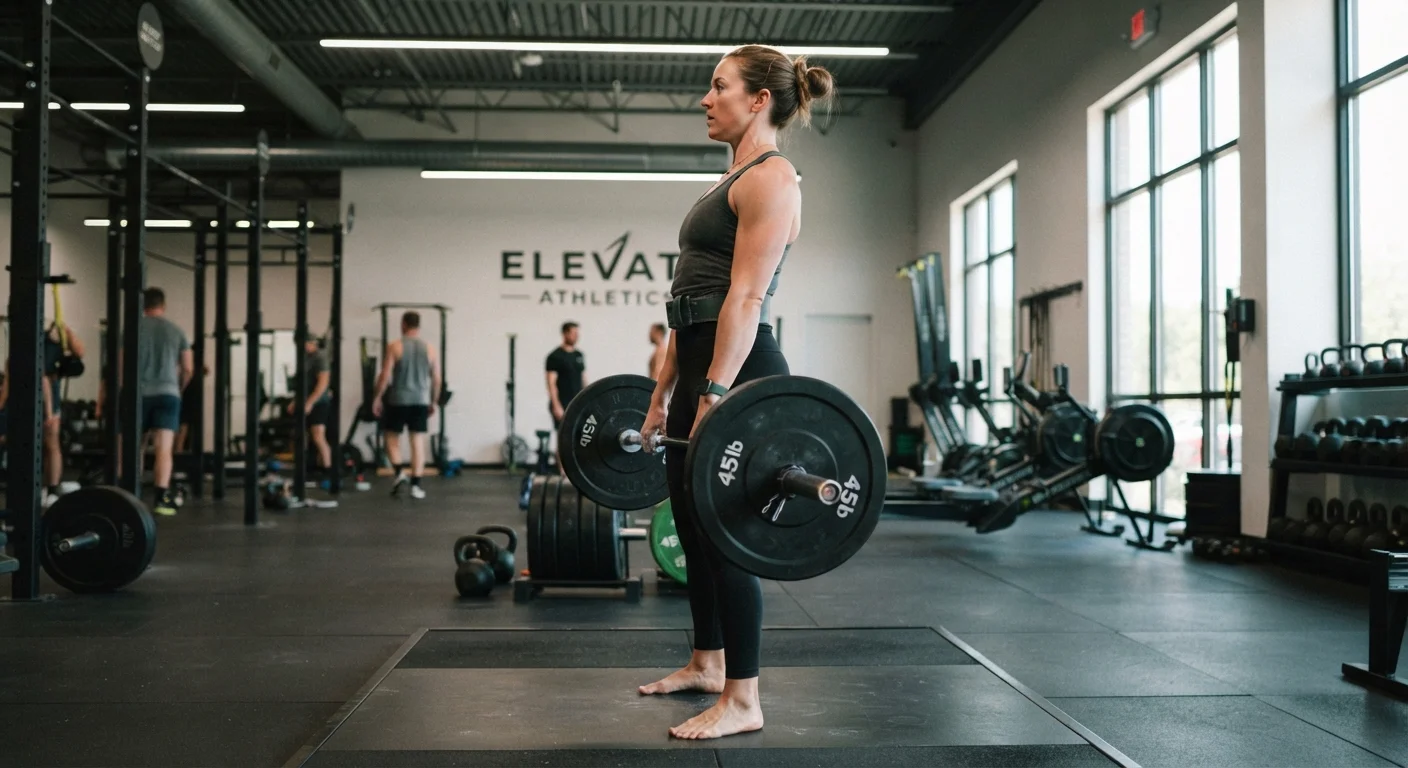
A common assumption in fitness culture is that more training always equals more progress. It's an intuitive idea - but it misses a crucial step in the biological process. When you exercise, you're not actually building fitness during the session. You're creating a controlled stress on your muscles, cardiovascular system, and connective tissue. The adaptation - getting stronger, faster, or more resilient - happens afterward, during rest.
This distinction matters enormously. Strength training, for example, causes microscopic damage to muscle fibers. The repair process, driven by protein synthesis and hormonal signaling, results in fibers that are slightly thicker and more capable than before. That repair requires time, and it requires rest from additional damage. Without adequate recovery, the rebuilding process is interrupted before it completes.
Understanding this helps reframe rest days entirely. They aren't gaps in your training program - they are the phase where your training produces its results. See our guide to progressive overload for more on how deliberate training stress and recovery work together to build capacity over time.
Think of Rest as a Training Variable
Just as you plan which exercises to do and how many sets to complete, plan your recovery days with the same intentionality. Note them in your training log, protect them from being bumped by extra sessions, and treat them as non-negotiable parts of the program - because physiologically, they are.
What Happens Physiologically During Recovery
Rest triggers a cascade of restorative processes that exercise alone cannot initiate. Muscle protein synthesis - the mechanism behind muscle repair and growth - is elevated for up to 24-48 hours after resistance training, according to research published in sports science literature. During this window, the body uses available nutrients to rebuild damaged tissue stronger than before.
The nervous system also needs recovery time. High-intensity exercise places significant demand on the central nervous system, not just the muscles. Accumulated neural fatigue can impair coordination, reaction time, and force production - which is why athletes sometimes feel sluggish even when their muscles aren't sore.
Sleep is perhaps the most powerful recovery tool of all. During deep sleep, the body releases growth hormone, which plays a key role in tissue repair and metabolic regulation. Consistently poor or insufficient sleep can blunt fitness adaptations even when training and nutrition are well-managed. Rest days that include good sleep are doing more work than most people realize.
24-48 hrs
Window of elevated muscle protein synthesis post-exercise
Research in exercise physiology consistently shows this recovery window, during which rest supports the muscle-rebuilding process.
~2 weeks
Time before measurable detraining typically begins
Exercise science literature generally indicates that significant fitness loss from inactivity starts after roughly two weeks, not after a single rest day.
1 in 10
Estimated rate of overtraining syndrome among competitive athletes
Sports medicine research suggests overtraining syndrome affects a meaningful proportion of athletes who train without adequate recovery periods.
The Real Cost of Skipping Recovery
Training without adequate rest doesn't plateau progress - it actively reverses it. Overtraining syndrome, a clinically recognized condition, develops when training load consistently exceeds the body's capacity to recover. Symptoms include persistent fatigue, declining performance, mood disturbances, increased susceptibility to illness, and hormonal disruption. It can take weeks or months to fully recover from, far longer than the rest days that could have prevented it.
Injury risk also climbs sharply without adequate recovery. Stress fractures, tendinopathies, and overuse injuries are closely associated with insufficient rest between training sessions. These aren't just setbacks - they can interrupt training for months at a time, producing far more lost progress than a weekly rest day ever would.
If you've returned to exercise after a break, this is especially worth keeping in mind. Enthusiasm early on often leads to doing too much too soon. Our guide on returning to exercise after a long break covers realistic timelines and how to build back sustainably.
Active Recovery vs. Full Rest - and How to Choose
Rest days don't have to mean doing nothing. Active recovery - low-intensity movement like walking, gentle yoga, or easy cycling - can support circulation, help clear metabolic byproducts from muscles, and reduce delayed-onset muscle soreness (DOMS) without adding meaningful training stress. Many athletes and coaches incorporate active recovery as a deliberate programming strategy.
Full rest, meaning minimal physical activity, is more appropriate after particularly intense training blocks, during illness, or when fatigue is pronounced. Listening to your body matters here: if low-intensity movement feels effortful or draining, full rest is likely the better choice that day.
The right balance between active and full rest days varies by individual. Factors like training volume, sleep quality, stress levels, age, and overall health all influence how quickly someone recovers. There's no universal prescription - the goal is to match recovery to your actual load, not to an idealized schedule.
Recovery Needs Change Over Time
As your fitness improves, your body generally recovers more efficiently from the same workload. However, as training intensity increases with progress, recovery needs may shift upward again. Periodically reassessing your rest day structure - ideally with a knowledgeable coach or trainer - ensures your recovery keeps pace with your training demands.
Building a consistent routine that includes planned recovery also helps address one of the most common reasons people abandon exercise habits altogether. Understanding why fitness routines fall apart can help you design one that accounts for recovery from the start.
This article is for general informational and educational purposes only and does not constitute medical or professional fitness advice. Consult a qualified healthcare or fitness professional before beginning, modifying, or stopping any exercise program.