Why No Credit History Is a Real Problem
Lenders, landlords, and even some employers use your credit file to gauge how reliably you manage financial obligations. When that file is empty, they have nothing to evaluate - and many simply decline the application. This is often called being "credit invisible," a situation that affects tens of millions of Americans, according to the Consumer Financial Protection Bureau.
The challenge is circular: you need credit to get credit. Understanding that cycle is the first step toward breaking it. For a broader look at how credit fits into your overall financial picture, see our end-to-end credit and debt resource.
Credit file
A record maintained by credit bureaus that documents your history of borrowing and repaying debt. Lenders use it to decide whether to approve applications.
Credit score
A three-digit number, typically ranging from 300 to 850, that summarizes the information in your credit file. Higher scores indicate lower perceived risk to lenders.
Credit utilization
The percentage of your available credit limit that you are currently using. For example, a $250 balance on a $500 limit card equals 50% utilization.
Hard inquiry
A check on your credit report triggered when you formally apply for credit. Hard inquiries can slightly lower your score for a short period.
Secured credit card
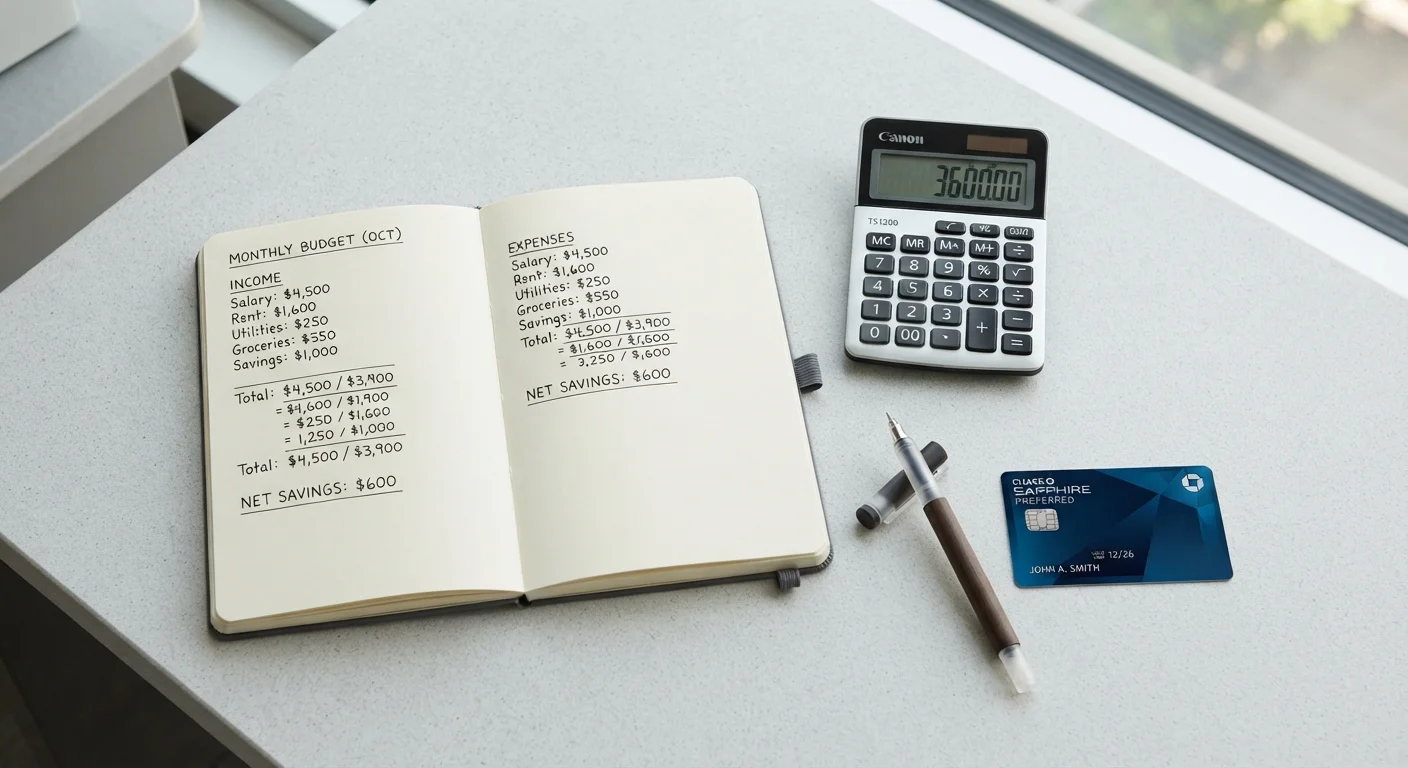
A credit card backed by a cash deposit you provide upfront. The deposit reduces the lender's risk and makes these cards accessible to people with no credit history.
Credit-builder loan
A loan designed to help people establish credit. The borrowed funds are held in a savings account while you make payments; you receive the money after the loan is fully repaid.
Your Starting Options Explained
Several products are designed specifically for people with no credit history. Each works differently, and the right choice depends on your situation.
- Secured credit card: You deposit a sum of money - often $200 to $500 - that becomes your credit limit. The card issuer reports your activity to the credit bureaus just like a regular card. Responsible use builds your file; you get the deposit back when you close or upgrade the account.
- Credit-builder loan: Offered by many credit unions and community banks, these loans hold the borrowed amount in a savings account while you make monthly payments. Once the loan is repaid, you receive the funds. The payment history gets reported to the bureaus throughout the process.
- Becoming an authorized user: A trusted family member or close friend adds you to their existing credit card account. Their positive payment history can appear on your report, giving your file a head start - though you inherit their negative history too.
- Student credit cards: If you are enrolled in a college or university, some issuers offer cards with lower approval requirements designed for students with limited histories.
None of these options requires a perfect financial background. The goal at this stage is simply to open one or two accounts and manage them carefully.
The Habits That Actually Build Your Score
Opening an account is only the beginning. What you do with it determines how quickly and how strongly your credit profile grows.
Autopay Is Your Best First Defense
Setting up automatic payments for at least the minimum amount due removes the risk of a missed payment entirely. Once autopay is in place, you can choose to pay more manually each month - but the safety net is always there. This single step protects the most important factor in your credit score.
Pay on time, every time. Payment history is the single largest factor in most credit scoring models, typically accounting for around 35% of a FICO score. Even one missed payment can cause a significant drop and remains on your report for up to seven years. Setting up autopay for at least the minimum due eliminates this risk.
Keep your balance well below your limit. Credit utilization - the percentage of your available credit you are using - is the second biggest scoring factor. Keeping balances below 30% of your credit limit is a widely cited guideline; lower is generally better. On a $500 secured card, that means carrying no more than $150 at any time.
Avoid closing accounts early. Length of credit history matters. Keeping your first account open, even if you rarely use it, preserves the age of that account and helps over time.
For a deeper look at sustainable habits that support long-term credit health, explore our guide on responsible borrowing habits.
Realistic Timelines and What to Expect
Progress is measurable but not instant. Most major scoring models require at least one account that has been open and active for six months before producing a score at all. Here is a general picture of what to expect:
- Month 1-3: Account opens and begins reporting. No score yet, but your file is being built.
- Month 6: You typically become scoreable, often in the fair range (580-669 on the FICO scale), assuming no missed payments.
- Month 12-18: With consistent on-time payments and low utilization, scores often move into the good range (670+), opening access to more competitive loan terms.
These are general patterns, not guarantees. Individual results vary based on income, account type, and specific bureau activity. If you are planning to finance a vehicle in the near future, understanding how lenders evaluate new borrowers is essential - our auto financing guide walks through exactly what they look at.
Common Mistakes to Avoid at the Start
Early decisions tend to have an outsized impact on your credit trajectory. These are the missteps most likely to slow your progress:
More Applications Do Not Mean Faster Credit
A common misconception is that opening several accounts quickly accelerates credit building. In practice, multiple hard inquiries in a short window can lower your score and signal financial stress to lenders. Start with one or two accounts, manage them well, and add more only after your file has had time to mature.
- Applying for multiple accounts at once. Each application typically triggers a hard inquiry on your report, which can temporarily lower your score. Space out applications by at least a few months.
- Carrying high balances to build credit faster. This is a misconception. You do not need to carry a balance month to month to build credit - paying in full actually demonstrates responsible use without the cost of interest charges.
- Ignoring your credit report. Errors on new files can go undetected for a long time. Review your reports regularly through AnnualCreditReport.com and dispute any inaccuracies promptly.
- Closing your first account too soon. Once you qualify for a better product, the temptation to close your original secured card is understandable - but keeping it open preserves your credit history length.
Before taking on any formal borrowing, it also helps to run through a structured checklist. Our pre-loan checklist covers income stability, total cost of credit, and what to confirm before signing anything.
This article is for general informational and educational purposes only. It does not constitute personalized financial or legal advice. For guidance specific to your situation, consult a qualified financial professional.