
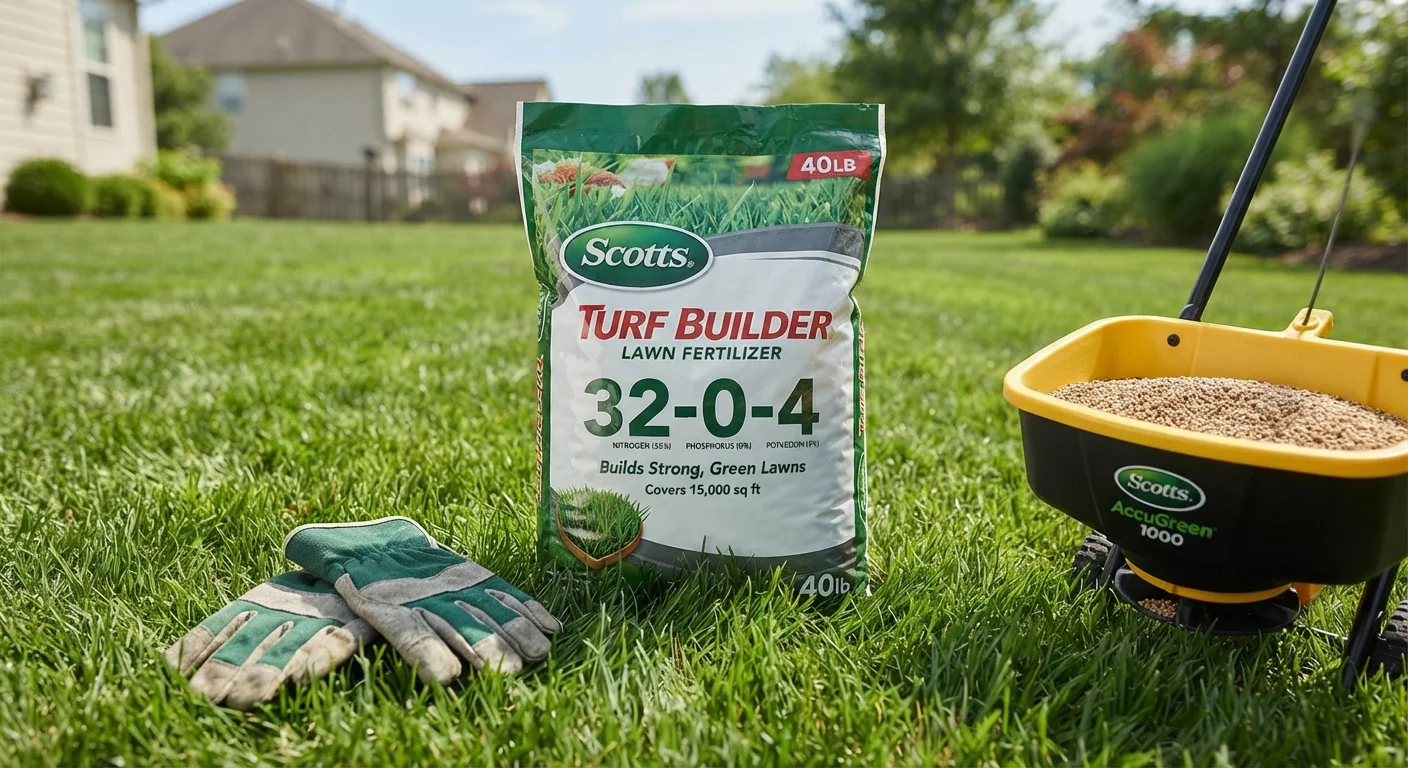
What the Three Numbers Actually Mean
Every fertilizer bag sold in the United States is required to display three numbers separated by hyphens - for example, 28-0-6 or 10-10-10. These numbers are called the N-P-K ratio, and they represent the percentage by weight of three primary nutrients: nitrogen (N), phosphorus (P), and potassium (K).
| First number (N) | Nitrogen - promotes green, leafy growth |
| Second number (P) | Phosphorus - supports root development |
| Third number (K) | Potassium - builds stress and disease tolerance |
| Non-nutrient filler | Typically makes up the remaining percentage by weight |
| Slow-release nitrogen window | Feeds lawn gradually over 6-12 weeks |
| Soil test availability | Often offered through county cooperative extension offices |
A bag labeled 20-5-10 contains 20% nitrogen, 5% phosphorus, and 10% potassium. The remaining 65% is filler material - typically inert carriers that help distribute the nutrients evenly across your lawn. Knowing what each nutrient does helps you choose the right product for your lawn's actual needs rather than guessing.
- Nitrogen (N)
- Drives leafy, green top growth. Lawns deficient in nitrogen appear pale yellow and grow slowly.
- Phosphorus (P)
- Supports root development and seedling establishment. Many established lawns require little added phosphorus, and some states restrict its use in turf fertilizers to protect waterways.
- Potassium (K)
- Strengthens overall plant cell structure and improves drought and disease tolerance. Often called the "hardening" nutrient.
Reading the Label Beyond N-P-K
The guaranteed analysis panel on a fertilizer bag contains more information than the headline ratio. Look for these additional details before purchasing:
- Slow-release vs. quick-release nitrogen: Labels may list "water-insoluble nitrogen" or specific coated forms (such as sulfur-coated urea). Slow-release formulas feed grass gradually over 6-12 weeks and reduce the risk of burning; quick-release products deliver a faster green-up but require more precise application.
- Secondary nutrients: Sulfur, calcium, and magnesium may appear on the label. These support overall soil health and can matter if a soil test reveals deficiencies.
- Application rate: The label specifies how many square feet a given weight of product covers. Always calculate your lawn's square footage before purchasing so you apply neither too little nor too much.
Check Local Phosphorus Regulations
Several US states - including Minnesota, Michigan, and Wisconsin - restrict or prohibit the use of phosphorus-containing fertilizers on established lawns to reduce runoff into lakes and streams. Check your state's department of agriculture or local extension service before purchasing a product with a non-zero middle number.
Applying more fertilizer than the label directs does not produce better results - it can burn grass, leach nutrients into groundwater, and waste money. Follow label rates precisely.
When to Apply Fertilizer by Grass Type
Timing matters as much as the product itself. Grass falls into two broad categories - cool-season and warm-season - and each has its own ideal fertilization window.
N-P-K ratio
The three-number code on fertilizer bags representing the percentage by weight of nitrogen, phosphorus, and potassium. It is required on all fertilizer labels sold in the US.
Slow-release nitrogen
A form of nitrogen coated or formulated to break down gradually over weeks or months. It reduces the risk of burning grass and requires fewer applications than quick-release formulas.
Guaranteed analysis
The legally required panel on a fertilizer label that discloses the minimum percentages of nutrients the product contains. Always the authoritative source for nutrient content.
Cool-season grass
Grass varieties that grow most vigorously in cool weather, typically spring and fall. Common examples include Kentucky bluegrass, tall fescue, and perennial ryegrass.
Warm-season grass
Grass varieties that peak in growth during warm summer months. Common examples include Bermuda, zoysia, and St. Augustine grass.
Soil test
A laboratory analysis of a soil sample that reveals existing nutrient levels and pH. It helps homeowners choose fertilizers that correct specific deficiencies rather than guessing.
Cool-Season Grasses
Examples include Kentucky bluegrass, tall fescue, and perennial ryegrass. These grasses grow most actively in spring and fall when soil temperatures are between roughly 50°F and 65°F.
- Primary feeding: Early fall (late August through October) - this is the single most important application because the grass is actively growing and storing energy for winter.
- Secondary feeding: Early spring, once the lawn has broken dormancy, using a lower-nitrogen formula to avoid pushing excessive shoot growth at the expense of roots.
- Avoid: Mid-summer applications when cool-season grasses are heat-stressed and semi-dormant.
Warm-Season Grasses
Examples include Bermuda, zoysia, St. Augustine, and centipede grass. These grasses thrive when soil temperatures exceed 65°F-70°F.
- Primary feeding: Late spring through early summer, once the grass has fully greened up and is actively growing.
- Ongoing applications: Every 6-8 weeks through mid-summer, depending on the product type and local extension service recommendations.
- Avoid: Fertilizing in fall, which can promote tender growth vulnerable to frost damage.
A soil test - available through many county extension offices - is the most reliable way to determine what nutrients your lawn actually needs before selecting any product.