
Why Remote Negotiation Works in Your Favor
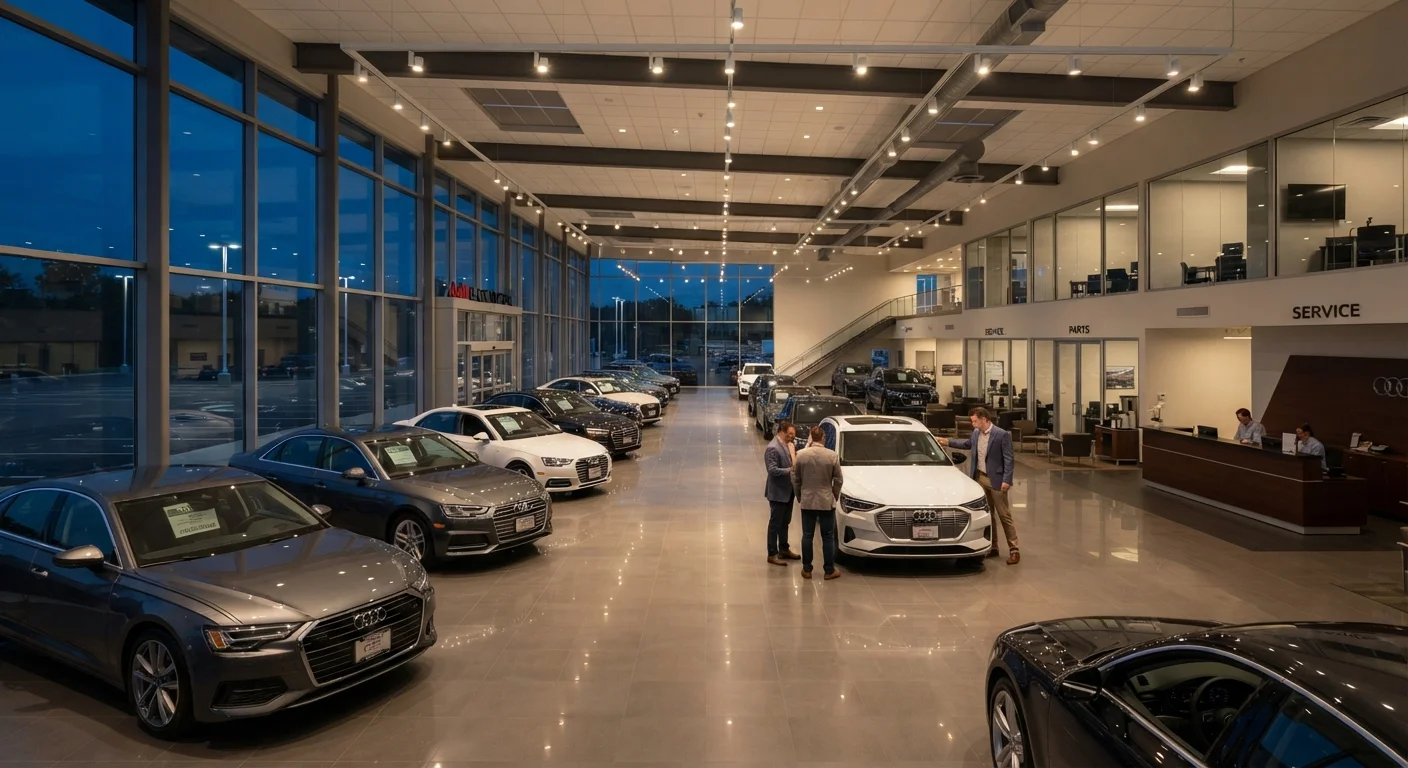
Walking into a dealership hands salespeople a structural advantage: a controlled environment, time pressure, and face-to-face persuasion. Conducting negotiations by email, text, or phone strips away most of those dynamics. Every offer lands in writing, giving you time to compare, respond deliberately, and reference prior commitments if a dealer tries to change terms later.
Remote negotiation also lets you run a parallel process - contacting the internet sales departments of several dealers at the same time. When dealers know you're gathering competing quotes, they respond with sharper numbers. This is the single most effective leverage available to a remote buyer. For a broader view of how timing and dealer incentives interact with negotiating leverage, see our guide on timing your dealership approach.
This approach works for new vehicles and, with some adjustments, for used vehicles - though used-car pricing involves more variability due to condition, mileage, and local demand.
What you will need
Tools and Research You Need Before Making Contact
Effective remote negotiation depends entirely on preparation. Without solid pricing data, you have no credible anchor for any offer you make.
Vehicle pricing data sources
Establish the invoice price, market average transaction price, and MSRP for the exact trim and options you want.
Pre-approved loan offer
Gives you a concrete financing rate to compare against any dealer financing offer, preventing payment-focused misdirection.
Spreadsheet or note-taking app
Track every quote, dealer contact, and offer detail in one place so you can compare accurately across multiple dealers.
Dedicated email address for dealer contact
Keeps all negotiation correspondence organized and separate from personal email, making it easy to reference the written record.
Trade-in appraisal documentation
Provides independent written evidence of your vehicle's value if you plan to include a trade-in after the vehicle price is agreed.
Step-by-Step: Negotiating the Deal Remotely
Draft and send a specific quote request
Email the internet sales department of each dealer simultaneously. State the exact vehicle: year, make, model, trim level, and any specific packages or colors. Ask for their out-the-door price - the total cost including all fees, taxes, and dealer charges - not just the selling price. Dealers sometimes quote a low vehicle price and add significant fees later. Specifying out-the-door eliminates that ambiguity.
Evaluate and compare the written quotes
As responses arrive, log each dealer's out-the-door figure and any line items they break out. Identify the lowest credible offer. Check whether any dealer has added accessories, paint protection, or other add-ons to the vehicle without your request - these inflate the price and should be removed, not negotiated down.
Counter with a documented competing offer
Reply to each dealer with the lowest legitimate competing quote you have received, stated as a figure - not a vague claim. Ask whether they can match or beat it on an identical vehicle. This is the core of the remote parallel-bidding process. Dealers who can move will do so in writing; those who cannot will say so, narrowing your field efficiently.
Negotiate dealer fees and add-ons
Once vehicle price converges, scrutinize the remaining line items. Documentation fees (doc fees) are set by state law in some states and fixed by dealership policy in others - they are usually non-negotiable, but you should know the typical range for your state. Dealer-installed accessories, nitrogen tire fills, paint sealants, and fabric protection are almost always negotiable or removable. Request an itemized breakdown if one hasn't been provided.
Address trade-in and financing separately
Only after the vehicle price is confirmed in writing should you introduce a trade-in or dealer financing discussion. Bundling these elements earlier lets dealers obscure where money is moving between categories. When discussing financing, compare the dealer's annual percentage rate (APR) offer directly against your pre-approved loan. You are not obligated to use dealer financing. For general guidance on understanding loan structures and rates, visit our auto financing overview.
Confirm the deal in writing before visiting
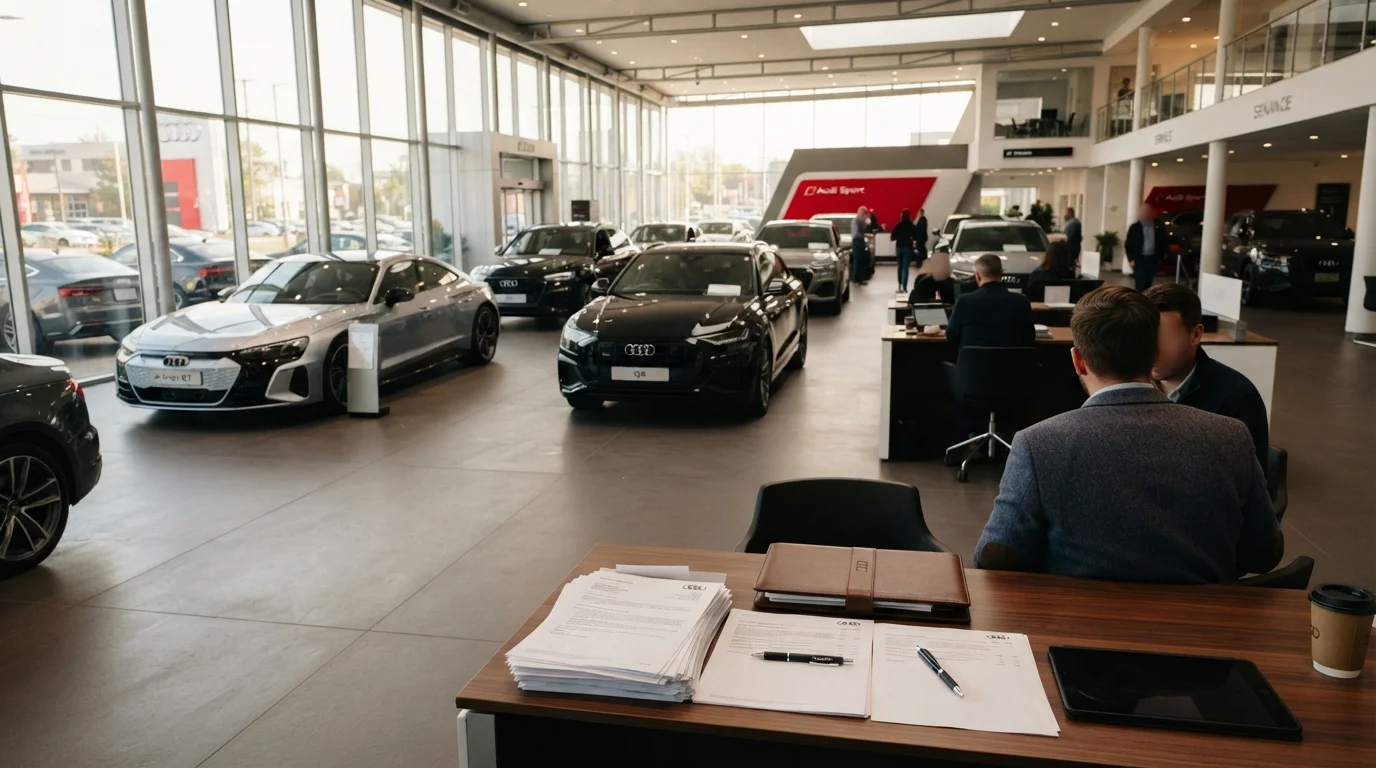
Ask the dealer to email a complete buyer's order reflecting every agreed figure - vehicle price, fees, taxes, trade-in allowance if applicable, and any accessories or omissions discussed. Review this document line by line. If numbers have shifted from what was agreed, address the discrepancy by email before making the trip to sign. A dealer who resists providing a written buyer's order in advance is a meaningful warning sign.
Common Myths That Undermine Remote Buyers
Many buyers believe dealers won't negotiate seriously with remote or email shoppers, or that cash payment guarantees a discount. Neither is reliably true in modern dealership operations. For a detailed look at which negotiation assumptions hold up and which don't, see our article on car negotiation myths.
Once a dealer emails a written quote that matches your out-the-door target, ask for a formal purchase agreement or buyer's order before visiting to sign. Review every line item - including documentation fees, dealer-installed accessories, and any add-ons - before you travel. For context on how the full negotiation arc fits together, including F&I products and trade-in separation, refer to the complete buyer's negotiation roadmap.
This article provides general educational information about car-buying negotiation strategies. It is not personalized financial or legal advice. Consult a qualified financial professional regarding loan terms, credit decisions, or any financial commitments before signing.