A Two-Way Street, Not a One-Way Road
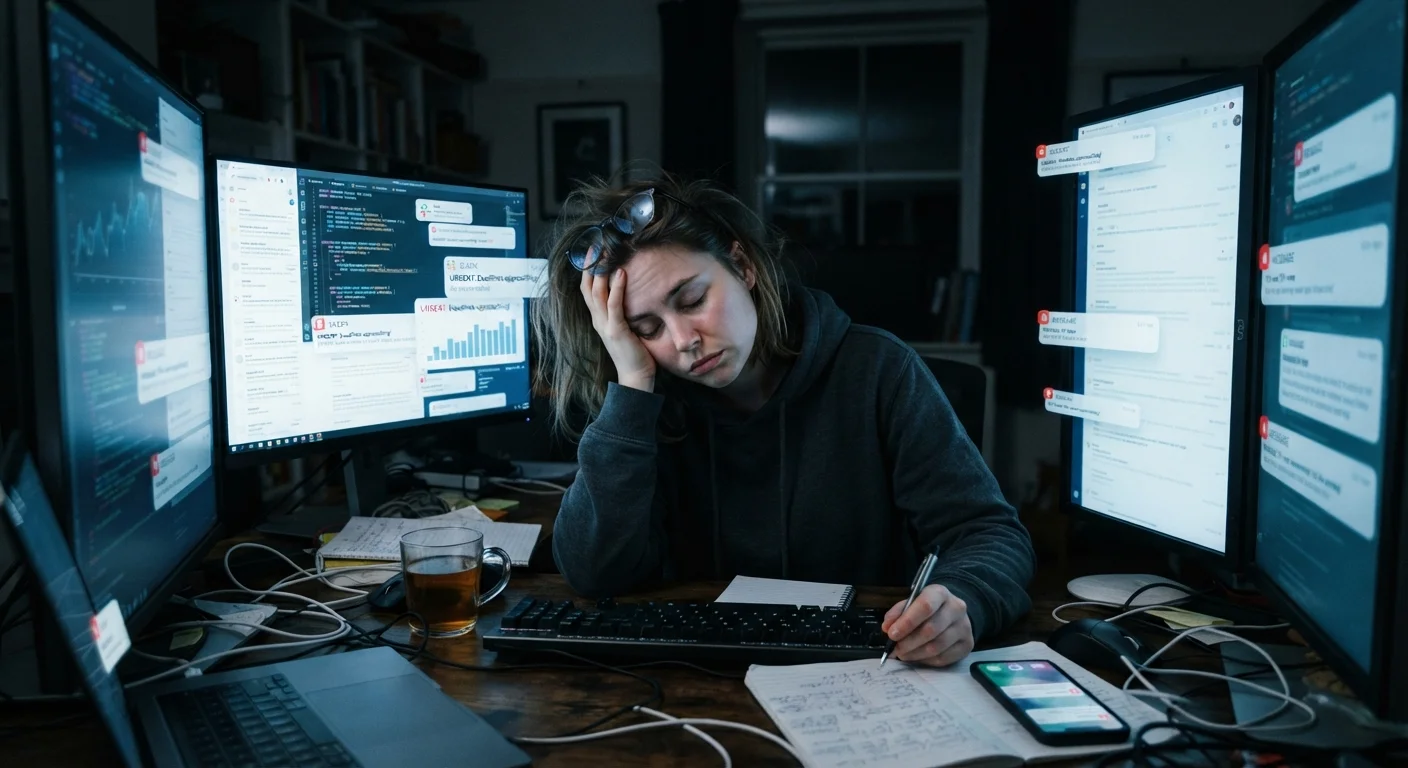
Most people understand that a bad night's sleep makes them irritable. What is less commonly appreciated is that the relationship runs in both directions - emotional distress shapes sleep just as much as sleep shapes emotional well-being. Researchers describe this as a bidirectional relationship, meaning neither side is simply the cause or the effect; they exist in a continuous feedback loop.
This framing matters practically. Someone struggling with low mood who also sleeps poorly is not experiencing two separate problems. They may be caught in a single reinforcing cycle where each worsens the other. Recognizing that loop is often the first step toward addressing either issue more effectively.
For a broader picture of everyday mental wellness strategies, see our complete overview of mental wellness approaches.
What the Sleeping Brain Is Actually Doing
Sleep is not passive downtime - the brain remains highly active, performing maintenance tasks that have direct consequences for emotional health. Two phases are particularly relevant:
- REM sleep (rapid eye movement): During this stage, the brain processes and consolidates emotional memories. Research published in neuroscience journals suggests REM sleep helps reduce the emotional intensity attached to difficult experiences - sometimes described informally as 'emotional first aid' for the brain.
- Deep slow-wave sleep: This stage is associated with the clearance of metabolic waste products from the brain, including those linked to cognitive decline. It also plays a role in resetting stress hormone levels overnight.
When sleep is cut short or fragmented, these restorative processes are interrupted. The amygdala - the brain's threat-detection center - becomes more reactive, while the prefrontal cortex, which moderates emotional responses, is less effective at doing its job. The result is a brain that is more easily alarmed and less equipped to self-regulate.
~1 in 3
US adults report regularly getting insufficient sleep
According to CDC public health data, a significant proportion of American adults sleep less than the recommended seven hours per night.
~40%
People with insomnia also experience a mood disorder
Research reviews in sleep medicine literature estimate that mood disorders co-occur with insomnia at substantially higher rates than in the general population.
2-3×
Elevated risk of depression with chronic insomnia
Longitudinal studies in sleep and psychiatry research suggest people with chronic insomnia face a meaningfully elevated risk of developing depression over time.
The Stress Hormone Connection
The body's stress system - specifically the HPA axis - is deeply intertwined with sleep architecture. Cortisol, the primary stress hormone, follows a natural daily rhythm: it peaks in the early morning to aid waking and gradually declines through the day. Chronic emotional stress disrupts this rhythm, keeping cortisol elevated at night when it should be low.
Elevated nighttime cortisol makes it harder to fall asleep and stay in deeper sleep stages. Conversely, persistent sleep deprivation has been shown to elevate cortisol levels the following day, increasing baseline stress reactivity. This is one of the clearest biological mechanisms linking poor sleep to worsened anxiety and mood.
“Sleep is not a luxury. It is a biological necessity - and its relationship with mental health is one of the most robust findings in modern neuroscience.”
— Matthew Walker, Professor of Neuroscience and Psychology, University of California, Berkeley; author of research and public science communication on sleep
Lifestyle factors like screen exposure at night and irregular schedules can compound this disruption - a topic explored in depth in our piece on digital boundaries and mental health.
When Sleep Changes Signal Something More
Changes in sleep patterns - sleeping far more or far less than usual, waking repeatedly, or experiencing vivid disturbing dreams - are recognized clinical markers that mental health professionals pay attention to. They do not diagnose a condition on their own, but they are meaningful signals worth noticing.
Insomnia, for instance, is both a symptom of anxiety and depression and an independent risk factor for developing them. Some research suggests that treating sleep problems directly - not just as a side effect of another condition - can produce measurable improvements in mood and emotional function.
Social support also plays a meaningful role in this picture; isolation and disconnection can both impair sleep and amplify emotional distress. Our article on how social connection shapes emotional resilience examines that relationship in detail.
If sleep difficulties are persistent, worsening, or accompanied by significant changes in mood or functioning, a conversation with a qualified healthcare professional is the appropriate next step. Evidence-based options exist, and early support tends to be more effective than waiting.
For practical habits that support both sleep and broader mental well-being, see self-care habits that mental health professionals actually recommend.
This article is for general informational and educational purposes only and is not a substitute for professional medical or mental health advice. If you have concerns about your sleep or mental health, please consult a qualified healthcare provider.