
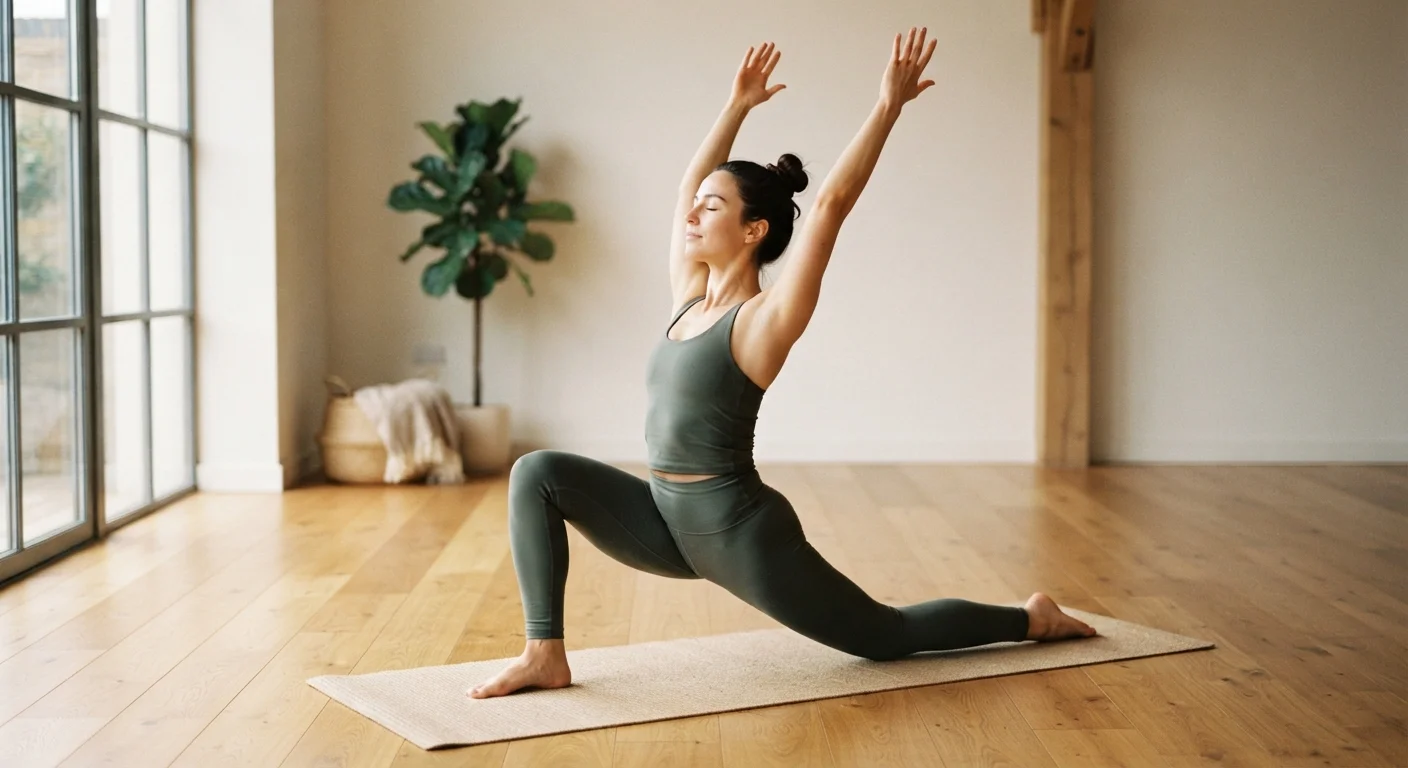
Three Terms, Three Distinct Concepts
If you've ever seen these three words used as synonyms in a fitness class or wellness article, you're not alone - but conflating them can lead to misguided training choices. Flexibility, mobility, and stretching describe related but meaningfully different aspects of how the body moves. Understanding the distinctions helps you train more purposefully, whether you're a beginner or a seasoned athlete.
| What flexibility measures | Passive muscle lengthening with external assistance |
| What mobility measures | Active joint control through a full range of motion |
| What stretching is | A training method - not a fitness quality itself |
| Key difference | Flexibility is passive; mobility requires active muscular control |
| Stretching type best supported for flexibility gains | Static stretching practiced consistently over weeks to months (General consensus in sports science literature) |
| Stretching type commonly recommended before exercise | Dynamic stretching as part of a warm-up routine (Sports science and physical therapy guidance) |
For a broader orientation to fitness language, see the plain-language fitness glossary - it covers many of the terms you'll encounter alongside these.
Flexibility: Passive Range of Motion
Flexibility refers to the ability of a muscle - or group of muscles - to lengthen passively through a range of motion. "Passive" is the key word: flexibility is measured when an external force (gravity, a strap, a partner, or body weight) does the work of moving the limb, rather than the muscles themselves actively controlling it.
A classic example is a seated forward fold. If you can reach your toes while relaxed, you have relatively high hamstring flexibility. But that same person might struggle to actively kick their leg high in a controlled manner - which brings us to mobility.
Flexibility is influenced by multiple tissue types, including muscle, fascia, and tendons. It varies between individuals based on genetics, age, training history, and hydration, among other factors. High flexibility alone does not guarantee safe, functional movement.
Flexibility
The passive ability of a muscle or group of muscles to lengthen through a range of motion when an external force is applied. It reflects tissue extensibility rather than active muscular control.
Mobility
The ability to actively move a joint through its full range of motion using muscular strength and neuromuscular coordination. It combines flexibility with stability and control.
Stretching
A set of physical techniques designed to lengthen soft tissue - primarily muscle and fascia. Stretching is a method for influencing flexibility and supporting mobility, not an outcome in itself.
Range of Motion (ROM)
The full arc through which a joint can move. ROM can be measured passively (flexibility) or actively (mobility), and the two measurements often differ significantly.
Static Stretching
A stretching technique in which a position is held for a sustained period - typically 20 to 60 seconds - to lengthen muscle tissue. It is one of the most studied approaches for building passive flexibility.
Dynamic Stretching
Controlled, movement-based stretching that takes a joint repeatedly through a range of motion. It is commonly used in warm-up routines to prepare muscles and joints for activity.
Fascia
A network of connective tissue that surrounds muscles, organs, and other structures throughout the body. Fascia contributes to overall tissue extensibility and is influenced by stretching and movement.
Neuromuscular Control
The nervous system's ability to coordinate muscle activation for joint stability and precise movement. It is a key component of functional mobility that flexibility alone does not capture.
Mobility: Active Control Through Range
Mobility is the ability to actively move a joint through its full range of motion - using your own muscular strength and neuromuscular control, rather than passive assistance. It combines flexibility with stability and motor control.
Think of mobility as usable range of motion. A person with good hip mobility can move their hip through a deep squat pattern with control and without compensation elsewhere in the body. Mobility is therefore both a strength quality and a movement quality - it requires coordination between muscles, joints, and the nervous system.
Physical therapists and sports scientists increasingly prioritize mobility assessments over flexibility tests alone, because mobility reflects how the body actually functions during activity. A joint that is flexible but unstable may increase injury risk rather than reduce it. This mirrors how understanding distinctions matters in other domains too - much like the difference between mindfulness and meditation, which our side-by-side breakdown explores.
Stretching: A Tool, Not a Goal
Stretching is a category of physical techniques used to lengthen soft tissue - most commonly muscle and fascia. It is a method used to develop or maintain flexibility and, in some cases, support mobility work. Stretching itself is not an outcome; it is one of several inputs.
Flexibility ≠ Injury Prevention on Its Own
A common assumption is that high flexibility automatically reduces injury risk. Current evidence suggests the picture is more nuanced: flexibility without adequate joint stability and neuromuscular control may not protect against injury - and in some cases may contribute to it. Mobility training, which develops both range and active control, is generally considered more functionally protective. If you have concerns about injury risk, speak with a physical therapist or certified strength and conditioning specialist.
Common stretching types include:
- Static stretching - holding a lengthened position for a set duration (typically 20-60 seconds). Best supported for improving flexibility when practiced consistently over time.
- Dynamic stretching - controlled, repetitive movements through a range of motion (e.g., leg swings, arm circles). Often used in warm-ups to prepare joints for activity.
- PNF stretching (proprioceptive neuromuscular facilitation) - a technique involving alternating contraction and relaxation of a muscle to improve range of motion, often performed with a partner or therapist.
Stretching is widely used, but the research on optimal timing, duration, and type is still evolving. Evidence generally supports that regular static stretching improves passive flexibility over weeks to months, while dynamic stretching before exercise may better support performance and injury prevention than static stretching in that context. Always consult a qualified health or fitness professional before beginning a new stretching regimen, especially if you have an existing injury or joint condition.
This article is for general informational purposes only and does not constitute medical or professional fitness advice. Consult a qualified healthcare provider or certified fitness professional for guidance tailored to your individual needs.