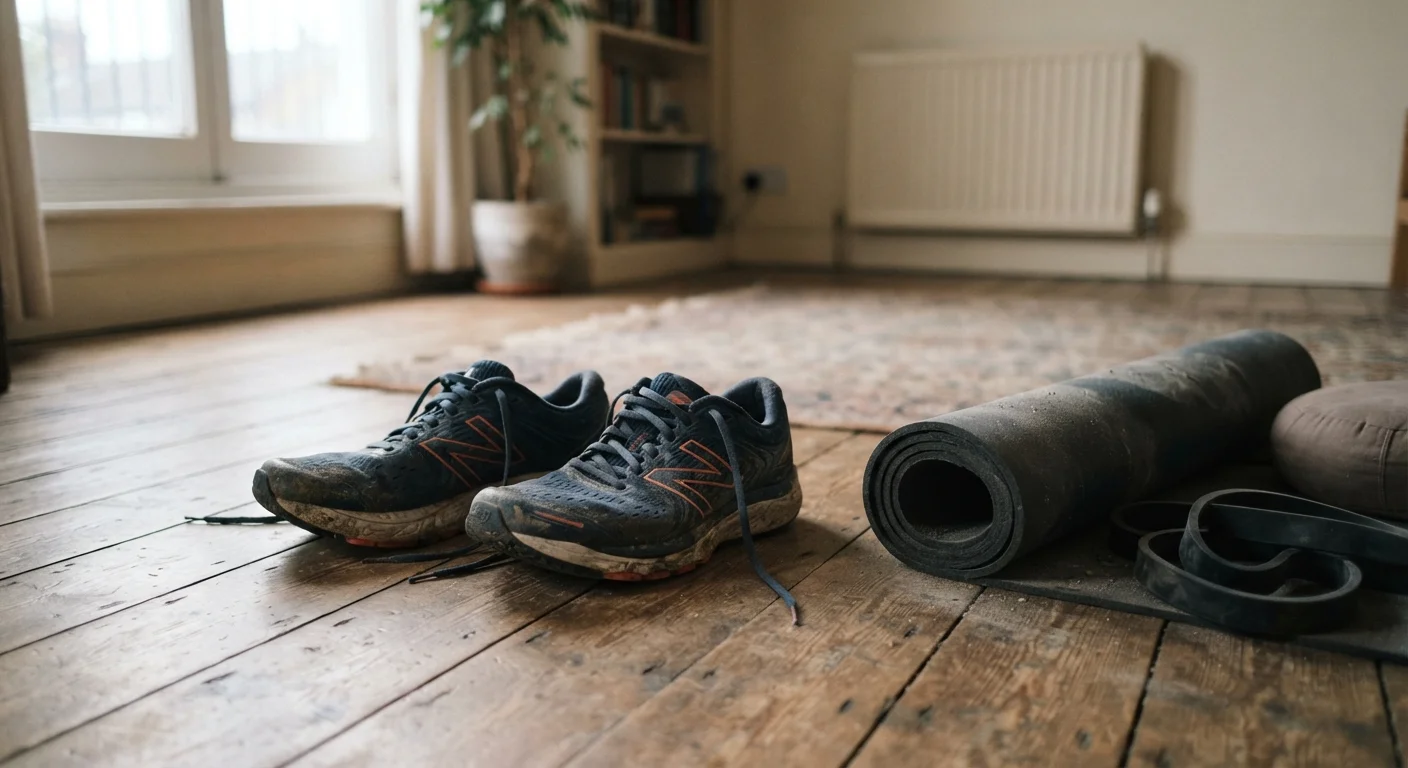
Before ramping up physical activity, a few honest self-checks can prevent early setbacks. Use this checklist to assess readiness and set a smarter starting point.
Key Takeaways
Knowing your current health status is the most important first step before increasing physical activity.
Certain medical conditions and symptoms require clearance from a healthcare provider before exercise begins.
Setting realistic, specific goals and scheduling workouts in advance dramatically improves follow-through.
Understanding your baseline fitness level helps you choose an appropriate starting intensity.
Addressing recovery, sleep, and stress before starting reduces dropout risk significantly.
Why a Self-Assessment Matters Before You Begin
Starting a new exercise program with enthusiasm is easy. Sustaining it - and avoiding early injury or burnout - takes a clearer-eyed approach. Research consistently shows that people who enter a new fitness routine without realistic expectations or an honest appraisal of where they're starting from are more likely to quit within the first few weeks. Understanding why fitness routines fall apart can help you design one that actually holds.
This checklist is not a medical screening tool. It is a structured set of honest questions and practical steps to help you identify your true starting point, flag any concerns worth discussing with a healthcare professional, and set conditions that make consistent exercise genuinely achievable. Work through each item before your first session, not after.
Medical Clearance Is Not Optional for Everyone
The Physical Activity Readiness Questionnaire (PAR-Q), widely used by fitness professionals, identifies conditions that require a doctor's sign-off before beginning vigorous exercise. If you answered yes to any health status items in the section below - or are simply unsure - schedule a conversation with your healthcare provider first. Starting without clearance when it's warranted is a risk not worth taking.
What You'll Need to Work Through This Checklist
Most items here require only honesty and a few minutes of reflection. A small number benefit from simple tools you may already have at home.
Required
Notebook or digital notes app
Record your answers, goals, and observations from each checklist section for future reference.
Optional
Watch or phone timer
Used to time your resting heart rate count and track current activity durations.
Optional
Scale or tape measure
Optional baseline body measurement reference - useful only if tracking physical change is part of your stated goal.
Required
Healthcare provider contact
Required if any health status items flag a need for medical clearance before beginning.
The Self-Assessment Checklist
Work through each group in order. Items marked must are non-negotiable starting points. Should items are strongly recommended for anyone committed to a durable routine. Nice-to-have items add precision and depth if you have the time and interest.
Health Status & Medical Clearance
Review whether you have any diagnosed cardiovascular, metabolic, or musculoskeletal conditions that your doctor has flagged as relevant to physical activity.Must
Speak with your healthcare provider before starting if you experience chest pain, dizziness, shortness of breath at rest, or joint pain during normal daily activity.Must
Check whether any current medications affect heart rate response, hydration needs, or exertion tolerance - ask your pharmacist or prescribing provider.Must
Note any recent surgeries, injuries, or acute illnesses in the past three months that may require modified movement or additional recovery time.Must
If you are pregnant, postpartum, over 65, or managing a chronic condition, seek explicit guidance from a qualified professional before selecting a program type or intensity.Must
Baseline Fitness & Activity Level
Honestly estimate your current weekly movement: how many days per week are you active for 20 or more continuous minutes at a moderate effort?Must
Identify any activities you already do consistently - walking, cycling, swimming - as these indicate existing cardiovascular conditioning you can build on.Should
Assess your current functional strength by noting whether everyday tasks - carrying groceries, climbing stairs, rising from the floor - feel easy, moderate, or difficult.Should
Record your resting heart rate over three consecutive mornings before getting out of bed to establish a personal baseline.Nice to have
Goal Clarity & Motivation
Write down one primary goal for this program using specific, measurable language - not "get fit" but "walk 30 minutes without stopping, three times a week."Must
Identify your honest motivation: is this goal internally driven (how you feel, your energy, long-term health) or primarily external (appearance, social pressure)?Should
Set a realistic timeframe and note what a meaningful but achievable milestone looks like at four weeks, not just at the end.Should
Review your schedule and block at least three specific time slots per week for exercise before you begin - treat them as fixed appointments.Must
Recovery, Sleep & Stress
Assess your average nightly sleep: consistently getting fewer than seven hours reduces recovery capacity and increases injury risk during a new program.Must
Rate your current overall stress level honestly; beginning a demanding new program during a period of high life stress significantly raises dropout risk.Should
Identify at least one recovery practice you'll use between sessions - adequate sleep, gentle movement, or deliberate rest - and plan it alongside your workouts.Should
Consider whether your emotional readiness for a new routine is solid; a monthly mental wellness check-in can help you spot patterns that affect consistency.Nice to have
Practical Readiness
Confirm you have footwear appropriate for your chosen activity - worn-out or unsupportive shoes are a leading cause of preventable early injuries.Must
Identify where you'll work out and confirm that environment is consistently accessible - a plan that depends on conditions that change frequently tends to unravel quickly.Should
Once you've worked through these checks, you'll have a clearer picture of your readiness - and a more honest foundation to build from. From there, consider how you'll prepare your body for each session: what the science says about warming up is worth reading before your first workout.
Don't Use This Checklist as a Medical Screening
This self-assessment is designed to support informed decision-making, not to replace professional evaluation. If any item in the health status group raises a concern, treat that as a clear signal to speak with a qualified healthcare provider before beginning - not after your first week of training. When in doubt, err on the side of getting a professional opinion.
This article is for general informational and educational purposes only. It is not medical advice, a diagnostic tool, or a substitute for consultation with a qualified healthcare professional. If you have existing health conditions, symptoms, or any concerns about starting exercise, please speak with your doctor or a licensed healthcare provider before beginning a new physical activity program.
Health & Wellness Editorial Team is the collective byline for our editorial team and contributor network. Articles published under this byline or an editorial pen name are researched, written, and reviewed according to our editorial standards for clarity, consistency, and independence before publication.
The content provided on our blog site traverses numerous categories, offering readers valuable and practical information. Readers can use the editorial team’s research and data to gain more insights into their topics of interest. However, they are requested not to treat the articles as conclusive. The website team cannot be held responsible for differences in data or inaccuracies found across other platforms. Please also note that the site might also miss out on various schemes and offers available that the readers may find more beneficial than the ones we cover.