What Compound Interest Actually Means
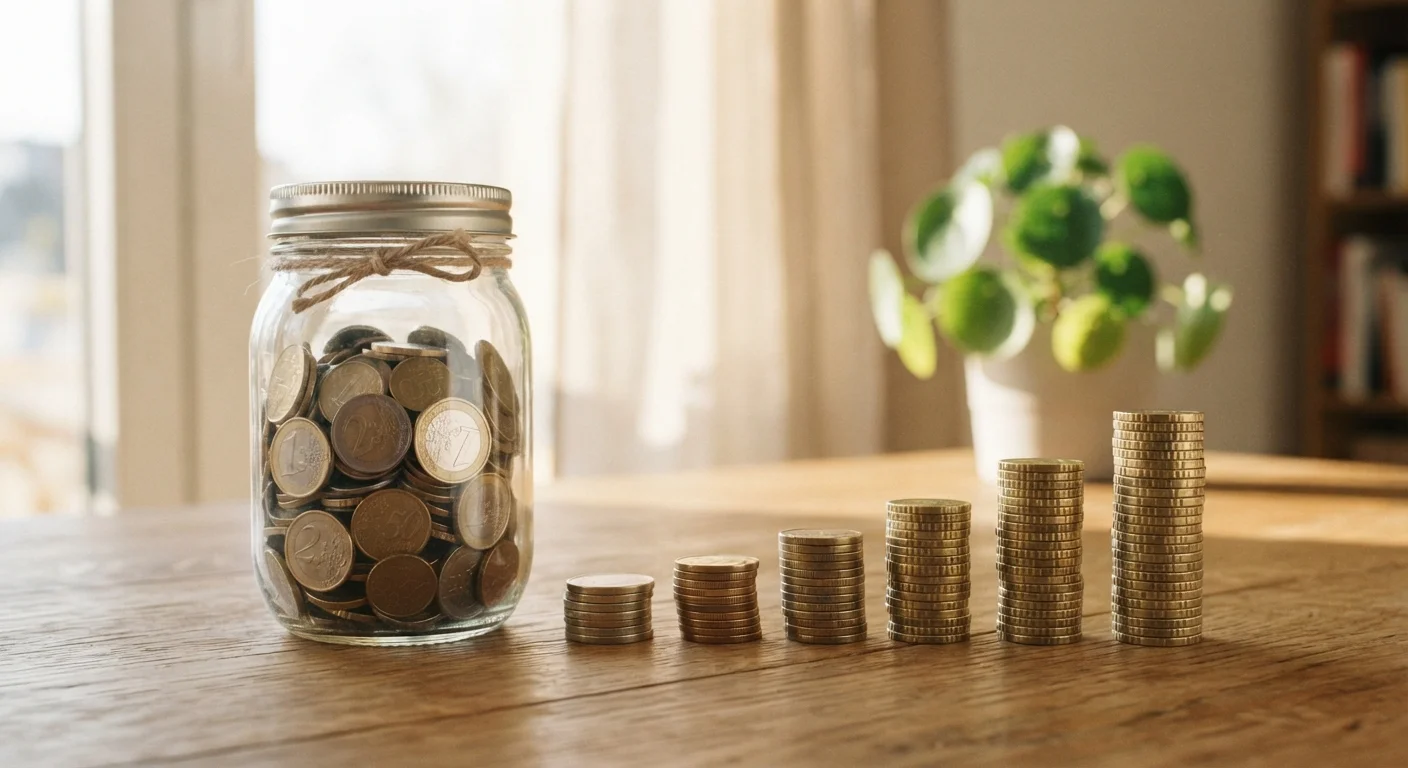
Think of compound interest as earning a return on your returns. When you deposit money into a savings account, you earn interest on your balance. The next period, the bank calculates interest on your new balance - which now includes what you earned last time. That extra layer of growth, added repeatedly, is compounding.
A simple example: if you deposit $1,000 and earn 5% interest annually, after one year you have $1,050. In year two, you earn 5% on $1,050 - not the original $1,000 - giving you $1,102.50. That extra $2.50 may seem trivial, but extend this over 20 or 30 years and the accumulated difference becomes significant.
For a broader grounding in everyday financial language, the personal finance terms every budgeter should know is a useful companion reference.
10x+
Potential growth over 30 years at 8% compounded annually
A frequently cited illustration used in financial education to show how a single lump sum can multiply over a long compounding horizon at historical average market return rates.
Daily
Most common compounding frequency for US savings accounts
Many US banks and credit unions compound interest daily and credit it monthly, making APY a more accurate comparison metric than the stated APR.
10 years
Difference in start time that dramatically changes retirement outcomes
Financial planners widely note that beginning contributions a decade earlier - even with smaller amounts - typically results in materially larger balances at retirement due to compounding.
Why Time Is the Most Important Variable
The central insight of compound interest is that time matters more than the initial amount. Two people saving the same monthly sum but starting a decade apart will end up with dramatically different balances - not because of effort or discipline, but because of how long their money has to multiply.
This is why financial educators consistently emphasize starting early. Even modest, consistent contributions made in your 20s tend to outperform larger contributions started in your 30s or 40s, assuming similar rates of return. The math doesn't punish late starters, but it generously rewards early ones.
Start Small, But Start Now
You don't need a large lump sum to benefit from compound interest. Even modest, consistent contributions - say, $25 or $50 a month - begin building a compounding base immediately. The earlier you start, the more time each dollar has to multiply, so delaying while you wait for a 'better time' tends to cost more than you might expect.
Compounding also explains why investment accounts that reinvest dividends rather than distributing them as cash tend to grow faster. Each reinvested dividend becomes principal that earns its own future returns - the same snowball principle at work.
To expand your vocabulary around investment vehicles that use this principle, see our guide to key investing terms.
How Compounding Works Against You in Debt
The same mechanism that grows your savings can erode your financial position when it applies to debt. Credit card balances, personal loans, and auto loans all involve interest - and if you carry a balance, unpaid interest gets added to your principal, and then you're charged interest on that larger amount.
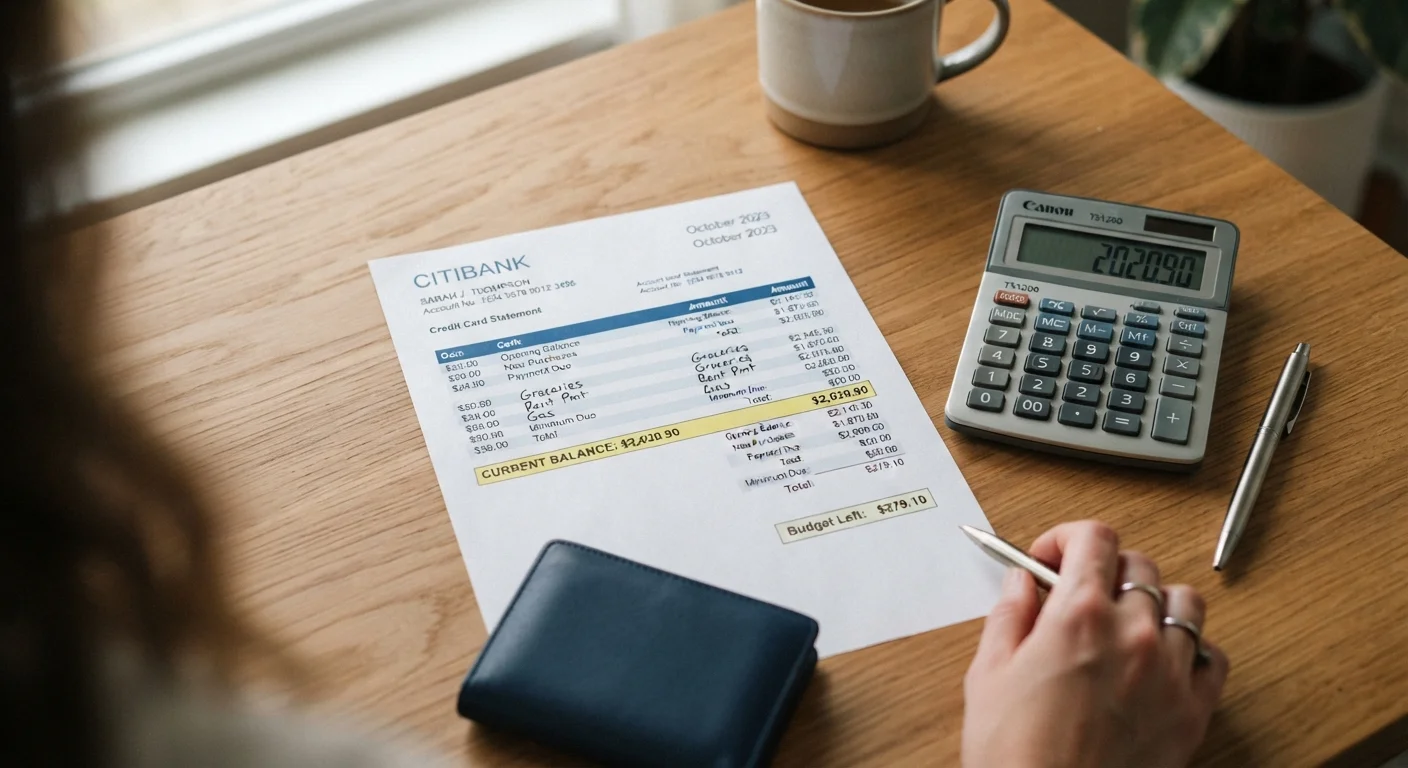
This is especially pronounced with revolving debt like credit cards, where minimum payments may barely cover the monthly interest charge, leaving the principal largely intact. Over months and years, what started as a manageable balance can grow substantially. For a concrete look at how this plays out, see the real cost of carrying a credit card balance.
Understanding how compounding applies to borrowing is also valuable when evaluating auto financing. Auto financing basics explains how interest calculations factor into a car loan's total cost - a practical application of everything covered here. The Credit & Debt hub is a good starting point for understanding how interest affects different types of borrowing.
Compounding Frequency Varies by Product
Not all financial products compound at the same rate. Savings accounts often compound daily, while some bonds and CDs may compound monthly or semi-annually. When comparing options, always look at the APY rather than the base rate, as APY already accounts for compounding frequency and gives you a true apples-to-apples comparison.
Practical Ways to Let Compounding Work for You
You don't need a sophisticated investment strategy to benefit from compounding. A few straightforward habits make a meaningful difference:
- Automate contributions. Regular, automatic transfers to a savings or retirement account ensure consistency - the key input for compounding to do its job.
- Reinvest earnings. Where possible, allow interest and dividends to stay in your account rather than withdrawing them. Every dollar left in continues to compound.
- Pay down high-interest debt first. Eliminating debt with high compounding costs frees up more money to grow on your behalf.
- Compare APY, not just APR. When evaluating savings accounts, the Annual Percentage Yield reflects actual compounding effects and is the more meaningful figure.
None of these steps require large sums of money or advanced financial knowledge. What they require is consistency and time - both of which are within most people's reach.
This article is for general informational and educational purposes only and does not constitute personalized financial or investment advice. Consult a qualified financial professional before making decisions about your own savings, investments, or debt.