
How Zero-Based Budgeting Works
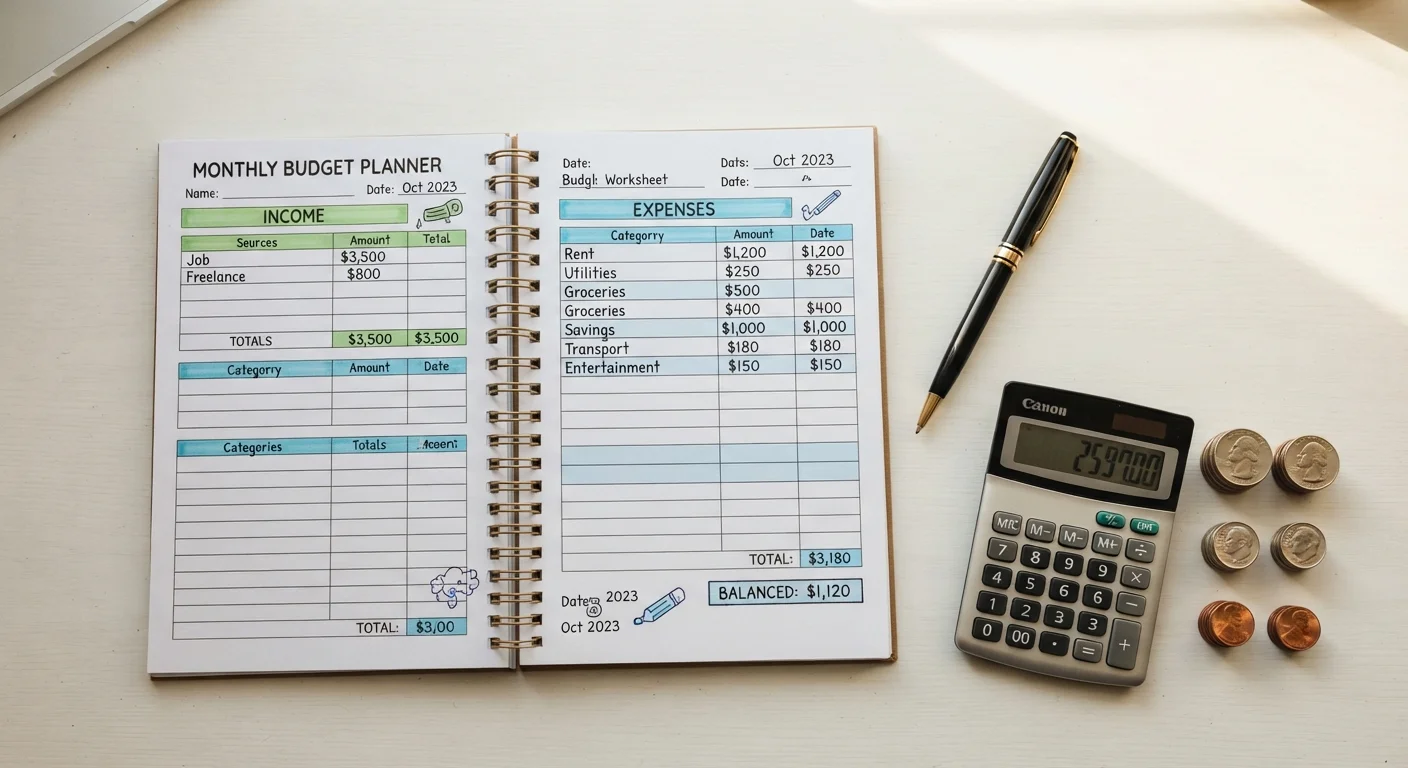
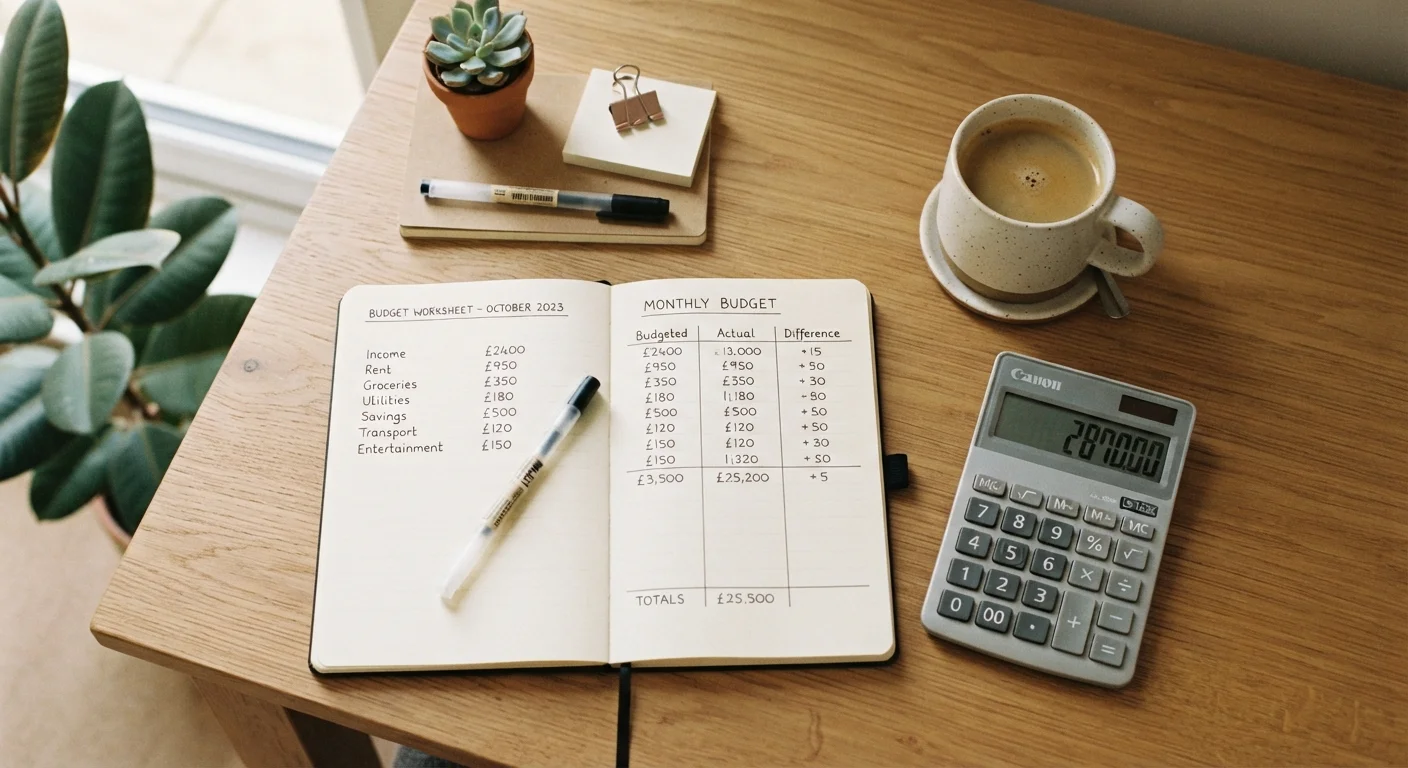
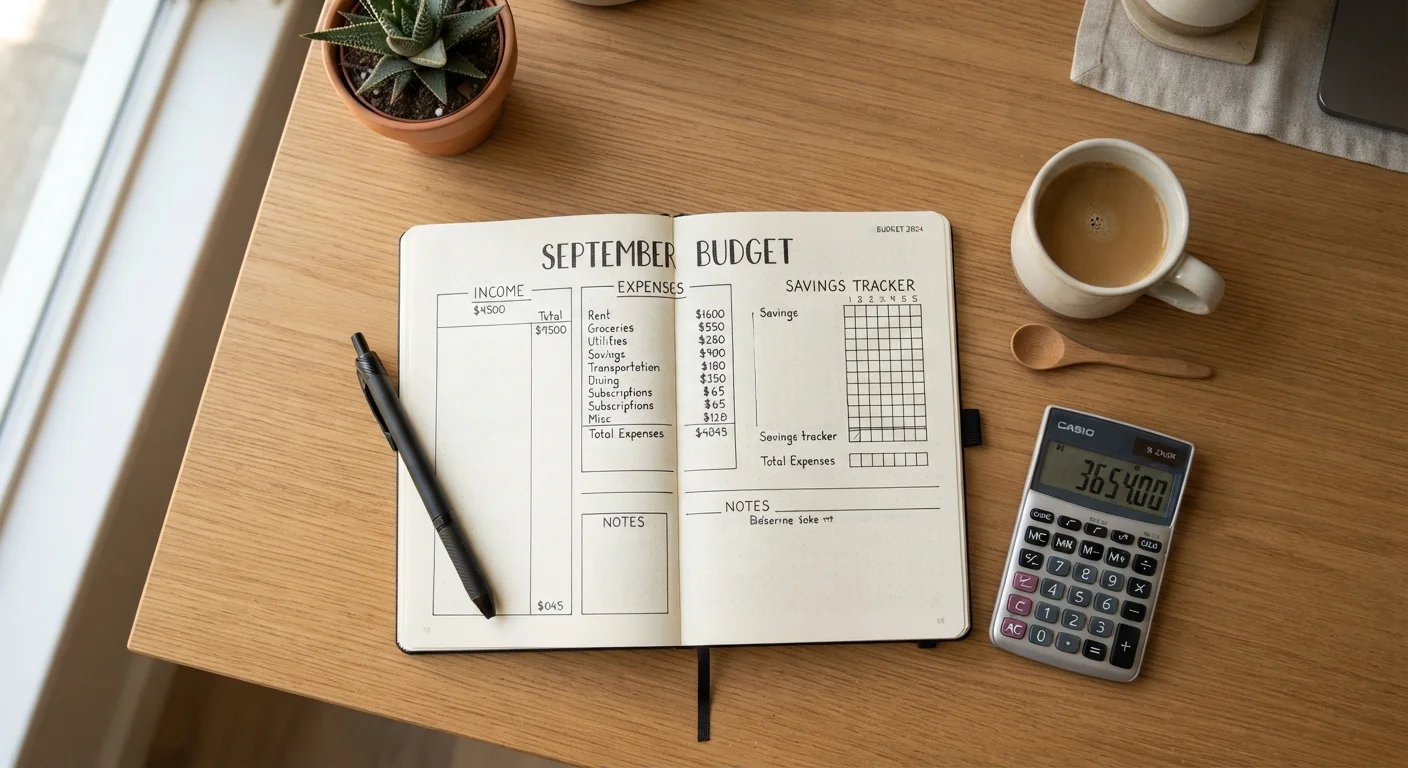
The core mechanic is straightforward: start with your total monthly take-home income and subtract every planned expense, savings contribution, and debt payment until the remaining balance reaches exactly zero. You're not hoping money ends up in the right places - you're deciding in advance where each dollar goes.
Here's a simplified example. If your take-home pay is $4,200 a month, you'd list every category - rent, groceries, utilities, transportation, emergency fund, retirement contribution, streaming subscriptions, dining out - and assign dollar amounts until all $4,200 is spoken for. If the math doesn't reach zero, you either find a new category for the leftover (such as adding to savings) or trim categories that are over-allocated.
The process repeats each month. Because expenses shift - a car registration fee in March, higher heating costs in January - ZBB requires you to rebuild or meaningfully review your budget at the start of every period rather than rolling over the same numbers automatically.
Build a Small Buffer Into Your Zero
Rather than budgeting down to the last dollar, many practitioners assign a small 'miscellaneous' or 'buffer' category - typically $50-$100 - to absorb minor unplanned costs. This prevents a single forgotten expense from derailing the whole plan, while still maintaining the intentionality that makes ZBB effective.
How It Differs from Traditional Budgeting
Most traditional budgeting approaches are retrospective: you look at last month's spending, note where money went, and try to do a little better next time. Zero-based budgeting flips this entirely. Every new month starts from scratch, with no category receiving an automatic allocation simply because it existed before.
This distinction matters more than it might seem. In a conventional approach, discretionary spending - restaurants, entertainment, subscriptions - often gets a pass because it was already a habit. In ZBB, every category must earn its place each month. That built-in friction tends to surface spending that's become invisible over time.
~33%
US adults with a detailed household budget
A Gallup survey found roughly one-third of American adults report maintaining a detailed monthly budget, suggesting most households operate without a formal spending plan.
$1,000+
Average monthly untracked discretionary spending
Research from the U.S. Bureau of Labor Statistics Consumer Expenditure Survey indicates that discretionary categories frequently account for a substantial share of household outflows that go unexamined month to month.
ZBB also treats savings and debt repayment as explicit, named line items rather than whatever remains after expenses. This structural choice is what personal finance educators often mean when they say to "pay yourself first" - except ZBB formalizes the idea across all financial goals simultaneously. For a broader look at how budgeting approaches stack up, the Budgeting Methods Compared guide offers a useful side-by-side view.
Who Zero-Based Budgeting Suits Best
ZBB tends to work well for people who want granular visibility into their money, are working toward a specific financial goal (eliminating debt, building an emergency fund, saving for a major purchase), or feel that money routinely disappears without a clear explanation.
It's also particularly useful for households with predictable, stable monthly income - salaried employees being the clearest example. The upfront time investment and monthly rebuild are more manageable when income doesn't vary widely from one period to the next.
By contrast, people with highly variable freelance or gig income, those managing multiple income streams with irregular timing, or those who find detailed tracking deeply discouraging may find a simpler framework less friction-filled. That doesn't make ZBB wrong for those situations - it just means the setup requires additional steps. The Budgeting Fundamentals guide covers how to approach income mapping regardless of method.
Getting Started and Sticking With It
Building your first zero-based budget typically involves four steps: tallying your monthly after-tax income, listing every spending category you can anticipate, assigning a dollar amount to each, and adjusting until the balance reaches zero. If you've never built a monthly budget before, the Your First Monthly Budget in Seven Steps guide provides a practical walkthrough.
Consistency is where most people struggle. The monthly reset can feel burdensome, especially when life is busy. Many ZBB practitioners find it helpful to schedule a fixed "budget date" - 20-30 minutes at the end of each month to prepare the next one. Treating it like a recurring appointment reduces the mental effort of deciding when to do it.
It's also worth recognizing that the first two or three months are a calibration period. Estimates will be off; unexpected expenses will appear. That's expected, not a failure. Each month's adjustments make the next one more accurate. Over time, ZBB builds a detailed, personalized picture of how your money actually flows - knowledge that supports better financial decisions regardless of what method you ultimately use.
This article is for general informational and educational purposes only and does not constitute personalized financial advice. Consider consulting a licensed financial professional for guidance specific to your circumstances.