
Why Category Accuracy Is the Foundation of a Working Budget
A budget is only as useful as the data behind it. If your spending categories are mislabeled, you might believe you're underspending on food while quietly overspending on entertainment - and never connect the two. Accurate categorization tells you where money is actually going, not where you assume it's going.
This matters for more than bookkeeping. Miscoded expenses skew every calculation downstream: weekly spending averages, month-over-month comparisons, and savings targets. Budgeting apps and spreadsheet templates often apply default categories automatically, which sounds convenient until you realize those defaults don't reflect your life. A charge at a warehouse club might be split between groceries, household supplies, and clothing - but it lands as a single line in "Shopping."
Understanding which categories are most commonly miscoded - and why - helps you build a cleaner financial picture. See also how fixed and variable expenses behave differently, since miscoding often blurs that critical distinction too.
The Real Cost of Getting Categories Wrong
When spending sits in the wrong bucket, the effects multiply quietly. A recurring software subscription filed under "Entertainment" instead of "Business" can make your leisure spending look inflated while hiding legitimate work costs. Over a year, that single error creates a false narrative in every report you generate.
1 in 3
Adults who track spending but miscode categories regularly
Research from financial literacy organizations consistently shows a significant share of budgeters rely on default app categories without reviewing individual transactions.
$150-$300
Typical monthly distortion from miscoded expenses
Financial counselors commonly report that clients who audit their categories discover this range of mislabeled spending, enough to shift savings projections materially.
Miscoding also interferes with behavioral insight - the whole point of tracking expenses in the first place. If restaurant delivery consistently gets lumped into "Groceries," you'll underestimate how much convenience food actually costs and overestimate your food preparation success. That false confidence can derail an otherwise solid budget plan.
These errors are rarely intentional. They usually stem from vague category names, auto-import errors from bank feeds, or simply not having a written definition for each bucket. Common budgeting myths often include the idea that any tracking is good enough - but inaccurate tracking creates misleading habits.
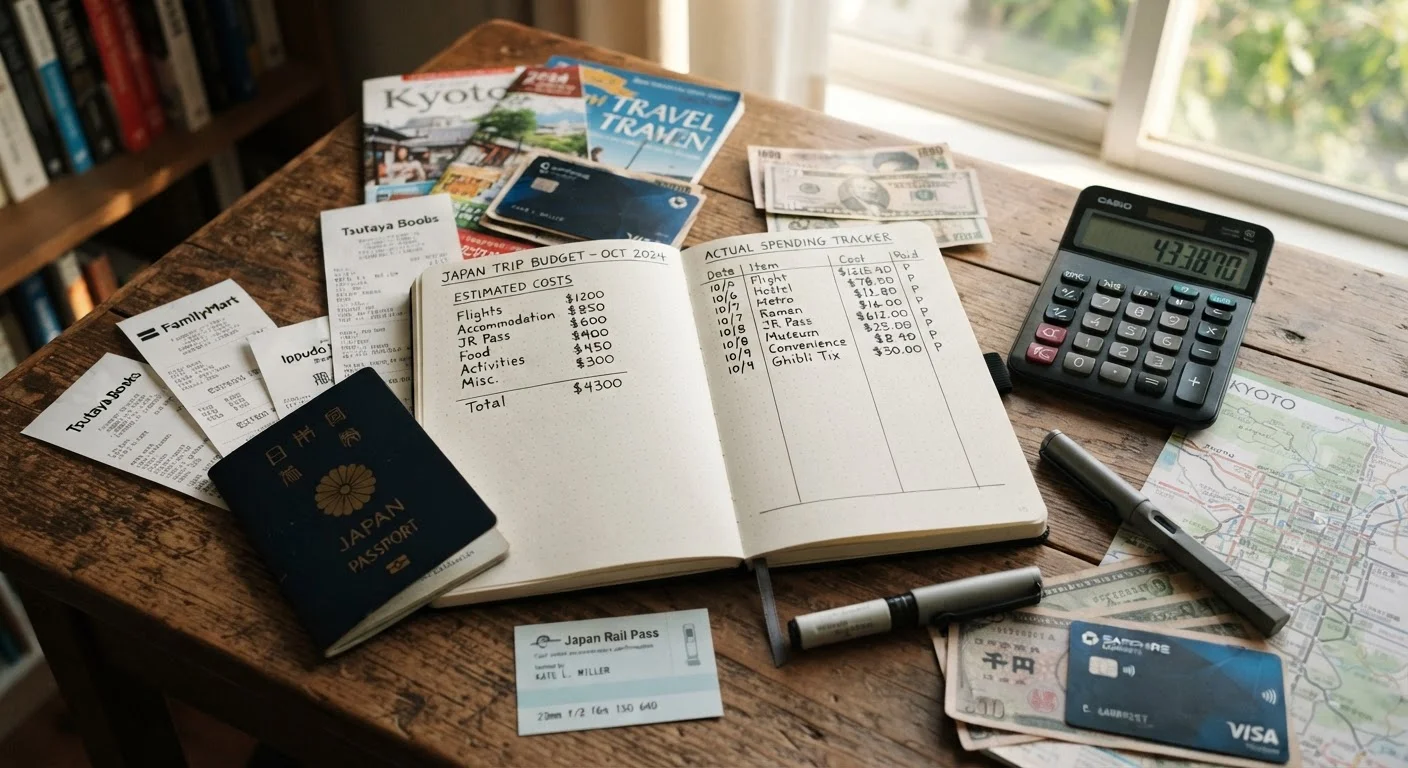
Travel spending is another frequent offender. Flights booked on a credit card rewards portal may import as "Travel," but hotel costs charged to a hotel's own app might show up as "Shopping." If you're planning a trip, see where travel budgets break down for a closer look at how this plays out in practice. Hidden recurring costs are a related problem - explore hidden costs that wreck monthly budgets for more on surfacing overlooked charges.
Vague Category Names Create Hidden Blind Spots
Categories like "Miscellaneous" or "Other" are where budget accuracy goes to die. When transactions land here by default, they become invisible to analysis. If a category can't be defined in one sentence, it probably needs to be broken into two. Review your Miscellaneous bucket monthly and reclassify everything you can.
This article is for general informational and educational purposes only. It does not constitute personalized financial advice. Consider consulting a licensed financial professional for guidance specific to your situation.